10 Traditional German Dinner Recipes You Need to Try In 2026
German cuisine is hearty, flavorful, and comforting, featuring rich meats, potatoes, and robust flavors. These 10 traditional German dinner recipes are perfect for family meals, festive gatherings, or a cozy weeknight dinner.
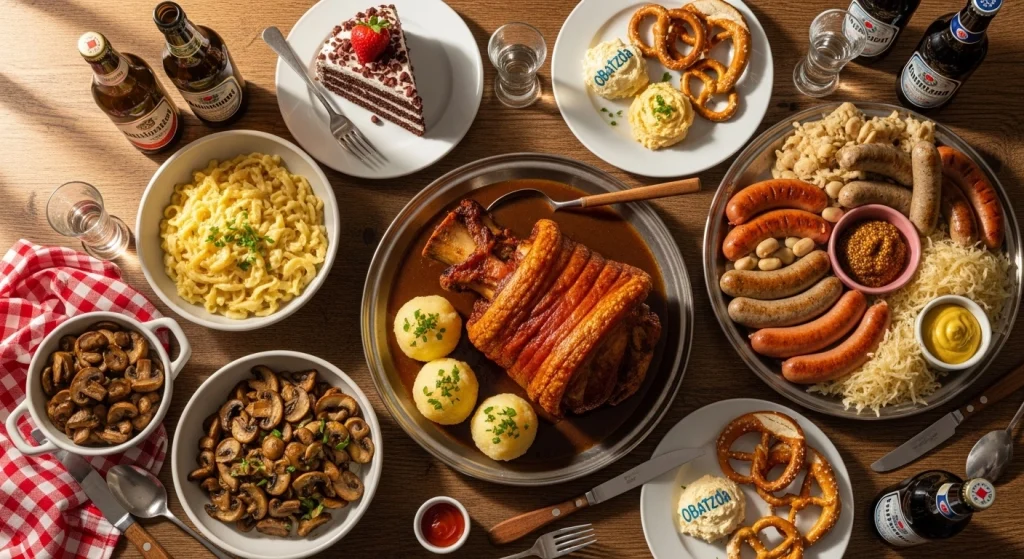
Why German Dinner Recipes Are Special
German meals are known for:
- Hearty proteins like pork, beef, and sausages
- Potatoes, cabbage, and bread-based sides
- Strong, rich flavors from mustard, herbs, and spices
- Comforting stews, roasts, and dumplings
These recipes are filling, satisfying, and showcase classic German culinary traditions.
See Also: Portuguese Dinner Recipes
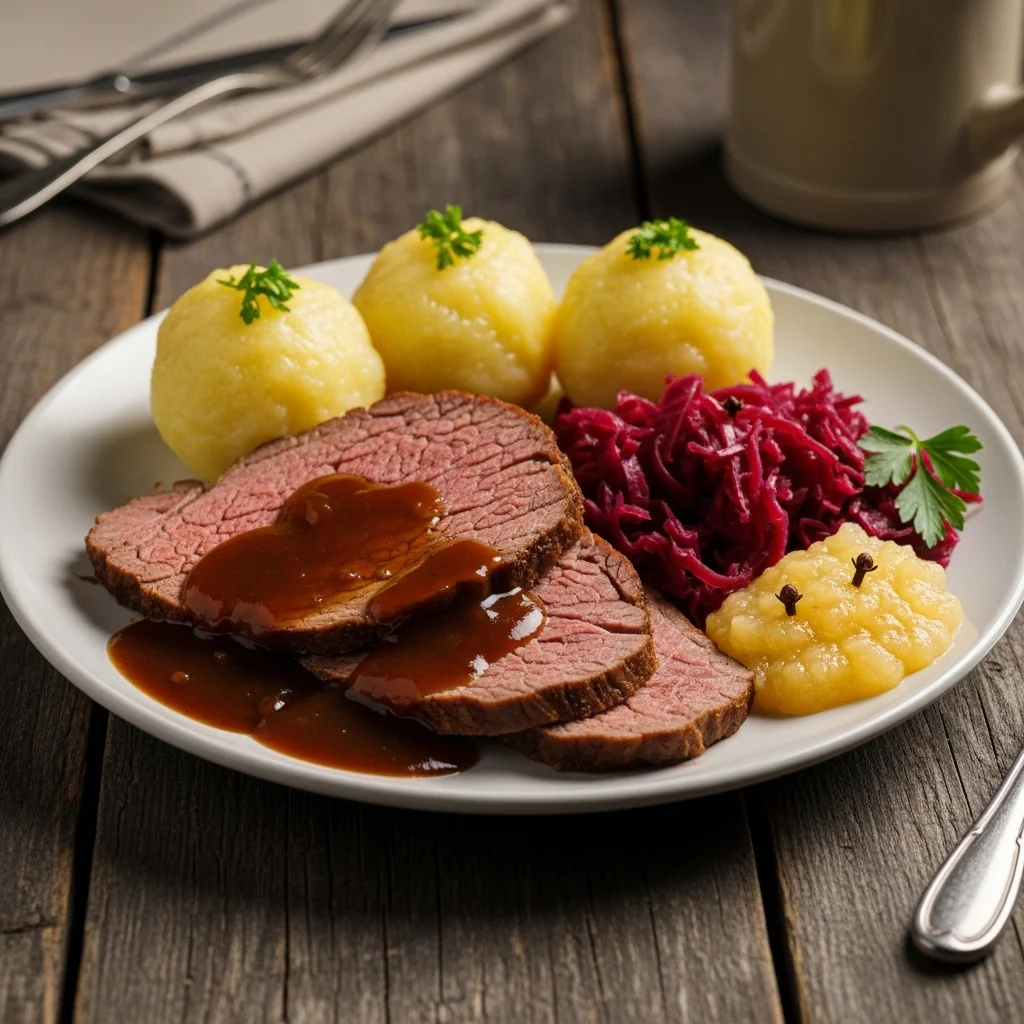
Sauerbraten (German Pot Roast)
Germany’s national dish is a testament to patience and technique. This sweet-and-sour pot roast transforms tough cuts into fork-tender perfection through days of marinating and slow braising. The complex marinade creates layers of flavor that penetrate deep into the meat.
Ingredients:
- 1.5 kg beef roast (bottom round or rump roast)
- 2 cups red wine vinegar
- 1 cup red wine
- 2 large onions, sliced
- 2 bay leaves
- 6 whole cloves
- 1 tsp juniper berries (optional but traditional)
- 1 piece fresh ginger (2 inches)
- 2 tbsp sugar
- Salt and black pepper
- 2 tbsp vegetable oil
- 2 tbsp flour
- Gingersnap cookies for thickening (traditional)
Method:
Create the marinade: Combine vinegar, wine, onions, bay leaves, cloves, juniper berries, ginger, and sugar in a large bowl. The acid will tenderize the meat while the spices infuse flavor.
Marinate thoroughly: Submerge beef completely in marinade. Cover and refrigerate 2-3 days, turning daily. The longer marination creates deeper flavor penetration.
Prepare for cooking: Remove beef and pat dry. Strain marinade, reserving liquid and vegetables separately. Season beef with salt and pepper.
Sear for flavor: Heat oil in a heavy Dutch oven. Brown beef on all sides to develop rich color and flavor – about 12-15 minutes total.
Braise slowly: Add reserved vegetables and 2 cups of strained marinade. Cover and simmer 2.5-3 hours until fork-tender.
Create the sauce: Remove beef and strain cooking liquid. Return liquid to pot, whisk in flour, and add crushed gingersnaps to thicken. The cookies add traditional sweetness and body.
Pro Tips:
The marinade should be tangy but balanced adjust sugar if too acidic. Slice against the grain for maximum tenderness.
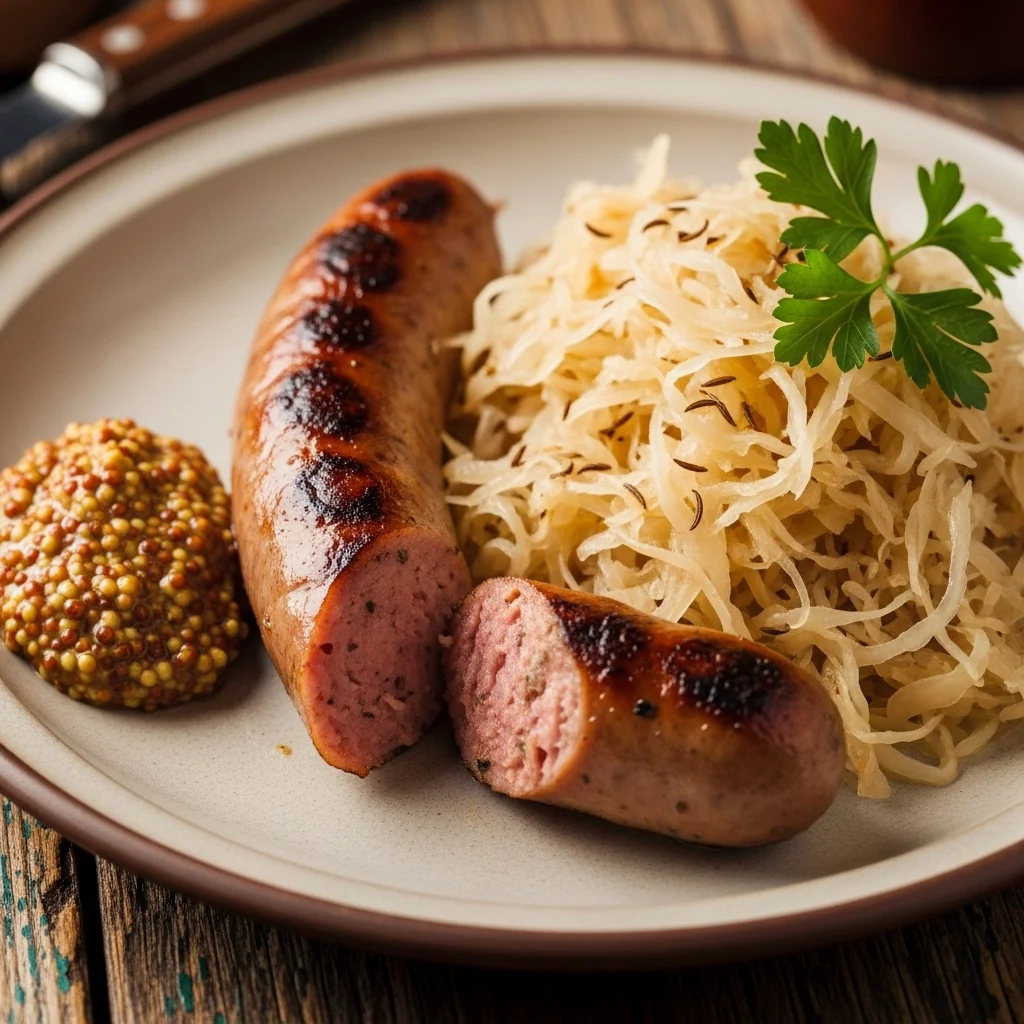
Bratwurst with Sauerkraut
This classic German combination showcases the country’s mastery of preserved foods and sausage-making. The key is achieving the perfect balance between smoky grilled sausage and tangy, properly prepared sauerkraut.
Ingredients:
- 6-8 fresh bratwurst sausages
- 500g sauerkraut, drained
- 2 tbsp butter
- 1 medium onion, sliced
- 1 tsp caraway seeds
- 1/2 cup white wine or beer
- German mustard for serving
- Crusty rolls
Method:
Prep the sausages: Pierce bratwurst lightly with a fork to prevent bursting. Don’t over-pierce – you want to retain juices.
Grill properly: Preheat grill to medium heat. Cook bratwurst 12-15 minutes, turning every 3-4 minutes for even browning. They should be golden brown and cooked through (160°F internal temp).
Prepare sauerkraut: While sausages cook, melt butter in a large skillet. Sauté onions until translucent, about 5 minutes.
Build flavor: Add drained sauerkraut, caraway seeds, and wine. Simmer 10-15 minutes, stirring occasionally. The wine adds depth and reduces the sauerkraut’s sharpness.
Serve traditionally: Place sausages over warm sauerkraut. Serve with crusty rolls and a variety of German mustards.
Pro Tips:
Don’t boil bratwurst before grilling – it removes flavor. If sauerkraut is too sour, rinse briefly before cooking. Caraway seeds are essential for authentic flavor.
Rinderroulade (Beef Roulade)
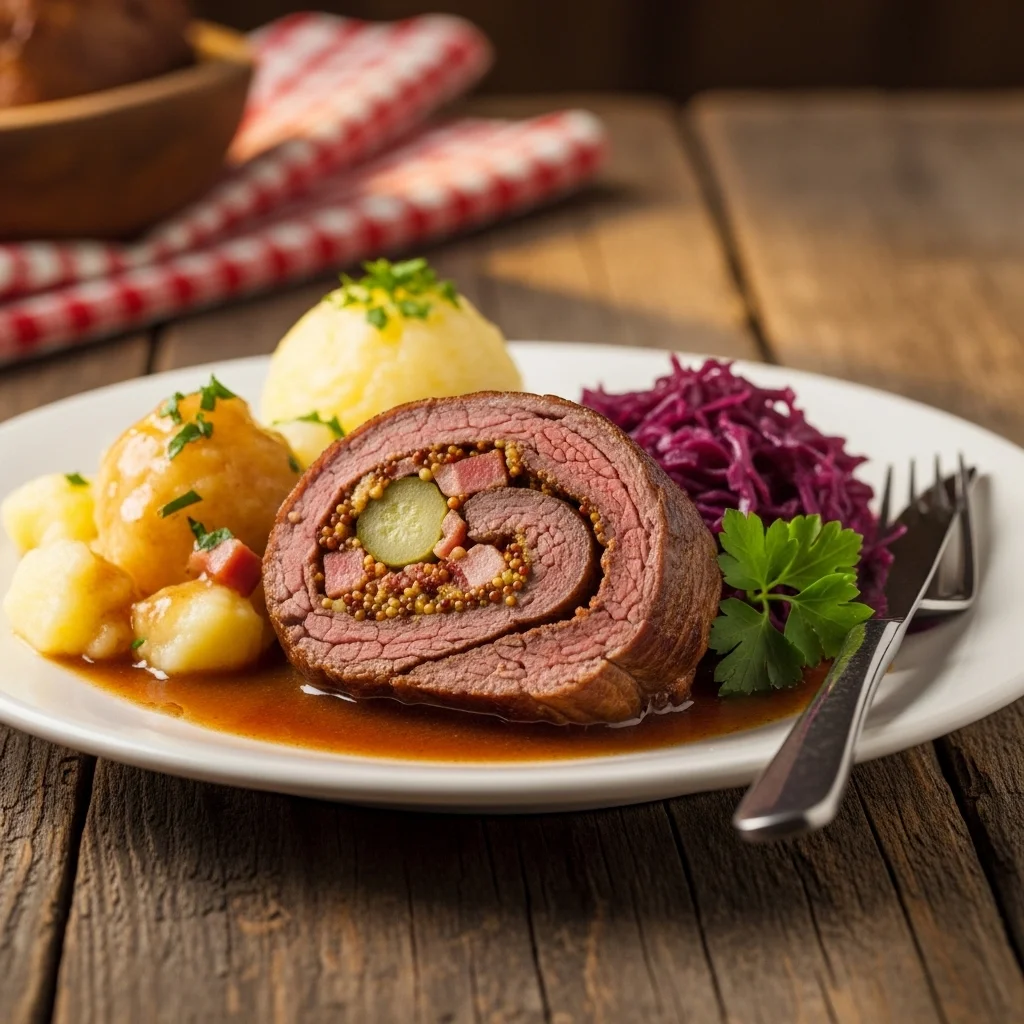
These elegant beef rolls are Sunday dinner perfection in German households. The technique of rolling thin beef with savory fillings creates beautiful presentation and complex flavors in every slice.
Ingredients:
- 6 thin beef slices (top round, pounded to 1/4 inch)
- 6 strips bacon
- 2 large onions, diced
- 6 dill pickle spears
- German mustard
- Kitchen twine
- 2 tbsp vegetable oil
- 2 cups beef broth
- 2 tbsp flour
- Salt and pepper
Method:
Prepare the beef: Pound beef slices evenly to tenderize. Season with salt and pepper, then spread thin layer of mustard on each slice.
Create the filling: Place a strip of bacon, some diced onion, and a pickle spear at one end of each beef slice. The pickles add traditional tangy contrast.
Roll and secure: Roll beef tightly around filling and tie with kitchen twine at both ends and middle. This prevents unrolling during cooking.
Brown for flavor: Heat oil in Dutch oven and brown roulades on all sides, about 8-10 minutes total. This creates rich color and flavor base.
Braise gently: Add beef broth, cover, and simmer 1.5-2 hours until beef is fork-tender. Turn roulades halfway through cooking.
Make gravy: Remove roulades and strain cooking liquid. Whisk flour with cold water and stir into liquid to thicken into rich gravy.
Pro Tips:
Don’t overfill the roulades or they’ll burst. Remove twine before serving and slice to show the beautiful spiral pattern. Serve with mashed potatoes and red cabbage.
Kartoffelsalat (German Potato Salad)
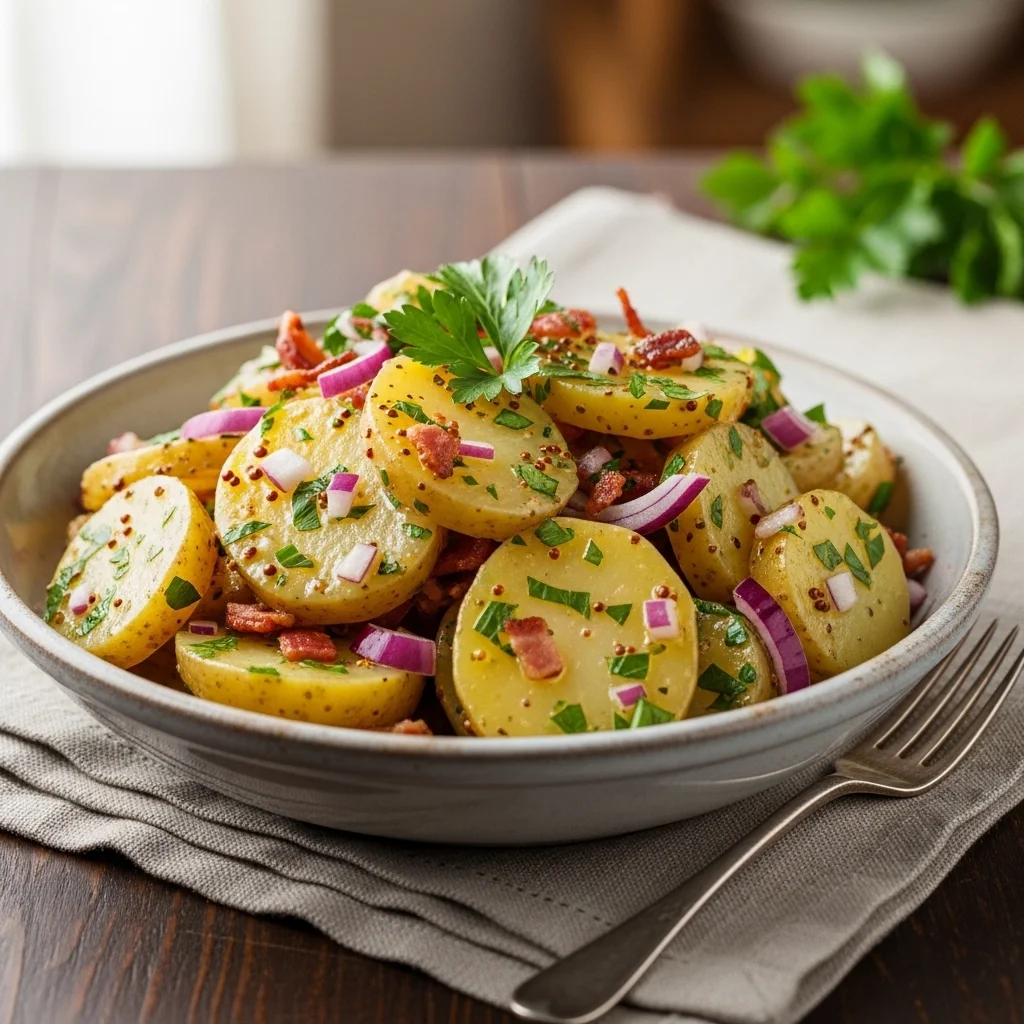
Unlike American potato salad, German kartoffelsalat is served warm and dressed with vinegar rather than mayonnaise. The key is using the right potatoes and dressing them while warm for maximum flavor absorption.
Ingredients:
- 1 kg waxy potatoes (Yukon Gold or fingerlings)
- 6 strips bacon, diced
- 1 large onion, finely diced
- 1/3 cup white wine vinegar
- 1/4 cup warm beef broth
- 2 tbsp Dijon mustard
- 2 tbsp vegetable oil
- Fresh chives, chopped
- Salt and white pepper
Method:
Cook potatoes properly: Boil unpeeled potatoes until just tender, about 20-25 minutes. Don’t overcook – they should hold their shape when sliced.
Prepare while warm: Peel and slice potatoes while still warm. Warm potatoes absorb dressing better than cold ones.
Render the bacon: Cook diced bacon until crispy. Remove bacon but keep the fat – it adds essential flavor to the dressing.
Build the dressing: In the same pan, sauté onions in bacon fat until translucent. Add vinegar, warm broth, mustard, and oil. Whisk to combine.
Dress immediately: Pour warm dressing over warm potatoes. Add crispy bacon and toss gently. The potatoes will absorb the flavors as they cool slightly.
Finish and serve: Garnish with fresh chives. Serve warm or at room temperature – never cold.
Pro Tips:
Waxy potatoes are essential – they hold their shape and have the right texture. The salad improves as it sits, so make it 30 minutes before serving.
Schnitzel (Breaded Pork or Veal Cutlet)
The perfect schnitzel is a study in technique – paper-thin meat, crispy golden coating, and proper frying method. When done correctly, the coating should puff slightly and remain separate from the meat.
Ingredients:
- 4 pork or veal cutlets (6 oz each)
- 1 cup all-purpose flour
- 3 eggs, beaten
- 2 cups fine breadcrumbs
- Vegetable oil for frying
- Salt and white pepper
- Lemon wedges for serving
- Fresh parsley for garnish
Method:
Pound the meat: Place cutlets between plastic wrap and pound to 1/4 inch thickness. Even thickness ensures uniform cooking.
Set up the breading station: Three shallow dishes – flour seasoned with salt and pepper, beaten eggs, and breadcrumbs. This assembly line approach prevents messy hands.
Bread systematically: Dredge each cutlet in flour, dip in egg (letting excess drip off), then coat thoroughly in breadcrumbs. Press gently to adhere.
Rest the coating: Let breaded cutlets rest for 10 minutes. This helps the coating stick during frying.
Fry to perfection: Heat 1/2 inch oil to 350°F. Fry schnitzels 2-3 minutes per side until golden brown. The coating should puff slightly and be crispy.
Drain and serve: Drain briefly on paper towels. Serve immediately with lemon wedges and parsley.
Pro Tips:
Don’t press down while frying – this compacts the coating. The oil should be hot enough that the schnitzel sizzles immediately when added. Serve within minutes of frying for the best texture.

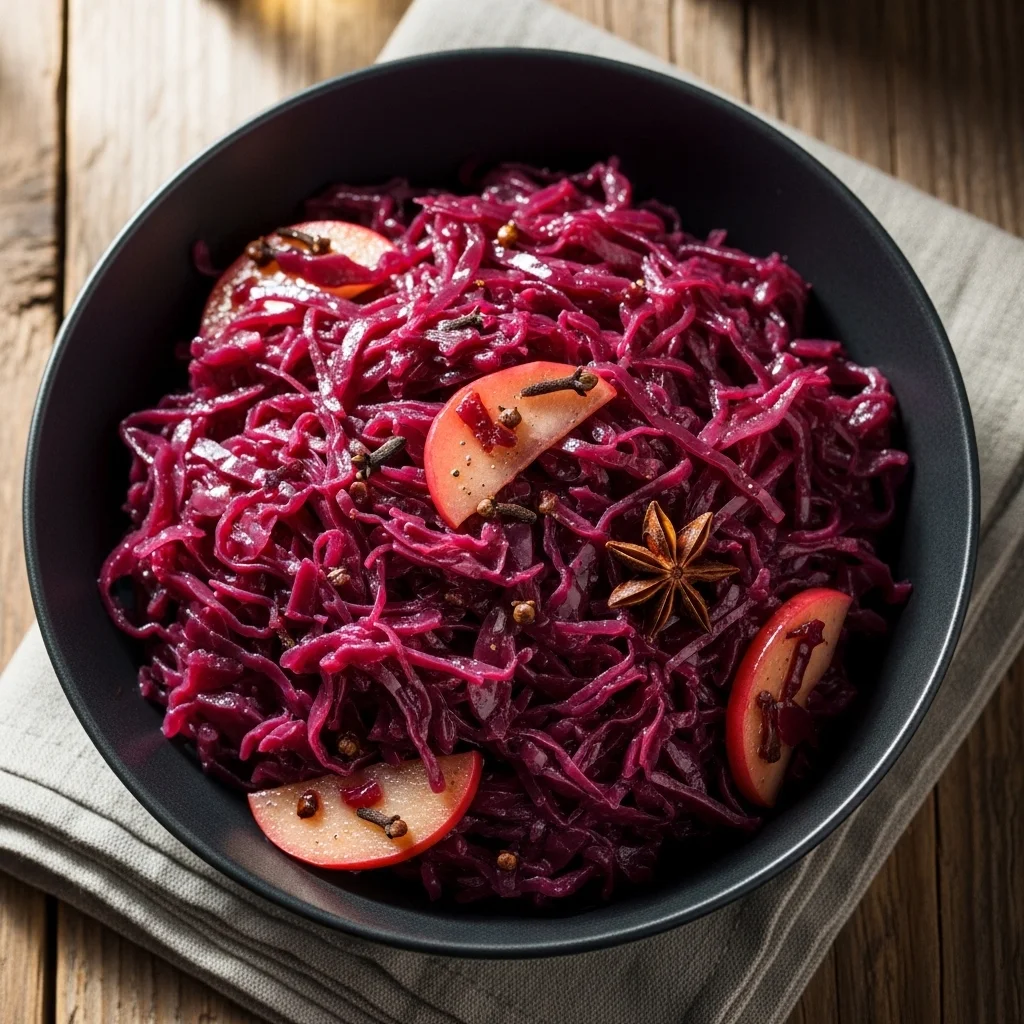
Rotkohl (Braised Red Cabbage)
Thin, golden, crispy cutlets with a tender interior.
Ingredients:
- 4 cutlets (6 oz each)
- 1 cup flour
- 3 eggs, beaten
- 2 cups fine breadcrumbs
- Vegetable oil for frying
- Salt, white pepper, lemon wedges, parsley
Method Highlights:
- Pound cutlets thin.
- Dredge in flour → egg → breadcrumbs.
- Rest 10 min, then fry in hot oil 2-3 min per side.
Pro Tip: Don’t press while frying; serve immediately.
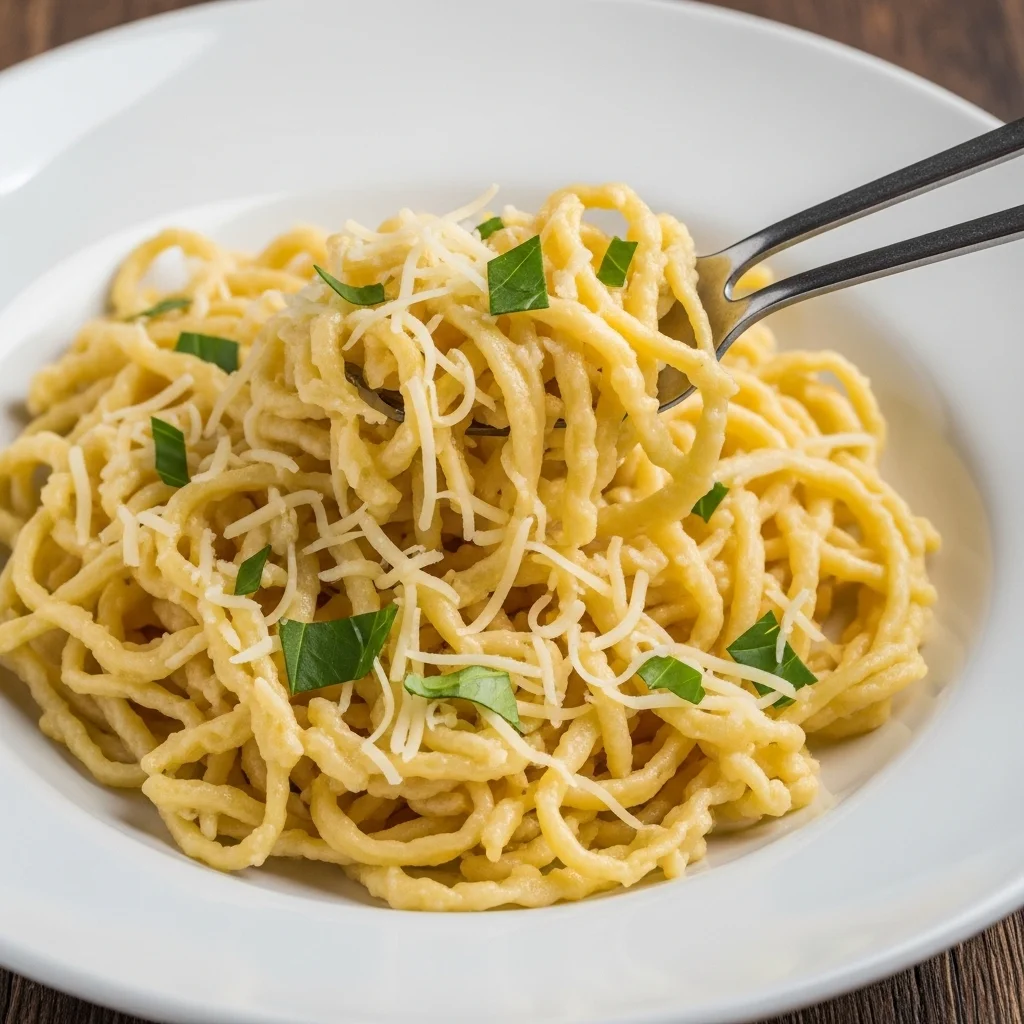
Käsespätzle (Cheese Noodles)
Germany’s take on mac and cheese with handmade noodles and caramelized onions.
Ingredients:
- 300g flour, 4 eggs, 1/2 cup milk, 1 tsp salt
- 200g Gruyère, 100g Emmental
- 2 onions, sliced
- 3 tbsp butter
- Chives for garnish
Method Highlights:
- Make spätzle dough; press into boiling water.
- Caramelize onions in butter.
- Layer noodles with cheese, top with onions and chives.
Pro Tip: Don’t overmix dough; use a colander if no spätzle maker.
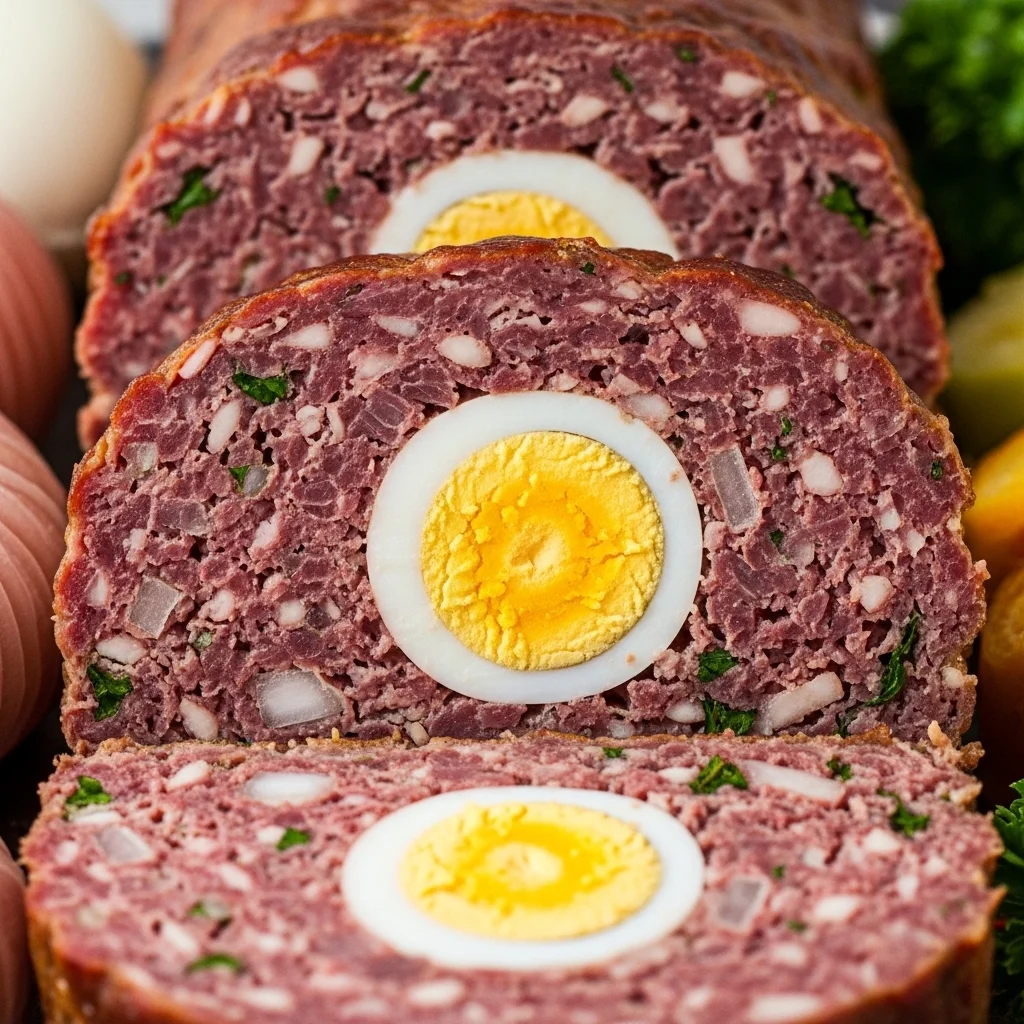
German Meatloaf (Hackbraten)
Tender, flavorful loaf with a mixture of pork and beef.
Ingredients:
- 500g ground beef, 300g ground pork
- 1 onion, diced
- 2 eggs, 1/2 cup breadcrumbs
- 1/4 cup milk, 2 tbsp Dijon mustard
- 2 tbsp parsley, 1 tsp marjoram
- Salt & pepper, 2 tbsp ketchup
Method Highlights:
- Soak breadcrumbs in milk; mix gently with meat and seasonings.
- Shape loaf, glaze with ketchup, bake 45–55 min at 375°F.
Pro Tip: Don’t overpack; rest before slicing
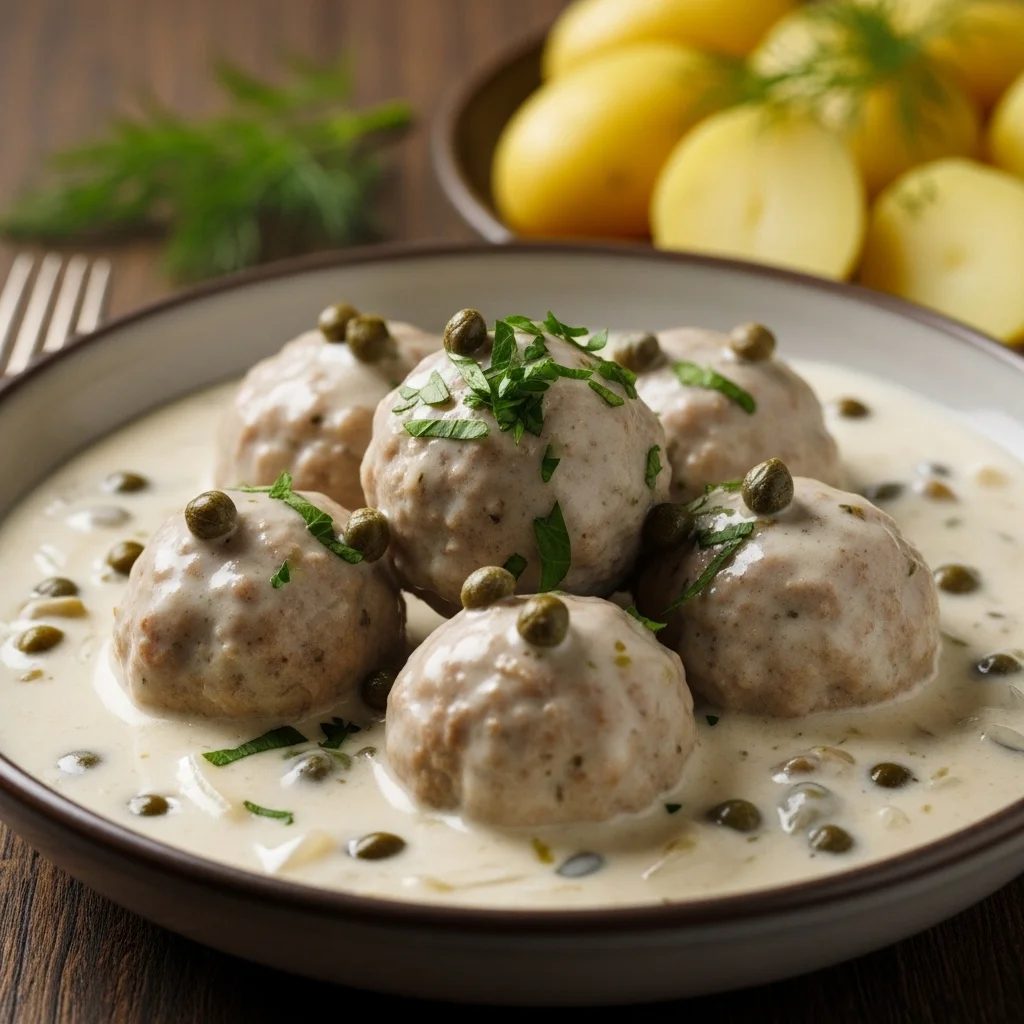
Königsberger Klopse (Meatballs in White Sauce)
Delicate pork-veal meatballs in creamy caper sauce.
Ingredients:
- 500g pork, 200g veal
- 1 onion, minced
- 2 eggs, 1/2 cup breadcrumbs soaked in milk
- 4 cups beef broth
- 3 tbsp butter, 3 tbsp flour
- 1/2 cup cream, 3 tbsp capers, juice of 1 lemon
- Dill, salt & white pepper
Method Highlights:
- Mix meat gently, shape meatballs, poach gently in broth.
- Make white sauce with roux, add cream, capers, lemon.
- Return meatballs to sauce to warm.
Pro Tip: Meatballs should be tender; lemon brightens the sauce.