15 Delicious Portuguese Dinner Recipes to Try at Home
Portuguese cuisine is rich, hearty, and full of flavor, with dishes inspired by seafood, meats, and fresh herbs. These 15 dinner recipes showcase classic Portuguese flavors, perfect for weeknight meals or special gatherings.
Why Portuguese Dinner Recipes Are Special
Portuguese dinners are known for:
- Fresh seafood and meats
- Olive oil and garlic as base flavors
- Herbs like parsley, bay leaves, and coriander
- Hearty stews, grilled dishes, and baked specialties
These meals are comforting, flavorful, and showcase Portugal’s culinary heritage
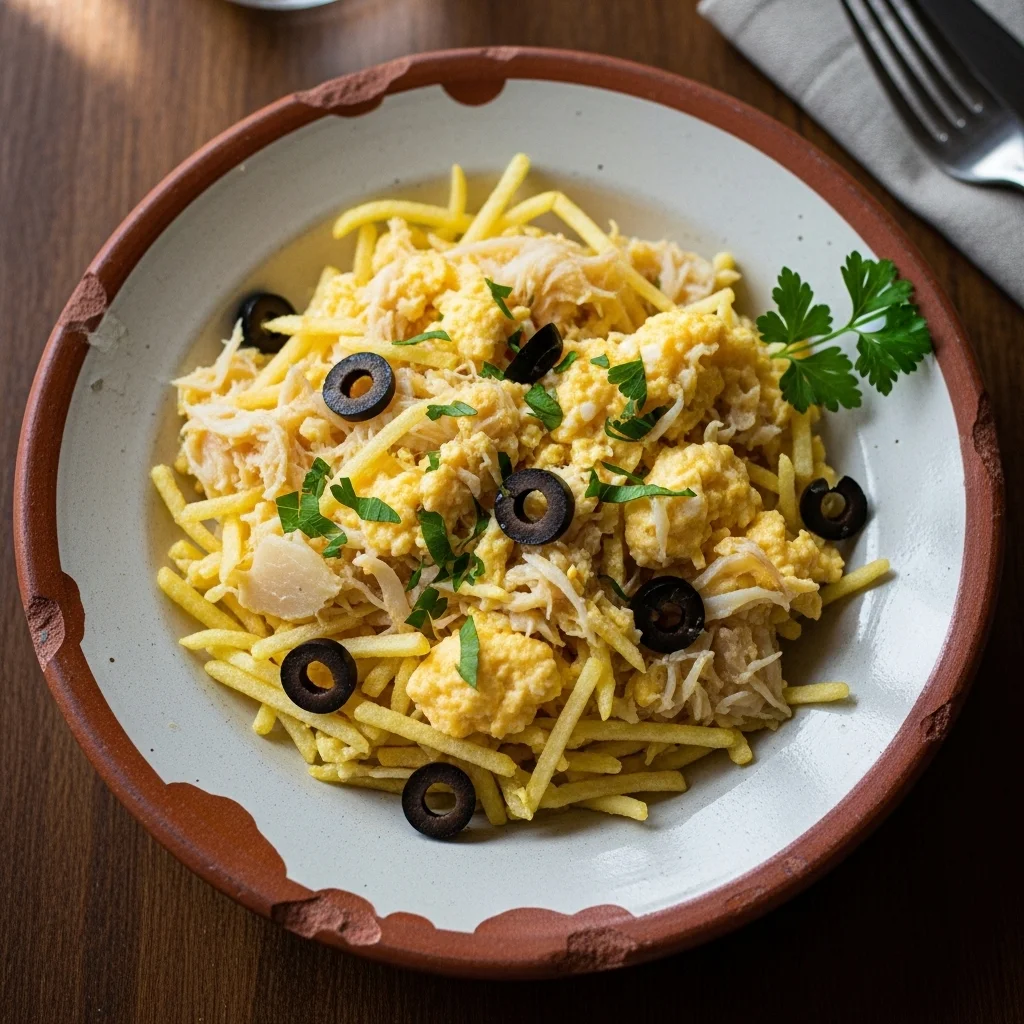
Bacalhau à Brás (Salted Cod with Potatoes and Eggs)
This iconic Portuguese comfort dish transforms humble ingredients into something magical. The key is achieving the perfect balance between silky scrambled eggs, crispy potato matchsticks, and flaky salted cod.
Ingredients:
- 400g salted cod, soaked overnight
- 500g potatoes, cut into thin matchsticks
- 6-8 eggs, beaten
- 2 large onions, thinly sliced
- 4 cloves garlic, minced
- Olive oil for frying
- Fresh parsley, chopped
- Black olives for garnish
Method:
Prep the cod: After soaking overnight, boil the cod for 10-15 minutes until tender. Cool, then shred into bite-sized flakes, removing any bones.
Fry the potatoes: Heat olive oil to 170°C and fry potato matchsticks until golden and crispy. Drain on paper towels – this creates the dish’s signature texture contrast.
Build the base: In a large pan, sauté onions in olive oil until translucent (about 8 minutes). Add garlic and cook for 1 minute more.
Combine: Add shredded cod and fried potatoes to the pan. Toss gently to warm through.
The crucial step: Remove from heat and immediately pour in beaten eggs, stirring constantly. The residual heat will cook the eggs into creamy curds – don’t let them become rubbery.
Pro Tips:
The eggs should remain creamy, almost custard-like. If they start to set too firm, add a splash of cream. Serve immediately while the potatoes retain their crunch.
Caldo Verde (Portuguese Kale Soup)
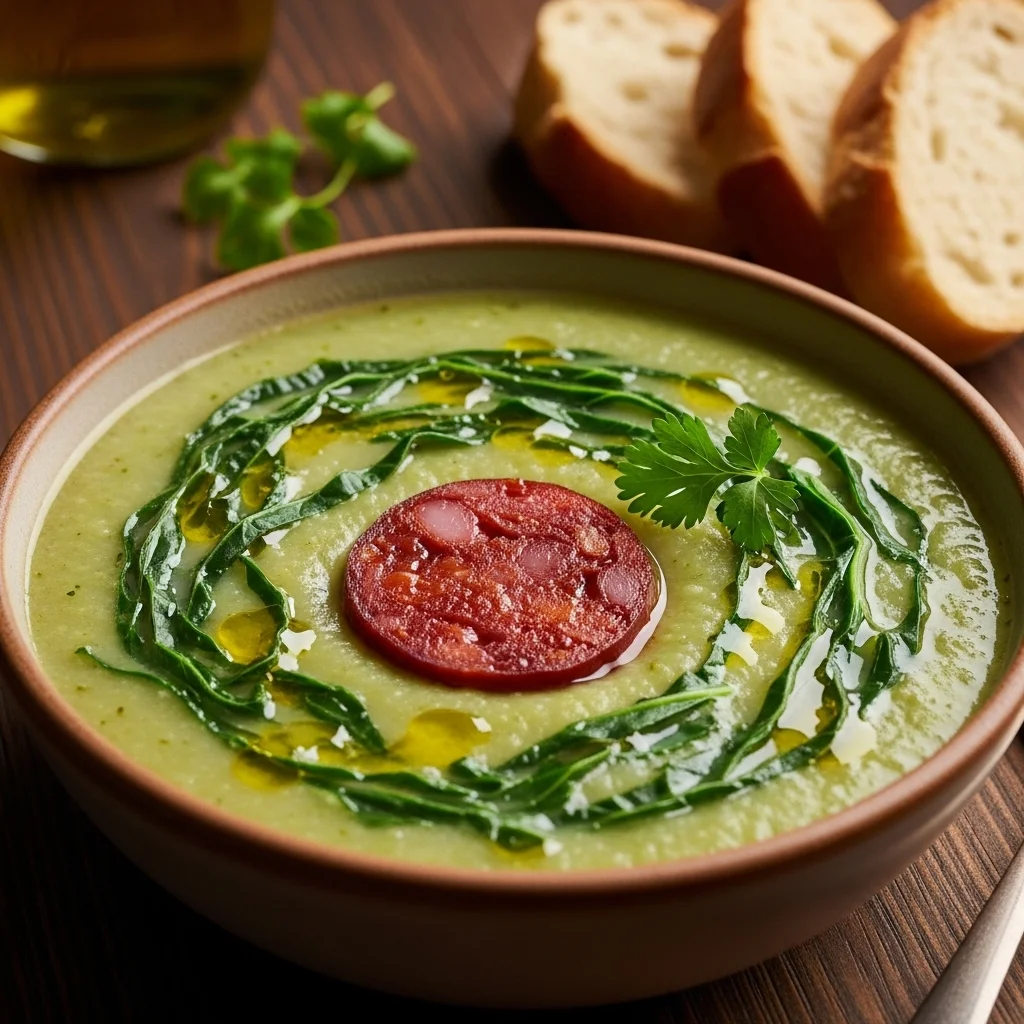
Portugal’s national soup is deceptively simple but requires technique to achieve the perfect creamy base and vibrant green color. Traditionally made with collard greens, kale works beautifully as a substitute.
Ingredients:
- 500g starchy potatoes (Russet or Yukon), peeled and chunked
- 200g chorizo, thinly sliced
- 300g kale or collard greens, stems removed, leaves finely shredded
- 1 large onion, diced
- 4 cloves garlic, minced
- 6 cups chicken or vegetable stock
- Extra virgin olive oil
- Salt and pepper
Method:
Create the base: Sauté onion in olive oil until soft. Add garlic and cook until fragrant.
Build the soup: Add potatoes and stock. Simmer 20-25 minutes until potatoes are completely tender and starting to break down.
Blend partially: Use an immersion blender to partially puree the soup – you want some texture but a creamy base. The starch from the potatoes creates natural creaminess.
Add the greens: Bring to a gentle boil and add finely shredded kale. Cook just 2-3 minutes until wilted but still bright green.
Finish with chorizo: In the last minute, add sliced chorizo to warm through and release its oils.
Pro Tips:
Shred the kale as finely as possible – almost like confetti. This ensures it cooks quickly and maintains its color. The soup should be thick enough to coat a spoon but not stodgy.
Portuguese Chicken Piri Piri
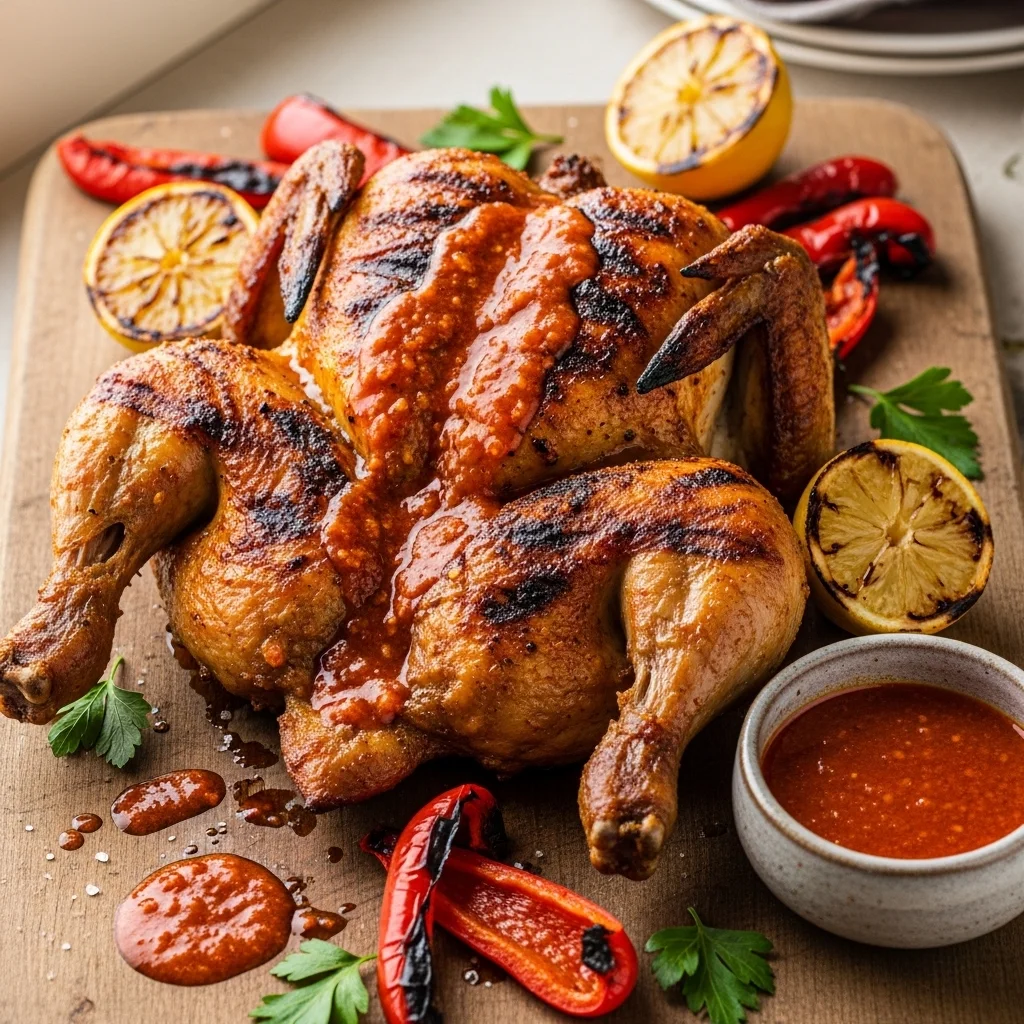
This fiery grilled chicken showcases Portugal’s love affair with African bird’s eye chilies. The marinade penetrates deep into the meat, creating layers of heat, tang, and smokiness.
Ingredients:
- 1 whole chicken, spatchcocked (backbone removed, flattened)
- 6-8 piri piri chilies (or bird’s eye chilies)
- 6 cloves garlic
- Juice of 2 lemons
- 1/4 cup olive oil
- 1 tsp smoked paprika
- 1 tsp oregano
- Salt and pepper
Method:
Make the marinade: Blend chilies, garlic, lemon juice, olive oil, paprika, and oregano into a smooth paste. Adjust heat by removing chili seeds.
Marinate deeply: Score the chicken skin in a crosshatch pattern to help marinade penetrate. Rub marinade all over, including under the skin. Marinate minimum 2 hours, ideally overnight.
Grill technique: Preheat grill to medium-high. Start skin-side down for 15-20 minutes to render fat and crisp skin. Flip and continue cooking until internal temp reaches 165°F (about 25-30 minutes total).
Rest and serve: Let rest 10 minutes before carving. Drizzle with any remaining marinade mixed with fresh lemon juice.
Pro Tips:
Spatchcocking ensures even cooking and maximum marinade contact. If too spicy, serve with Portuguese rice or bread to temper the heat.
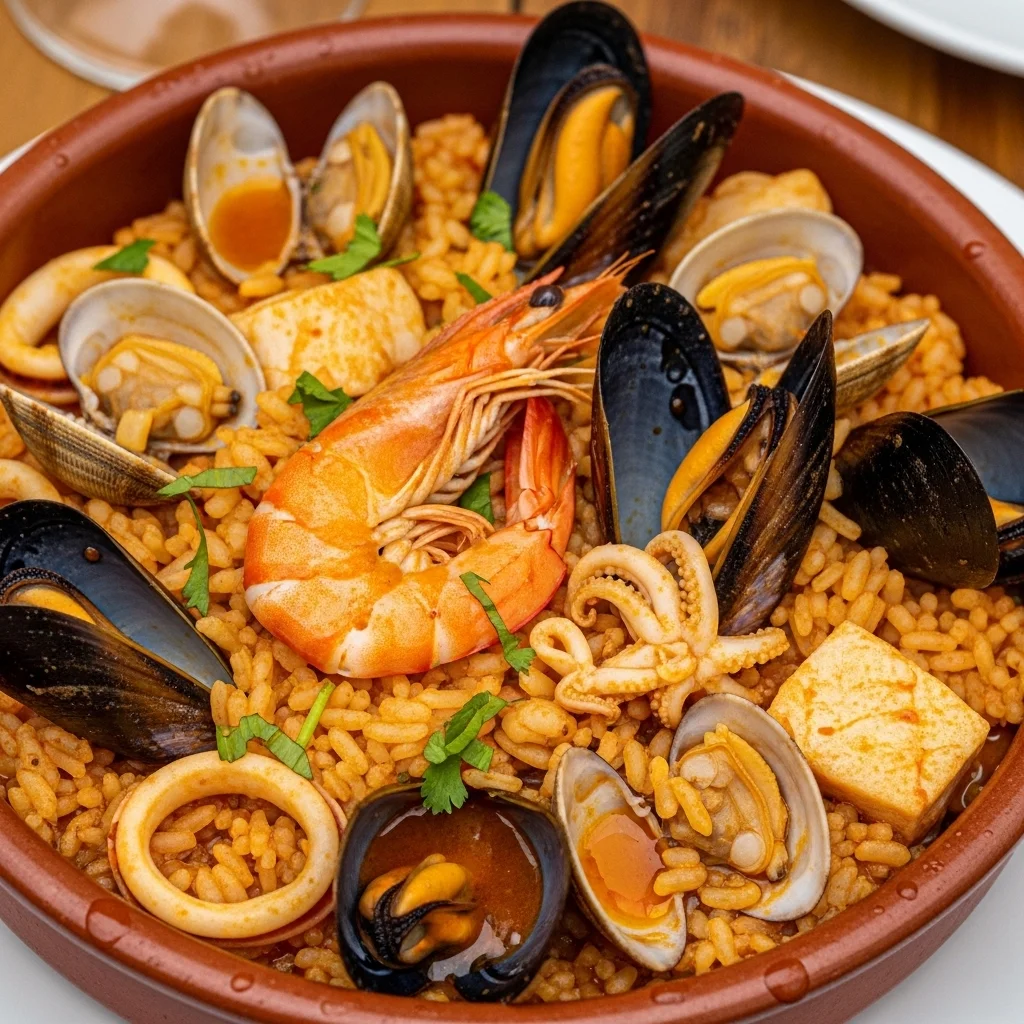
Arroz de Marisco (Portuguese Seafood Rice)
Think of this as Portugal’s answer to paella – a creamy, saffron-scented rice dish that showcases the ocean’s bounty. The rice should be creamy but not mushy, with each grain distinct.
Ingredients:
- 300g Arborio or Bomba rice
- 500g mixed seafood (shrimp, clams, mussels, squid)
- 1L warm fish stock
- Pinch of saffron threads
- 1 onion, finely diced
- 4 cloves garlic, minced
- 2 tomatoes, grated (discard skin)
- White wine
- Olive oil
- Fresh herbs (parsley, cilantro)
Method:
Prep seafood: Clean shellfish thoroughly. If using whole shrimp, reserve shells for stock. Cut squid into rings.
Build flavor base: Sauté onion until translucent, add garlic and grated tomato. Cook until tomato reduces and darkens slightly.
Toast the rice: Add rice and stir for 2-3 minutes until grains are coated and slightly translucent at edges.
Add liquid gradually: Pour in wine and let it absorb. Add warm saffron-infused stock one ladle at a time, stirring gently. This takes about 18-20 minutes.
Add seafood strategically: Add firmer seafood (squid) early, delicate items (shrimp, opened shellfish) in final 5 minutes.
Pro Tips:
Don’t over-stir – you want creamy rice, not risotto. The saffron should be steeped in warm stock for 10 minutes before using.
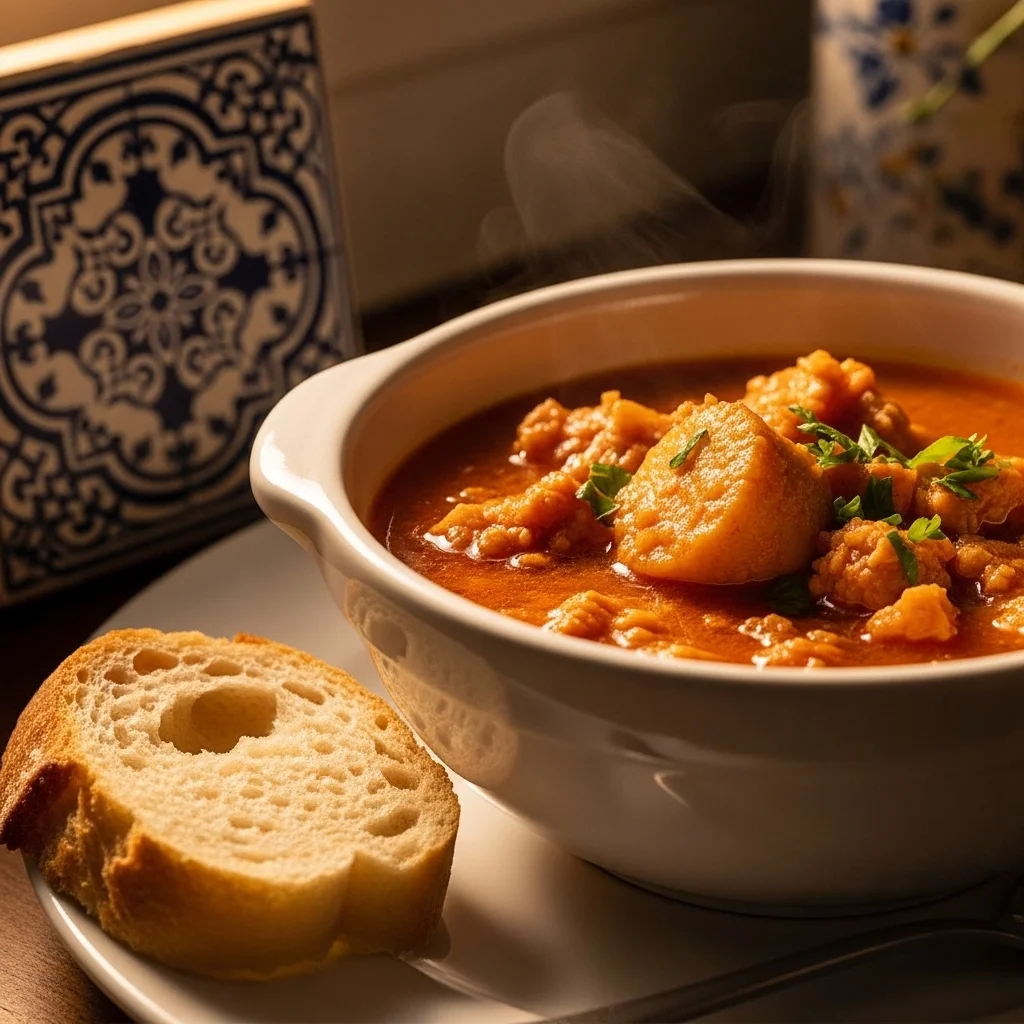
Feijoada à Portuguesa (Portuguese Bean Stew)
This hearty stew is Portugal’s ultimate comfort food – a rich, smoky celebration of beans and pork that improves with time. Unlike Brazilian feijoada, the Portuguese version is lighter but equally satisfying.
Ingredients:
- 500g white beans (cannellini or navy), soaked overnight
- 300g chorizo, sliced
- 200g bacon or pancetta, diced
- 300g pork shoulder, cubed
- 1 onion, diced
- 4 cloves garlic, minced
- 2 bay leaves
- Smoked paprika
- Olive oil
- Fresh cilantro
Method:
Start with the beans: Drain soaked beans and simmer in fresh water with bay leaves for 45 minutes until tender but not mushy.
Build the base: In a heavy pot, render bacon until crispy. Add chorizo and brown. Remove meats, leaving fat behind.
Sauté aromatics: Cook onion in the rendered fat until golden. Add garlic and paprika, cooking until fragrant.
Combine and simmer: Return meats to pot, add pork shoulder and drained beans. Cover with cooking liquid and simmer 1-2 hours until pork is tender.
Finish: Mash some beans against the side of the pot to thicken. Adjust seasoning and garnish with fresh cilantro.
Pro Tips:
The stew should be thick but not dry. Add bean cooking liquid as needed. This tastes even better the next day as flavors meld.
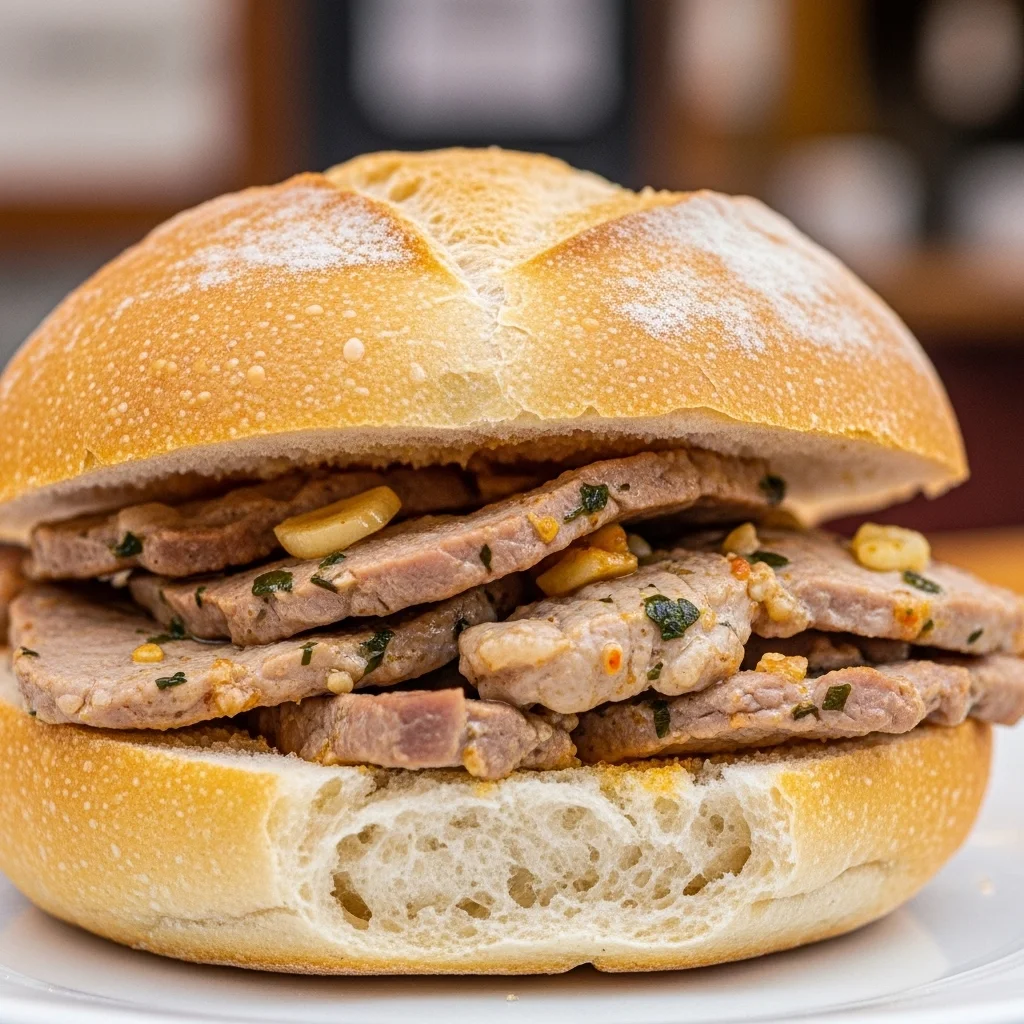
Bifana (Portuguese Pork Sandwich)
Portugal’s beloved street food – tender, garlicky pork in crusty bread. The secret is the quick marinade and high-heat cooking that creates caramelized edges while keeping the meat juicy.
Ingredients:
- 600g pork loin, sliced 1/4 inch thick
- 4 crusty rolls (papo-seco or similar)
- 6 cloves garlic, minced
- 1 tsp sweet paprika
- 1/2 tsp hot paprika
- White wine
- Olive oil
- Bay leaves
- Mustard or piri piri sauce for serving
Method:
Quick marinade: Pound pork slices lightly to tenderize. Marinate with garlic, paprika, bay leaves, and a splash of wine for 30 minutes minimum.
High-heat cooking: Heat olive oil in a large skillet over medium-high heat. Cook pork slices 2-3 minutes per side until golden and slightly caramelized.
Deglaze: Add a splash of wine to deglaze the pan, scraping up browned bits. This creates a flavorful sauce.
Assemble: Warm the rolls slightly. Fill with pork and pan juices. Serve with mustard or piri piri sauce.
Pro Tips:
Don’t overcrowd the pan – cook in batches if needed. The pork should have golden edges but remain juicy inside.
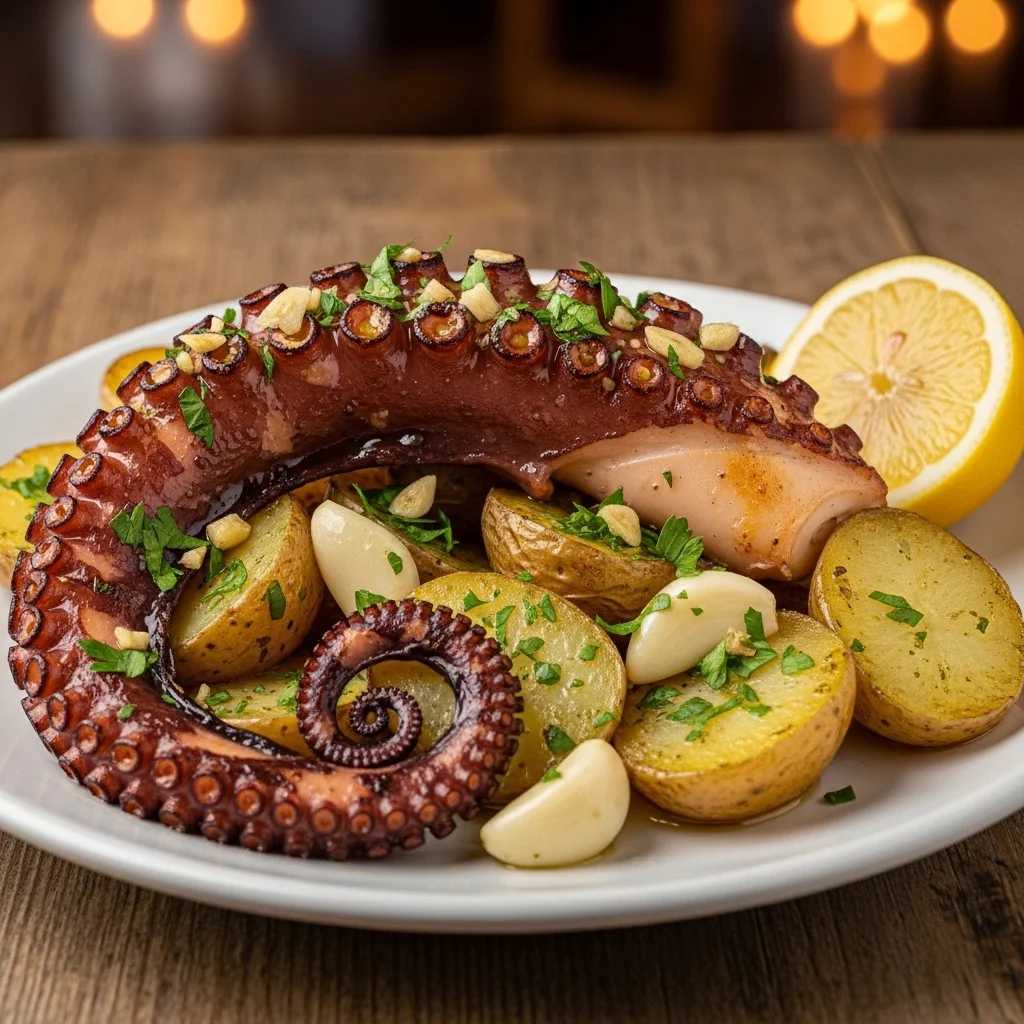
Polvo à Lagareiro (Roasted Octopus)
This rustic dish showcases octopus at its best – tender from slow cooking, then roasted until slightly crispy. The name “lagareiro” refers to the generous use of olive oil, essential for authentic flavor.
Ingredients:
- 1 large octopus (2-3 lbs), cleaned
- 1 kg small potatoes, halved
- 8 cloves garlic, crushed
- High-quality extra virgin olive oil
- Coarse sea salt
- Fresh herbs (parsley, oregano)
- Lemon wedges
Method:
Tenderize the octopus: Bring a large pot of salted water to boil. Dip octopus in and out 3 times (this helps curl the tentacles), then simmer 45-60 minutes until tender when pierced with a fork.
Prep for roasting: Cut octopus into serving pieces. Toss with olive oil, garlic, and herbs.
Roast together: Preheat oven to 425°F. Arrange octopus and potatoes on a large baking sheet. Drizzle generously with olive oil and season with coarse salt.
Achieve the perfect texture: Roast 25-30 minutes until potatoes are golden and octopus edges are slightly crispy.
Finish properly: Drizzle with more olive oil and serve with lemon wedges.
Pro Tips:
Don’t skip the initial boiling – it’s essential for tenderness. The octopus should be tender inside with slightly crispy edges outside.
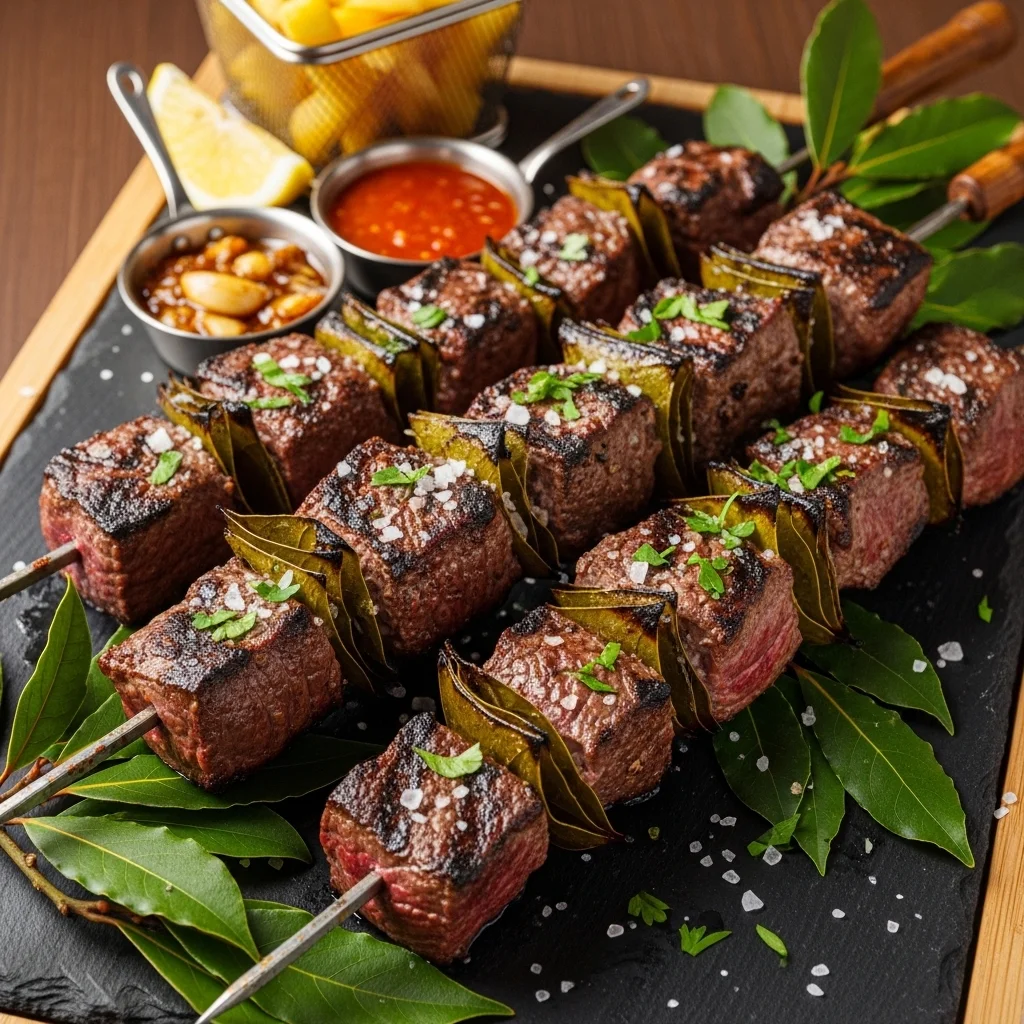
Espetadas (Portuguese Beef Skewers)
These aromatic beef skewers are a Madeiran specialty, traditionally cooked over laurel wood fires. The marinade infuses the meat with garlic and herbs while keeping it incredibly juicy.
Ingredients:
- 1.5 kg beef chuck or sirloin, cut in 2-inch cubes
- 8-10 bay leaves
- 8 cloves garlic, minced
- Coarse sea salt
- Olive oil
- Black pepper
- Wooden or metal skewers
Method:
Marinate for flavor: Combine beef cubes with minced garlic, olive oil, salt, and pepper. Marinate at least 2 hours, preferably overnight.
Skewer strategically: Thread beef onto skewers alternating with bay leaves. The leaves impart flavor and prevent sticking.
Grill technique: Preheat grill to medium heat. Cook skewers 12-15 minutes, turning every 3-4 minutes for even cooking.
Rest before serving: Let rest 5 minutes to redistribute juices.
Pro Tips:
Don’t overcook – beef should be medium to medium-rare for optimal tenderness. If using wooden skewers, soak them for at least 30 minutes to prevent burning.
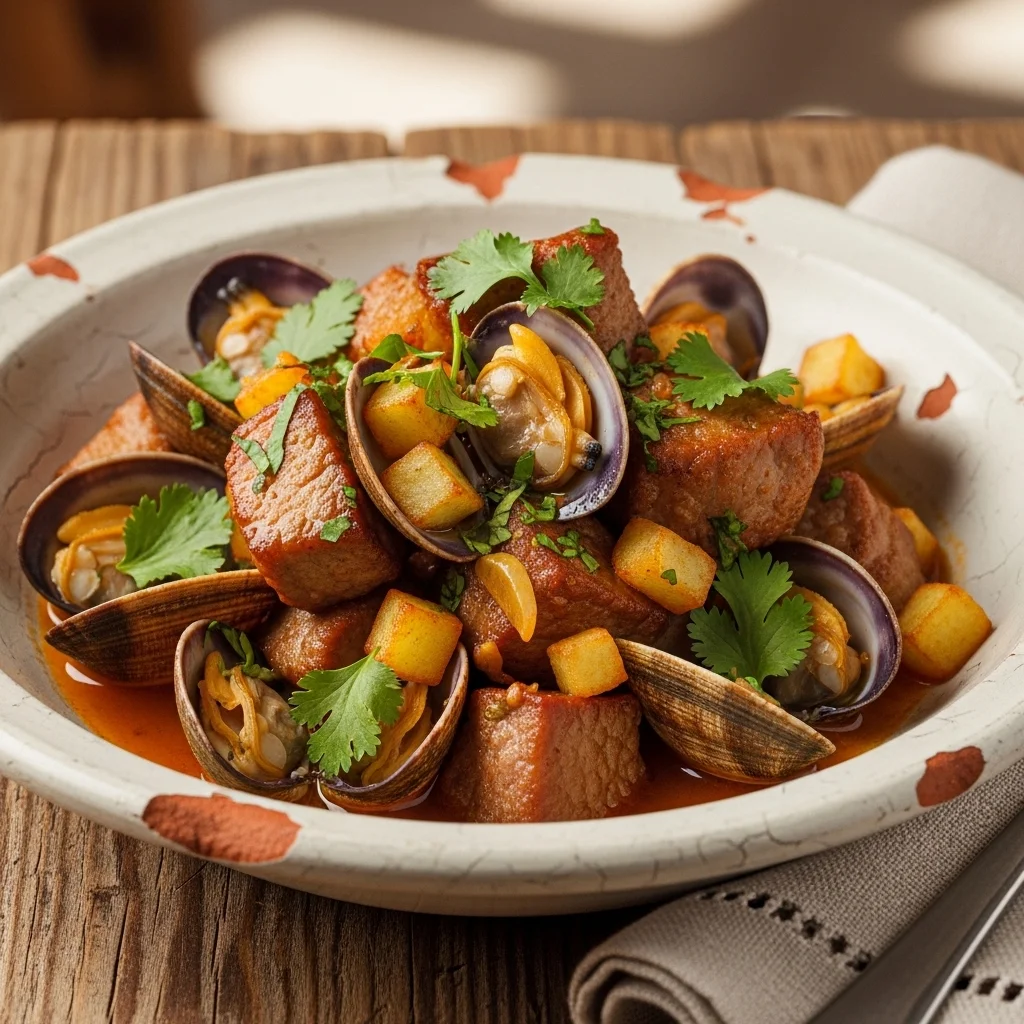
Carne de Porco à Alentejana (Pork with Clams)
This unique surf-and-turf combination from the Alentejo region seems unusual but creates magical flavor harmony. The key is timing – clams added at the perfect moment to avoid overcooking.
Ingredients:
- 800g pork shoulder, cubed
- 1 kg fresh clams, cleaned
- 2 onions, sliced
- 4 cloves garlic, minced
- 1 tsp sweet paprika
- 1/2 cup white wine
- Olive oil
- Fresh cilantro
- Lemon wedges
Method:
Season and sear: Season pork with salt, pepper, and paprika. Sear in olive oil until golden on all sides.
Build the base: Add onions and cook until softened. Add garlic and cook until fragrant.
Braise the pork: Add wine and enough water to barely cover. Simmer covered for 1 hour until pork is tender.
Add clams strategically: Increase heat and add cleaned clams. Cover and cook just until clams open (3-5 minutes). Discard any that don’t open.
Finish bright: Garnish with fresh cilantro and serve with lemon wedges.
Pro Tips:
The pork should be fork-tender before adding clams. Don’t overcook the clams or they’ll become rubbery.
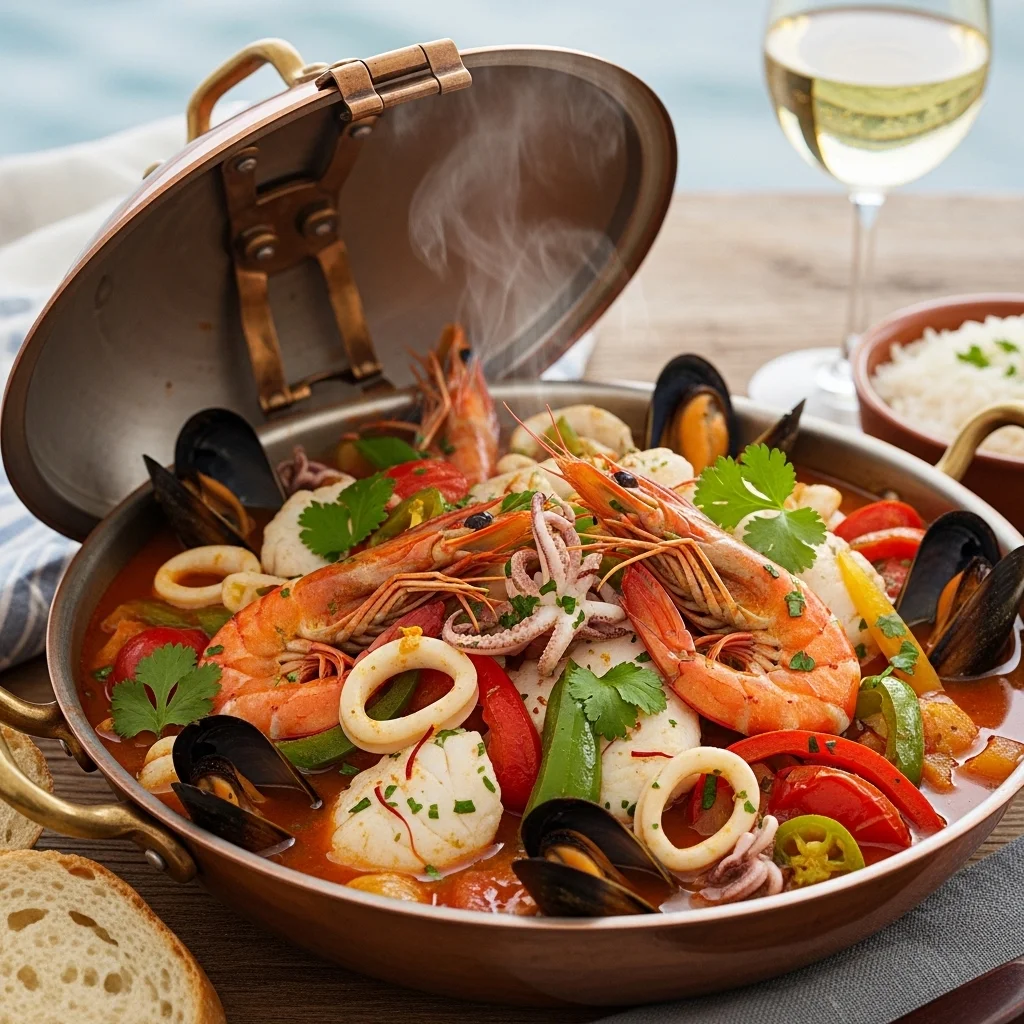
Cataplana de Marisco (Seafood Stew)
Named after the traditional copper cooking vessel, this stew layers seafood with vegetables for a harmonious blend of ocean flavors. The cataplana’s dome shape creates perfect steam circulation.
Ingredients:
- Mixed seafood (prawns, clams, mussels, fish fillets)
- 2 onions, sliced
- 2 bell peppers, strips
- 4 tomatoes, chopped
- 4 cloves garlic, minced
- White wine
- Olive oil
- Fresh herbs (parsley, cilantro)
- Lemon juice
Method:
Layer strategically: In your cataplana (or heavy pot with tight lid), layer onions, peppers, and tomatoes at the bottom.
Add aromatics: Sprinkle with garlic and herbs. Drizzle with olive oil and wine.
Layer seafood: Arrange firmer fish at bottom, shellfish on top. This ensures even cooking.
Steam cook: Cover tightly and cook over medium heat for 15-20 minutes without lifting the lid. The steam does all the work.
Finish and serve: Check that shellfish have opened. Squeeze lemon over everything before serving.
Pro Tips:
Don’t lift the lid during cooking you’ll lose precious steam.
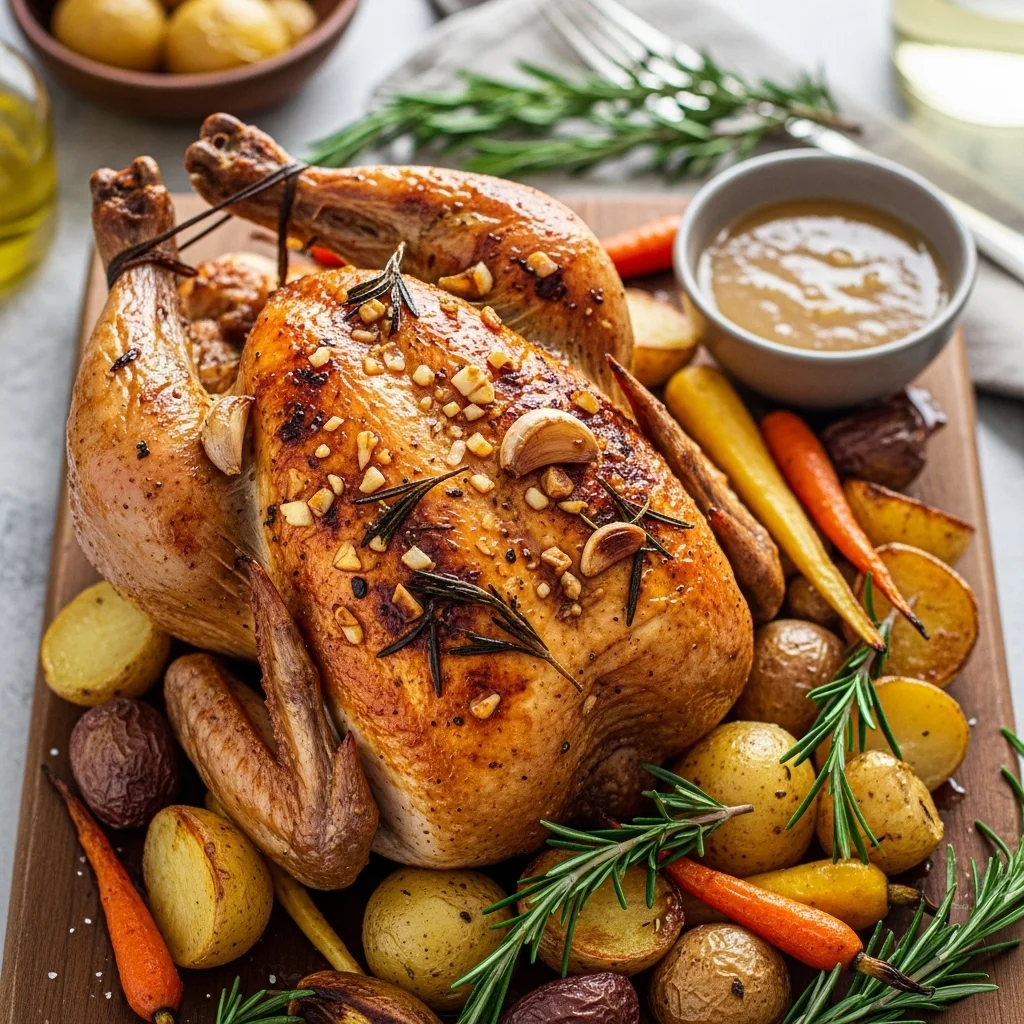
Frango Assado com Alecrim (Rosemary Roasted Chicken)
This simple roast chicken showcases how a few quality ingredients can create something extraordinary. The herb rub penetrates the skin while keeping the meat incredibly moist.
Ingredients:
- 1 whole chicken (3-4 lbs)
- 4 sprigs fresh rosemary, chopped
- 6 cloves garlic, minced
- Zest and juice of 2 lemons
- Olive oil
- Coarse salt and black pepper
- 1 lemon, quartered
Method:
Prep the bird: Pat chicken completely dry. This is crucial for crispy skin.
Make herb paste: Combine rosemary, garlic, lemon zest, olive oil, salt, and pepper into a paste.
Season thoroughly: Rub herb paste all over chicken, including under the skin where possible. Stuff cavity with lemon quarters.
Roast properly: Preheat oven to 425°F. Roast breast-side up for 50-60 minutes until internal temp reaches 165°F.
Rest and finish: Let rest 10 minutes. Drizzle with lemon juice before carving.
Pro Tips:
Starting at high heat creates crispy skin. If skin browns too quickly, tent with foil and reduce temperature to 375°F.
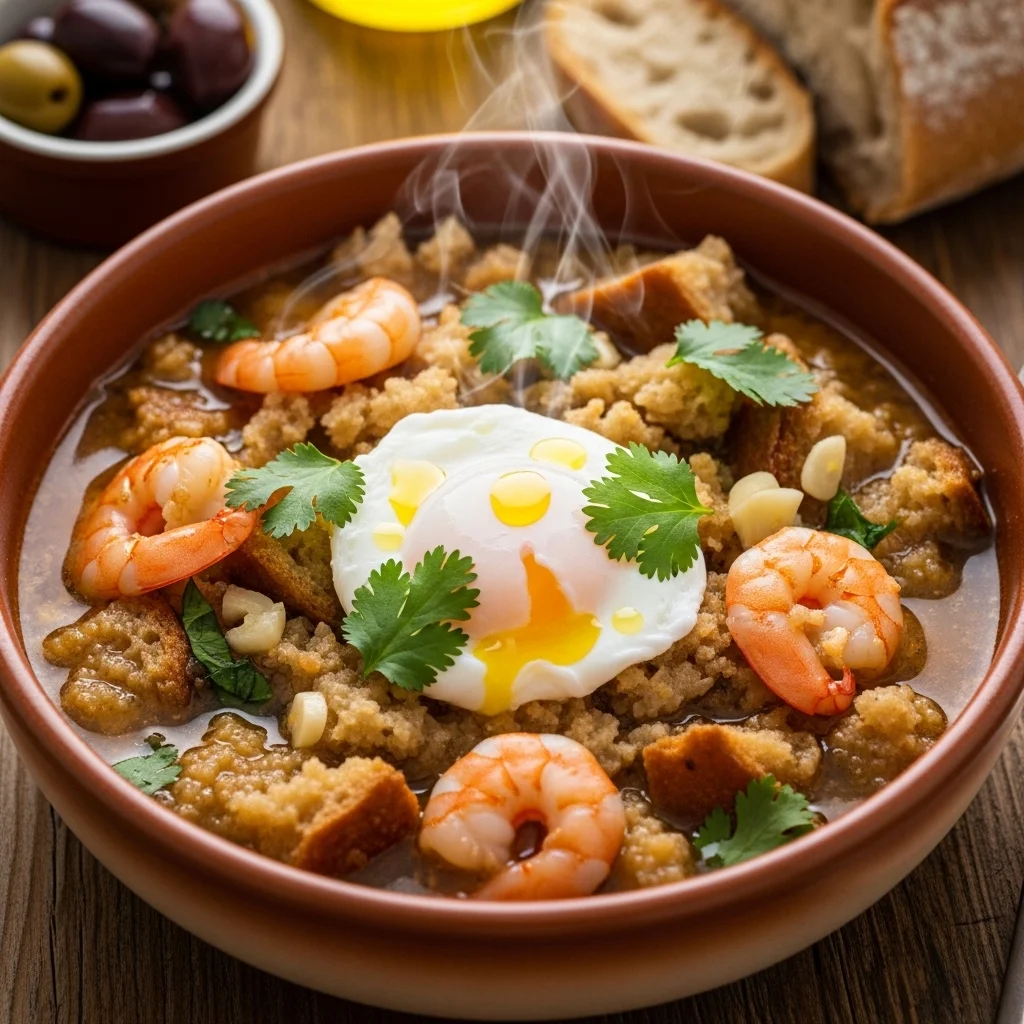
Açorda à Alentejana (Bread and Garlic Soup with Shrimp)
This rustic soup transforms stale bread into liquid gold. The technique of incorporating eggs creates a silky, satisfying texture that’s both humble and elegant.
Ingredients:
- 300g stale country bread, crusts removed
- 500g medium shrimp, peeled
- 6 cloves garlic, minced
- 4 eggs
- Fresh cilantro, chopped
- Olive oil
- Salt and pepper
- Hot water or light stock
Method:
Prep the bread: Tear stale bread into chunks. If bread isn’t stale, toast lightly in oven.
Build the base: Sauté garlic in olive oil until fragrant. Add bread and enough hot water to create a thick porridge consistency.
Create the texture: Mash and stir until bread breaks down into a creamy base. Adjust consistency with more liquid if needed.
Add protein: Stir in shrimp and cook just until pink (2-3 minutes).
Finish with eggs: Remove from heat and quickly stir in beaten eggs. The residual heat will cook them into silky strands.
Pro Tips:
The consistency should be like thick porridge, not soup. Day-old bread works best as it absorbs liquid without becoming mushy.
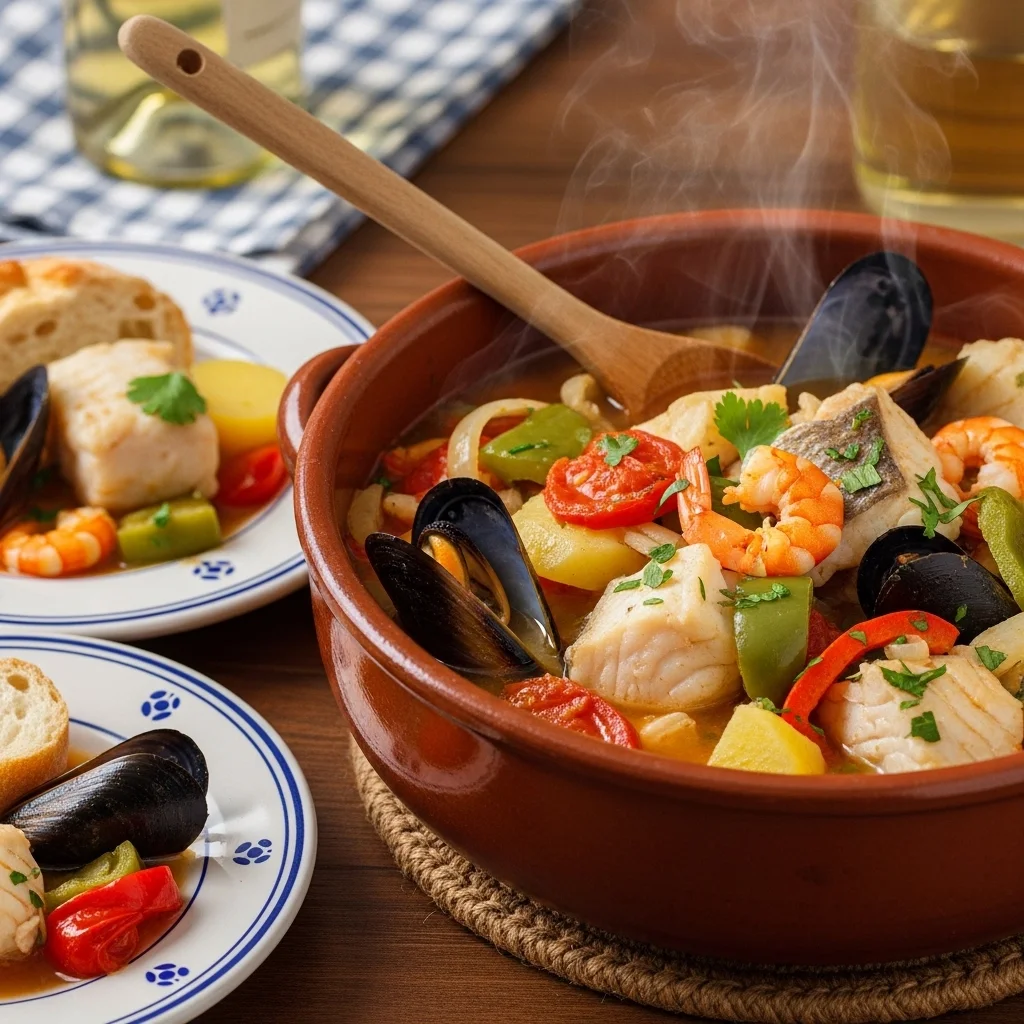
Caldeirada de Peixe (Portuguese Fish Stew)
This coastal stew celebrates Portugal’s fishing heritage. The key is using a variety of fish textures and cooking each type for just the right amount of time.
Ingredients:
- 1 kg mixed firm fish (cod, monkfish, sea bass), chunked
- 500g potatoes, sliced thick
- 2 onions, sliced
- 4 tomatoes, chopped
- 2 bell peppers, strips
- 4 cloves garlic, minced
- White wine
- Olive oil
- Bay leaves
- Fresh herbs
Method:
Layer the vegetables: In a heavy pot, layer potatoes, onions, peppers, and tomatoes. Season each layer.
Add aromatics: Sprinkle with garlic, bay leaves, and herbs. Drizzle with olive oil and wine.
Add fish strategically: Place firmer fish at bottom, delicate fish on top. This prevents overcooking.
Gentle cooking: Cover and simmer gently for 25-30 minutes until potatoes are tender and fish flakes easily.
Serve carefully: Don’t stir vigorously – you want to maintain the fish pieces intact.
Pro Tips:
Use a mix of fish textures – some firm (monkfish), some flaky (cod). The vegetables create a natural cooking liquid.
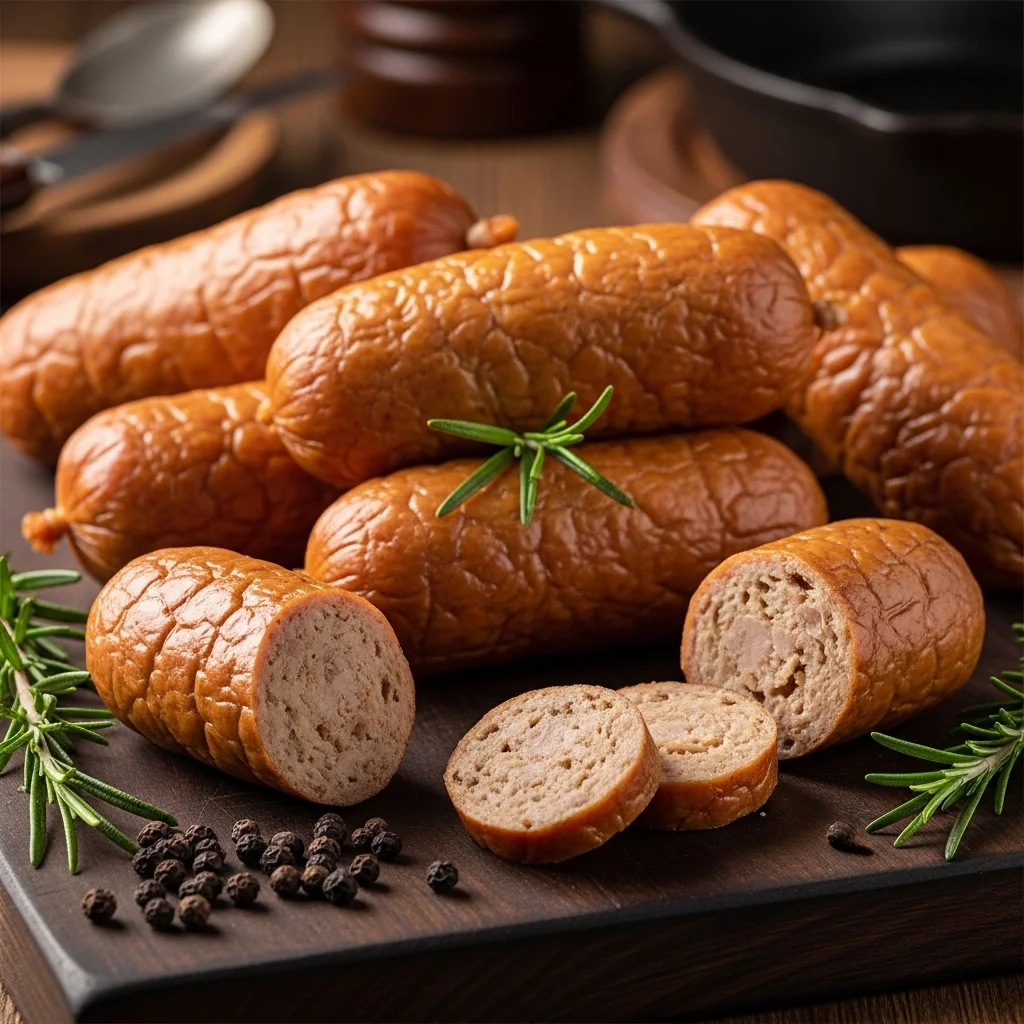
Alheira (Portuguese Sausage)
This unique sausage was created by Portuguese Jews to avoid persecution – made with bread and various meats but no pork (traditionally). Today’s versions often include pork and are beloved throughout Portugal.
Ingredients:
- Alheira sausages (store-bought or homemade)
- Olive oil for cooking
- Accompaniments: boiled potatoes, greens, fried eggs
Method:
Prepare carefully: Alheira is delicate and can burst. Pierce lightly with a fork in a few places.
Cook gently: Pan-fry in a little olive oil over medium heat, turning carefully, until golden and heated through (about 8-10 minutes).
Alternative method: Bake at 375°F for 15-20 minutes, turning once.
Serve traditionally: With boiled potatoes and sautéed greens, or topped with a fried egg.
Pro Tips:
Don’t cook over high heat or the casing will burst. The interior should be hot and creamy when properly cooked.
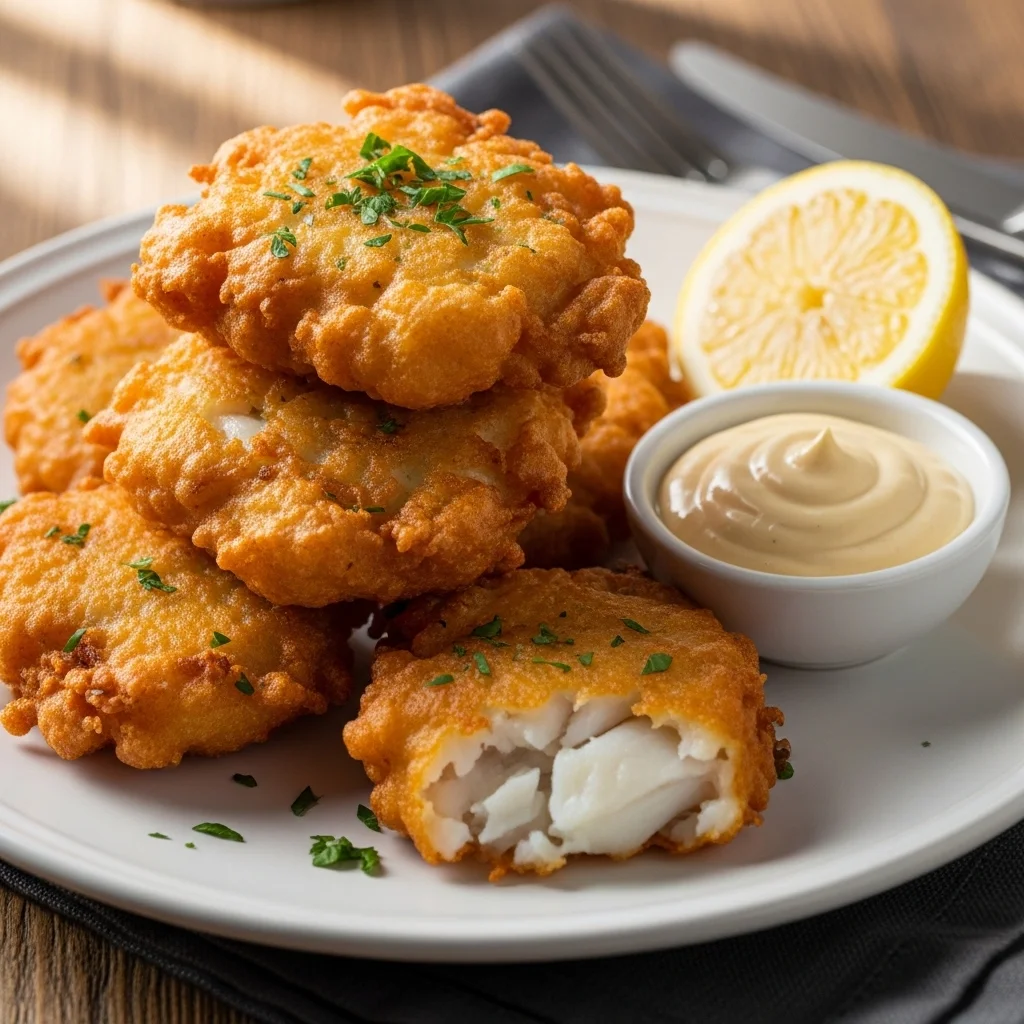
Pastéis de Bacalhau (Cod Fritters)
These golden fritters are Portugal’s most beloved appetizer. The secret is achieving the perfect balance of cod and potato, with a texture that’s crispy outside and fluffy inside.
Ingredients:
- 300g salted cod, soaked overnight
- 500g potatoes, peeled
- 3 eggs, separated
- 1 onion, finely minced
- Fresh parsley, chopped
- Olive oil for deep frying
- Black pepper
Method:
Prep the cod: Boil soaked cod until tender, then flake finely, removing all bones and skin.
Make potato base: Boil potatoes until very tender. Mash until completely smooth – no lumps allowed.
Combine ingredients: Mix mashed potatoes with flaked cod, egg yolks, minced onion, and parsley. Season with pepper (salt usually not needed due to cod).
Lighten the mixture: Beat egg whites to soft peaks and fold gently into the mixture.
Fry to perfection: Heat oil to 350°F. Using two spoons, shape mixture into ovals and fry until golden brown (3-4 minutes). Drain on paper towels.
Pro Tips:
The mixture should hold together but not be too dense. If too wet, add a little flour. Serve immediately while crispy outside and fluffy inside.
See Also: Traditional German Dinner Recipes