8 Filipino Dinner Recipes
Bold. Sour. Sweet. The Flavors of Home.
Filipino cooking is one of the most exciting and underappreciated cuisines in the world. It is a food culture built on contrast — the sharp tang of vinegar against the richness of braised pork, the deep caramel sweetness of banana ketchup alongside crispy garlic rice, the clean brightness of calamansi cutting through slow-cooked stews.
These 8 recipes are the ones that matter most — the adobo that every Filipino family makes slightly differently, the sinigang that tastes like comfort in a bowl, the crispy pata that makes a table go quiet. Each one is deeply satisfying, built for sharing, and impossible to stop eating.
Chicken Adobo
Prep: 10 min | Cook: 45 min | Serves: 4 | Difficulty: Very Easy
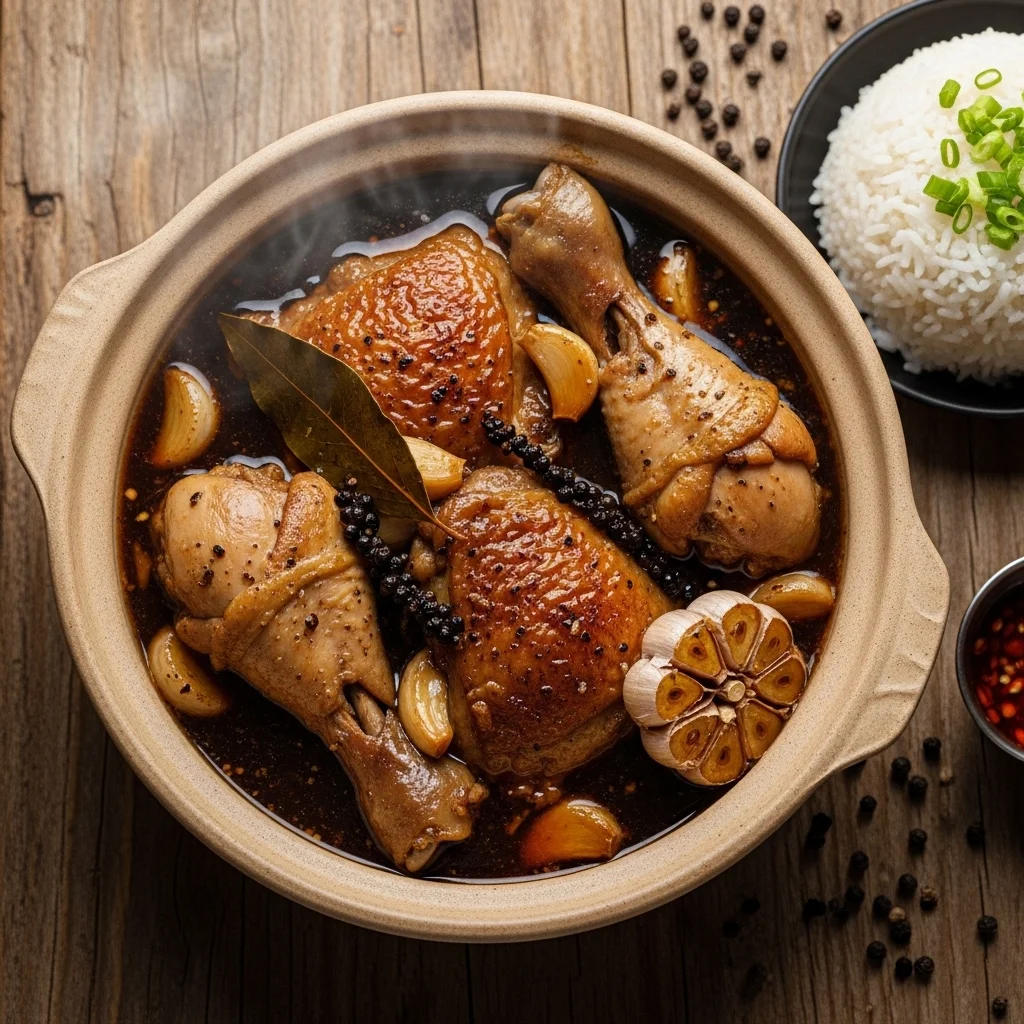
The national dish of the Philippines and the recipe every Filipino cook is measured by. Chicken braised low and slow in a bath of vinegar, soy sauce, garlic, bay leaves, and black peppercorns until the sauce reduces into a dark, intensely savory glaze that coats every piece. Tangy. Salty. Deeply aromatic. The kind of dish that tastes even better the next day when the flavors have settled into something extraordinary.
Ingredients
- 1kg chicken thighs and drumsticks, bone-in skin-on
- ½ cup white cane vinegar or coconut vinegar
- ¼ cup soy sauce
- 1 whole head of garlic, cloves smashed and peeled
- 3 bay leaves
- 1 tsp whole black peppercorns
- 1 tbsp neutral oil
- 1 tbsp sugar (optional, to balance)
- Salt to taste
- Steamed white rice and sliced spring onions to serve
Instructions
Combine chicken, vinegar, soy sauce, garlic, bay leaves, and peppercorns in a bowl or zip-lock bag. Toss well to coat. Marinate for at least 30 minutes, or overnight in the refrigerator for deeper flavor.
Heat oil in a wide heavy pot or Dutch oven over medium-high heat. Remove chicken from the marinade, reserving every drop of the liquid. Sear chicken skin-side down for 3 to 4 minutes until golden. Flip and sear 2 more minutes on the other side. Remove and set aside.
Pour the reserved marinade into the pot. Bring to a boil and scrape up any browned bits from the bottom. Return the chicken to the pot. The liquid should come about halfway up the chicken pieces.
Reduce heat to low, cover, and simmer for 25 minutes. Uncover and increase heat to medium. Let the sauce reduce for 10 to 15 minutes, turning the chicken occasionally, until the liquid becomes a thick, glossy glaze that clings to the meat. Taste and adjust — add sugar if you prefer a slightly sweeter balance.
Serve over steamed white rice with spring onions scattered on top.
Pro Tip: Do not stir the vinegar after adding it and before it comes to a boil. In Filipino cooking, the rule is to let vinegar cook off its sharp raw edge before agitating stirring too early can cause the sauce to turn unpleasantly harsh. Let it reach a full boil undisturbed first, then you can stir and adjust freely.
Sinigang na Baboy (Pork Sinigang)
Prep: 15 min | Cook: 1 hr 15 min | Serves: 4–6 | Difficulty: Easy
The soup that every Filipino reaches for when they need something deeply comforting. Pork ribs or belly simmered in a broth made sour with tamarind and loaded with vegetables — long beans, eggplant, radish, water spinach — until everything is tender and the broth is clean, bright, and perfectly sour. Served over rice with a side of fish sauce and chili for dipping. There is nothing else quite like it in the world.
Ingredients
- 1kg pork ribs or pork belly, cut into serving pieces
- 2 liters water
- 1 packet (40g) tamarind sinigang mix (or 200g fresh tamarind pulp, seeds removed)
- 2 medium tomatoes, quartered
- 1 medium white onion, quartered
- 200g daikon radish, sliced into rounds
- 200g eggplant, sliced into chunks
- 150g long beans (sitaw), cut into 5cm pieces
- 100g water spinach (kangkong) or baby spinach
- 2 long green chili peppers (siling haba)
- 2 tbsp fish sauce (patis)
- Salt and cracked black pepper
- Steamed white rice and extra fish sauce to serve
Instructions
Place pork pieces in a large pot and cover with 2 liters of cold water. Bring to a boil over high heat. Skim off any grey foam that rises to the surface during the first 5 minutes of boiling — this step produces a clean, clear broth.
Add tomatoes and onions. Reduce heat to medium and simmer uncovered for 45 minutes until the pork is nearly tender.
Add the tamarind sinigang mix or fresh tamarind pulp and stir to dissolve. Add fish sauce, daikon, and long green chilies. Simmer for 10 minutes.
Add eggplant and long beans and cook for 8 more minutes until the vegetables are just tender. Taste the broth and adjust sourness by adding more sinigang mix or fish sauce as needed. The broth should taste pleasantly and assertively sour.
Add water spinach in the last 2 minutes of cooking — it wilts almost instantly and overcooking makes it slimy.
Serve hot in deep bowls over steamed rice with a small bowl of fish sauce and sliced chili on the side for dipping.
Pro Tip: Add the vegetables in stages according to how long they each take to cook radish first because it takes longest, then eggplant and beans, then water spinach last. Cooking everything together from the start produces mushy vegetables and a cloudy broth.
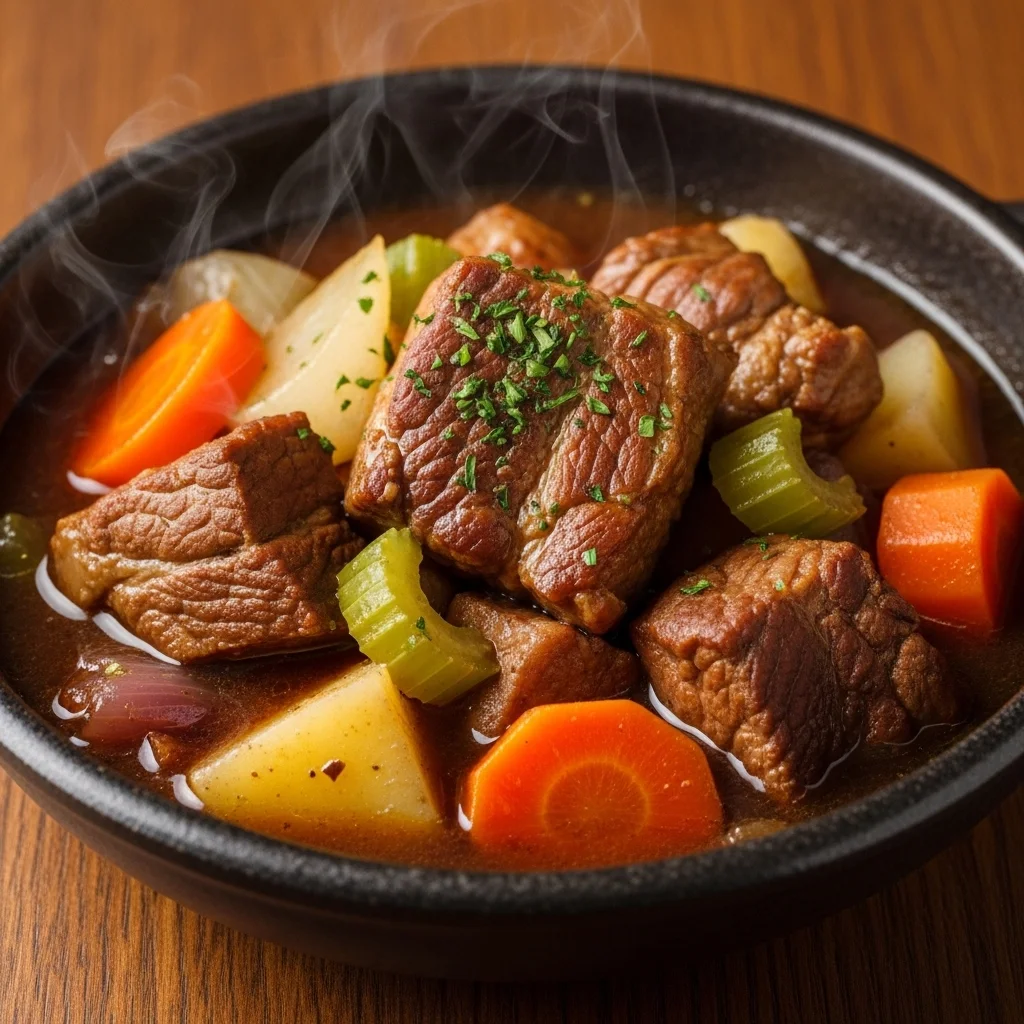
Pork Kare-Kare
Prep: 20 min | Cook: 2 hrs | Serves: 4–6 | Difficulty: Medium
One of the great dishes of Filipino cuisine. Oxtail or pork braised until fall-apart tender in a thick, golden peanut sauce alongside banana blossom, eggplant, and long beans, always served with a generous side of bagoong (fermented shrimp paste) that cuts through the richness with a sharp, savory punch. The peanut sauce and the bagoong together create a flavor combination that is completely unforgettable.
Ingredients
- 1kg pork hocks or oxtail, cut into pieces
- ½ cup peanut butter (smooth, unsweetened)
- ¼ cup roasted ground peanuts
- 3 tbsp toasted ground rice (malagkit) or rice flour
- 1 small white onion, diced
- 4 garlic cloves, minced
- 1 tsp annatto powder (atsuete) or 2 tbsp annatto seeds soaked in water for color
- 1 banana blossom (puso ng saging), canned, drained and quartered (or substitute jackfruit)
- 2 medium eggplants, cut into thick chunks
- 150g long beans (sitaw), cut into 5cm pieces
- 1.5 liters water or beef stock
- 2 tbsp fish sauce
- 1 tbsp neutral oil
- Salt and pepper
- Bagoong alamang (fermented shrimp paste) to serve — this is not optional
Instructions
Heat oil in a large heavy pot over medium-high heat. Sear pork pieces in batches until browned on all sides. Remove and set aside. In the same pot, cook onion for 4 minutes until soft. Add garlic and cook 1 more minute.
Return pork to the pot. Add water or stock and annatto. Bring to a boil, skim off any foam, then reduce to a low simmer. Cover and cook for 1.5 hours until the pork is completely tender and nearly falling off the bone.
Whisk peanut butter and toasted ground rice into the broth, stirring until smooth and fully incorporated. Simmer uncovered for 10 minutes, stirring frequently as the sauce will thicken quickly. Season with fish sauce, salt, and pepper.
Add banana blossom and eggplant to the pot and cook for 10 minutes. Add long beans and cook 5 more minutes until all vegetables are tender and the sauce is thick enough to coat a spoon.
Serve in deep bowls over rice with a generous tablespoon of bagoong alamang on the side. The bagoong is eaten alongside every bite — the salty fermented funk against the rich peanut sauce is the entire genius of this dish.
Pro Tip: Do not substitute the bagoong with anything else and do not skip it. Kare-kare is deliberately mild and sweet on its own — the dish is designed to be eaten in combination with the sharp, pungent, fermented bagoong. Without it the peanut sauce is pleasant but flat.
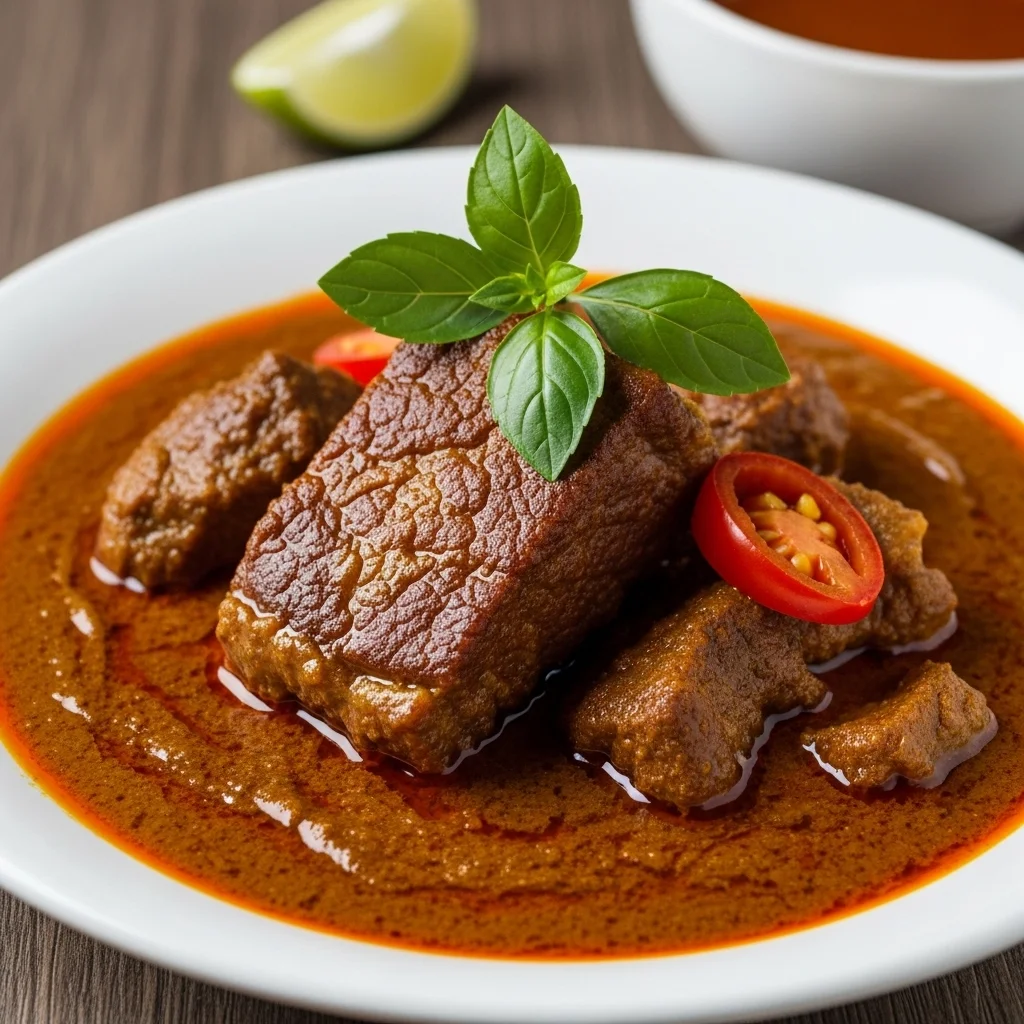
Crispy Pata
Prep: 20 min | Cook: 3 hrs + overnight | Serves: 4–6 | Difficulty: Medium
The showstopper of Filipino celebrations. A whole pork leg boiled until the meat is completely tender, then deep-fried until the skin blisters and crackles into the most extraordinary crispy shell imaginable. The contrast between the shatteringly crispy skin and the soft, juicy meat beneath it is one of the great textures in all of Filipino cooking. Served with a sharp vinegar-soy dipping sauce that cuts through the richness perfectly.
Ingredients
- 1 whole pork leg (pata), about 1.5kg, cleaned and scored deeply through the skin
- 2 liters water
- 1 head garlic, halved crosswise
- 1 medium onion, halved
- 2 bay leaves
- 1 tbsp whole black peppercorns
- 2 tbsp salt
- 1 can (330ml) lemon-lime soda or beer (for the boil — tenderizes and adds subtle flavor)
- Oil for deep frying
- For the dipping sauce: ¼ cup white vinegar + 3 tbsp soy sauce + 4 garlic cloves minced + 1 small red onion finely diced + 2 red bird’s eye chilies sliced + cracked black pepper
Instructions
Place pork leg in a large pot. Add water, soda or beer, halved garlic head, onion, bay leaves, peppercorns, and salt. Bring to a boil. Skim off any foam. Reduce to a steady simmer and cook uncovered for 2 to 2.5 hours until the meat is very tender when pierced with a skewer and the skin feels completely soft.
Remove the pork leg carefully and place on a wire rack set over a tray. Pat the surface completely dry with paper towels. Allow to air-dry uncovered in the refrigerator overnight, or for at least 4 hours. This step is what produces the crackling skin. Wet skin steams rather than fries.
Mix all dipping sauce ingredients together and set aside to allow the flavors to meld.
Heat a large pot or deep fryer with enough oil to fully submerge the pork leg to 180°C (355°F). Carefully lower the pork into the hot oil. Stand back — the skin will pop and spatter dramatically. Fry for 10 to 15 minutes, turning occasionally, until the entire surface is blistered, deeply golden, and crackling all over.
Drain and rest for 5 minutes. Serve whole on a large platter with the dipping sauce.
Pro Tip: Scoring the skin deeply before boiling and then air-drying overnight are both essential steps neither can be skipped or rushed. The scoring allows the skin to expand and blister evenly during frying rather than puffing up unevenly.
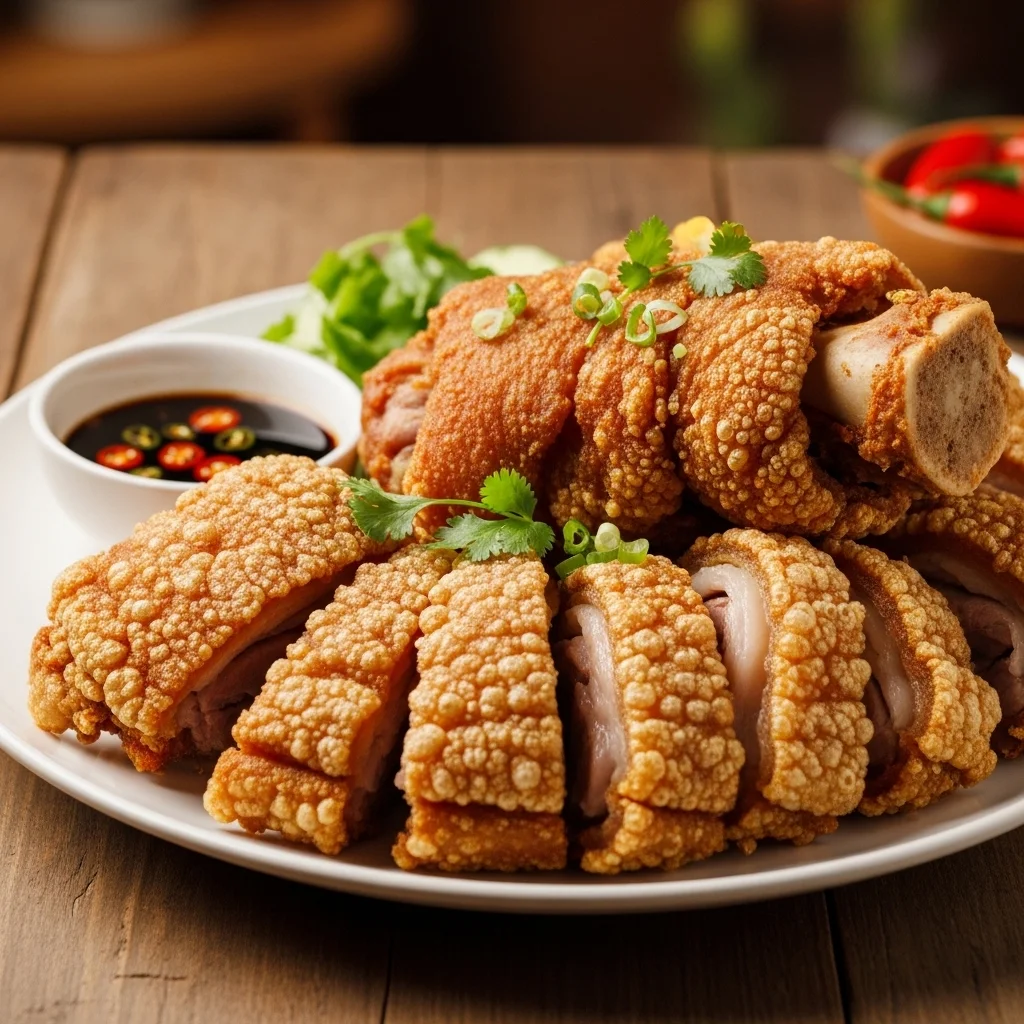
Pancit Canton
Prep: 15 min | Cook: 20 min | Serves: 4 | Difficulty: Very Easy
The birthday noodle. Long noodles stir-fried with pork, shrimp, and vegetables in a savory sauce — always served at celebrations because the long noodles symbolize long life. But pancit canton is far too delicious to save only for birthdays. It is quick, deeply satisfying, loaded with flavor, and the kind of one-pan dinner that comes together in 20 minutes and disappears in five.
Ingredients
- 250g canton noodles (or egg noodles)
- 200g pork belly or pork loin, thinly sliced
- 150g medium shrimp, peeled and deveined
- 1 cup cabbage, thinly shredded
- 1 large carrot, julienned
- 1 cup snap peas or snow peas
- 1 small white onion, thinly sliced
- 4 garlic cloves, minced
- 3 tbsp soy sauce
- 2 tbsp oyster sauce
- 1 cup chicken stock
- 2 tbsp neutral oil
- Salt and cracked black pepper
- Calamansi or lime wedges to serve
- Sliced spring onions and fried shallots to garnish
Instructions
Soak canton noodles in warm water for 5 minutes to soften slightly. Drain and set aside.
Heat oil in a wok or wide skillet over high heat. Add pork slices and cook for 3 to 4 minutes until browned and cooked through. Add shrimp and cook for 2 minutes until pink. Remove both and set aside.
In the same wok, add onion and cook for 2 minutes. Add garlic and cook 30 seconds. Add carrot and cook 2 minutes on high heat. Add cabbage and snap peas and toss for another 2 minutes.
Pour in chicken stock, soy sauce, and oyster sauce and bring to a boil. Add the drained noodles and toss everything together vigorously, using tongs to separate and coat the noodles. Cook for 3 to 4 minutes until the noodles have absorbed most of the liquid and the sauce coats everything in a glossy finish. Return pork and shrimp to the wok and toss to combine. Season to taste.
Serve immediately topped with spring onions and fried shallots. Squeeze calamansi or lime generously over the top at the table.
Pro Tip: Do not fully cook the noodles in the sauce liquid — pull them off the heat while they still look slightly wet and underdone. The residual heat in the wok continues cooking the noodles as you plate and they will finish cooking perfectly.
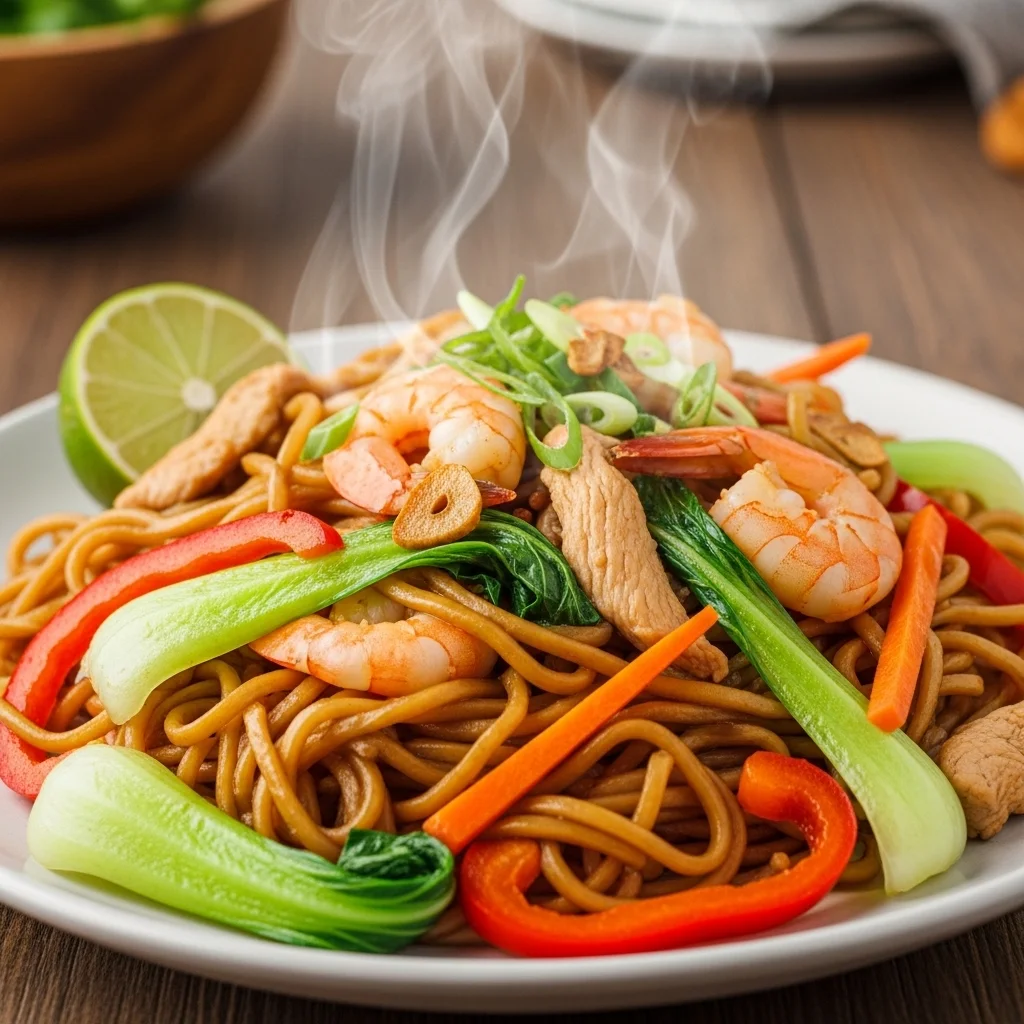
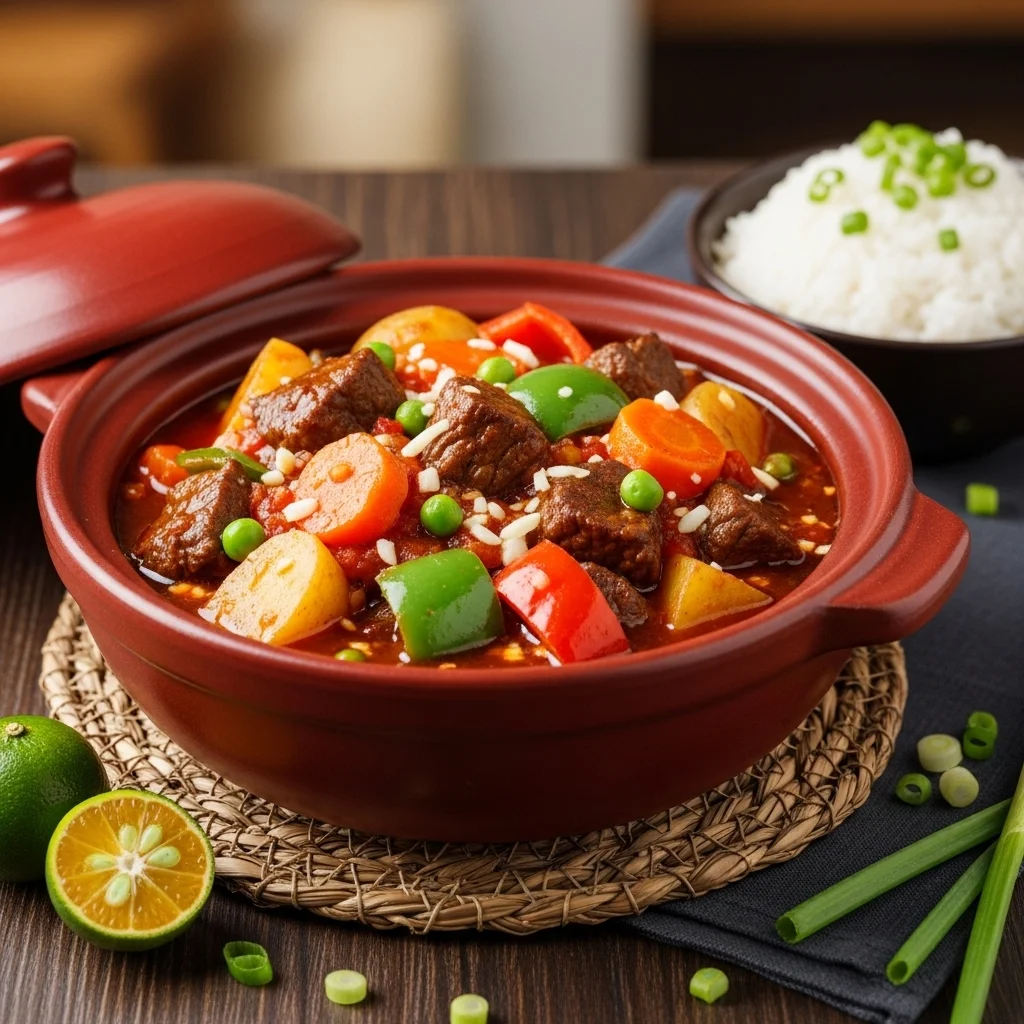
Beef Caldereta
Prep: 20 min | Cook: 1 hr 45 min | Serves: 4–6 | Difficulty: Easy
A Spanish-influenced Filipino stew of slow-braised beef in a rich tomato and liver spread sauce with potatoes, carrots, and bell peppers, finished with green olives and a generous amount of cheese. Bold, complex, deeply savory, and impossible to stop eating over rice. This is celebration food that somehow also works on a quiet Tuesday evening when you want something that tastes like it took serious effort — and it barely does.
Ingredients
- 1kg beef chuck or beef shank, cut into large chunks
- 400g canned diced tomatoes
- 3 tbsp liver spread (from a can — this is the secret to authentic caldereta and cannot be substituted)
- 250ml tomato sauce
- 250ml beef stock
- 1 medium white onion, diced
- 5 garlic cloves, minced
- 2 medium potatoes, peeled and quartered
- 2 large carrots, cut into thick chunks
- 1 red bell pepper, sliced
- 1 green bell pepper, sliced
- ½ cup green olives, pitted
- ½ cup grated quick-melt cheese or cheddar
- 2 tbsp soy sauce
- 1 tbsp fish sauce
- 2 tbsp neutral oil
- 1 tsp chili flakes or 2 whole bird’s eye chilies
- Salt and cracked black pepper
Instructions
Season beef generously with salt and pepper. Heat oil in a large heavy pot over high heat and sear beef in batches until browned on all sides. Remove and set aside.
Reduce heat to medium. Cook onion for 4 minutes until soft. Add garlic and cook 1 more minute. Add tomatoes, tomato sauce, and beef stock and stir to combine. Return the beef to the pot. Add soy sauce, fish sauce, and chili.
Bring to a boil, then reduce heat to low. Cover and simmer for 1 hour until the beef is nearly tender.
Add potatoes and carrots. Cook uncovered for 20 more minutes until the vegetables are tender and the sauce has reduced and thickened.
Stir in liver spread until fully dissolved into the sauce. Add bell peppers and green olives. Cook for 5 more minutes. Stir in grated cheese until melted through the sauce. Taste and adjust seasoning generously.
Serve over steamed white rice.
Pro Tip: Canned liver spread is the ingredient that makes caldereta taste like caldereta and nothing else will replicate it. It adds a depth and earthiness to the tomato sauce that makes the dish complex and distinctive rather than tasting like a standard beef stew.
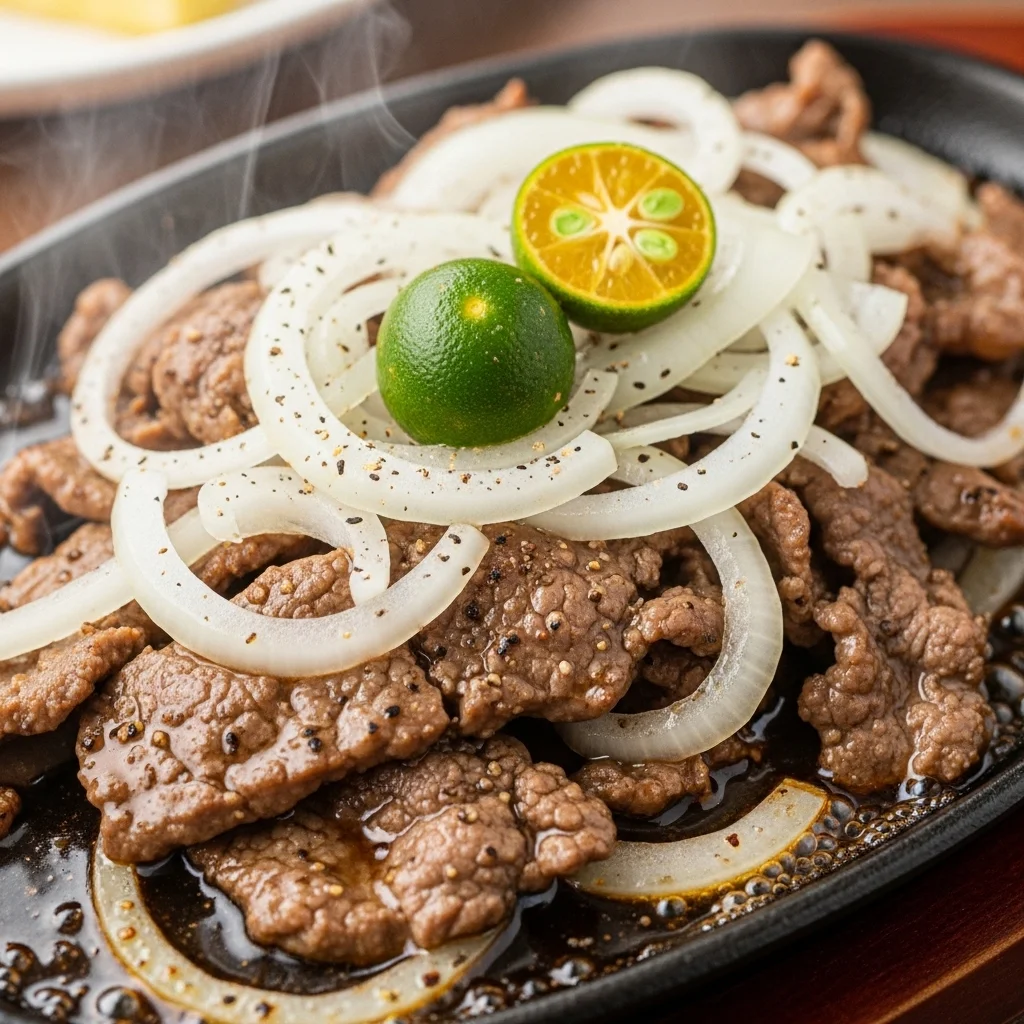
Bistek Tagalog (Filipino Beef Steak)
Prep: 10 min + 1 hr marinating | Cook: 20 min | Serves: 2–4 | Difficulty: Very Easy
Filipino beef steak is nothing like its Western counterpart. Thinly sliced beef marinated and braised in soy sauce and calamansi juice, served topped with a mountain of caramelized onion rings in a glossy dark sauce that is simultaneously salty, sour, and deeply savory. Simple ingredients. Enormous flavor. One of the most universally loved Filipino dishes that takes almost no effort to produce.
Ingredients
- 500g beef sirloin or ribeye, sliced thinly against the grain (about 5mm thick)
- ¼ cup soy sauce
- 3 tbsp calamansi juice (or a mix of lemon and lime juice)
- 1 tsp cracked black pepper
- 3 large white onions, sliced into thick rings
- 3 garlic cloves, minced
- 2 tbsp neutral oil
- 1 tbsp butter
- 1 tbsp sugar
- Salt to taste
- Steamed white rice and extra calamansi to serve
Instructions
Combine beef slices with soy sauce, calamansi juice, black pepper, and garlic. Toss to coat evenly. Marinate for at least 1 hour or overnight.
Remove beef from the marinade and pat lightly dry, reserving every drop of the marinade liquid.
Heat oil in a wide skillet over high heat. Sear beef slices in batches without crowding for 60 to 90 seconds per side until browned. The beef slices are thin and cook extremely fast. Remove and set aside.
In the same skillet, add butter and the sliced onion rings over medium heat. Cook for 8 to 10 minutes, tossing occasionally, until the onions are soft, golden, and beginning to caramelize. Add sugar halfway through to help the caramelization.
Pour the reserved marinade into the skillet with the onions. Bring to a boil and let it reduce for 2 to 3 minutes into a glossy sauce. Return the beef slices and toss gently to coat in the sauce. Cook for just 1 more minute.
Plate the beef and pile the caramelized onions generously on top. Pour the remaining sauce over everything. Serve immediately over steamed rice with calamansi on the side.
Pro Tip: Slice the beef as thin as possible — ideally 5mm or less — and cook it in batches over the highest possible heat. The goal is a fast sear, not a braise. Thin slices cooked quickly stay tender and juicy.
Leche Flan (Filipino Caramel Custard)
Prep: 20 min | Cook: 45 min + 4 hrs chilling | Serves: 6–8 | Difficulty: Easy
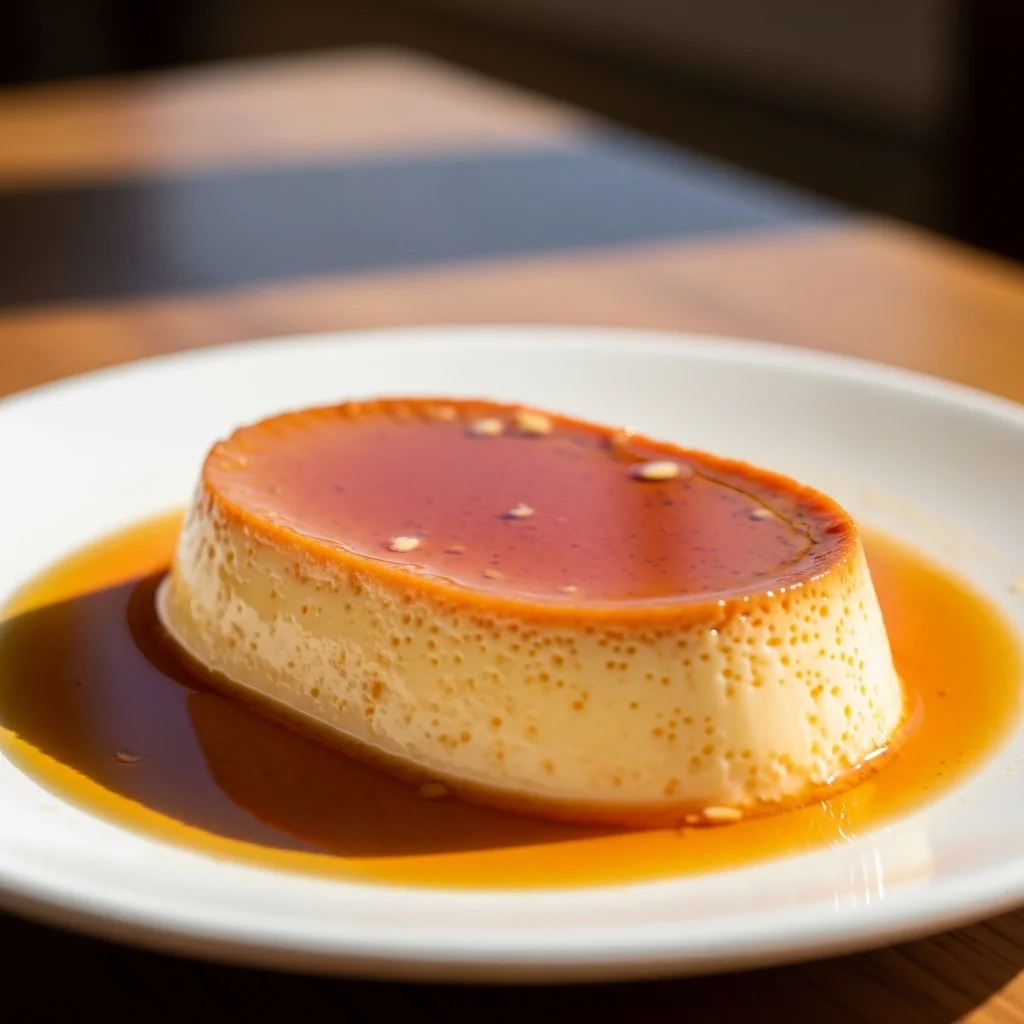
The crown jewel of Filipino desserts and one of the most silky, elegant custards in all of Asian cooking. Richer than its Spanish ancestor — made with egg yolks only and sweetened condensed milk — Filipino leche flan has a deeper, creamier texture and a more intensely golden caramel that it unmolds in a pool of amber around the custard. It is the dessert that ends every Filipino celebration and the one most likely to earn you a request to make it again immediately.
Ingredients
- 10 egg yolks (no whites — this is what makes Filipino leche flan richer than crème caramel)
- 1 can (300ml) sweetened condensed milk
- 1 can (370ml) evaporated milk
- 1 tsp vanilla extract
- Zest of 1 lime or lemon (optional but traditional)
- For the caramel: 1 cup white sugar + ¼ cup water
Instructions
Make the caramel first. Combine sugar and water in a small heavy saucepan over medium heat. Do not stir — swirl the pan gently instead. Cook for 8 to 10 minutes until the caramel turns a deep amber color. Watch it carefully as it can burn quickly at this stage. Pour immediately and evenly into the bottom of a llanera (oval flan mold) or a round cake tin. Tilt to coat the bottom evenly. Allow to set and harden — about 5 minutes.
Whisk egg yolks gently in a large bowl — do not beat vigorously as you do not want air bubbles. Add condensed milk, evaporated milk, vanilla, and lime zest and whisk gently until fully combined.
Strain the custard mixture through a fine mesh sieve directly into the prepared mold over the set caramel. This removes any stringy bits and ensures a perfectly smooth custard. Cover the mold tightly with aluminum foil.
Steam in a large steamer over medium-low heat for 40 to 45 minutes until the custard is set but still has a gentle jiggle in the center. Alternatively, bake in a water bath at 160°C (320°F) for the same time. Do not let the water in the steamer boil vigorously — gentle steam produces a smooth custard, and aggressive heat produces a pockmarked, porous one.
Allow to cool completely, then refrigerate for at least 4 hours or overnight. To unmold, run a thin knife around the edge of the custard and invert onto a deep plate so the caramel pools beautifully around the flan.
Pro Tip: Strain the custard mixture through a fine sieve and steam over medium-low — never boiling — heat. The two most common failures with leche flan are air bubbles from overmixing and a pockmarked surface from too-aggressive steam heat.