10 Versatile Sauce Recipes Every Home Cook Should Know In 2026
Sauces are the heart of flavorful cooking, transforming simple dishes into restaurant-quality meals. These 10 versatile sauces can be paired with meats, pasta, vegetables, and more, making them essential for any kitchen.
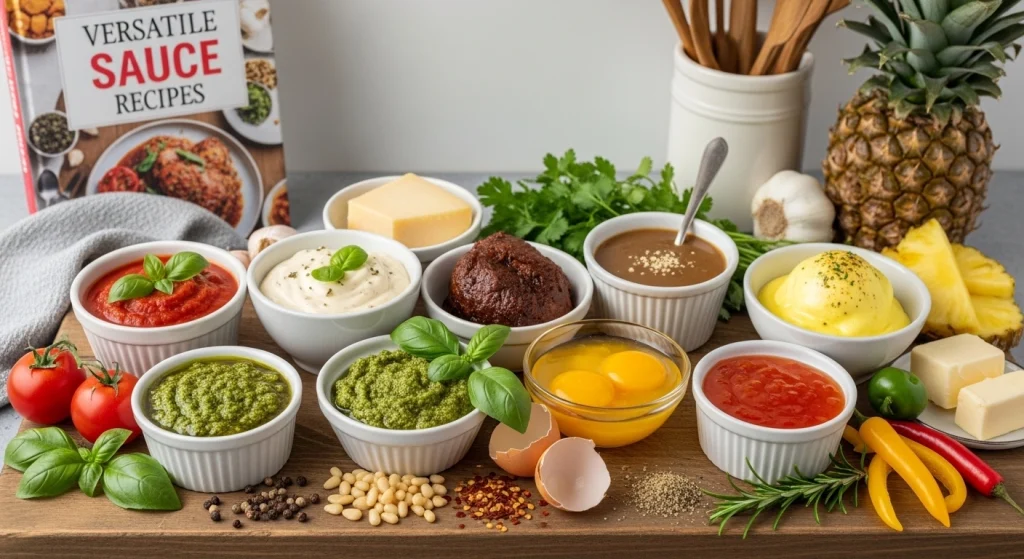
Why Sauce Recipes Are Important
A good sauce can:
- Elevate a simple dish instantly
- Balance flavors with acidity, sweetness, or spice
- Add richness, moisture, and depth to meals
- Be used in multiple dishes, saving cooking time
These 10 sauces are simple, versatile, and packed with flavor.
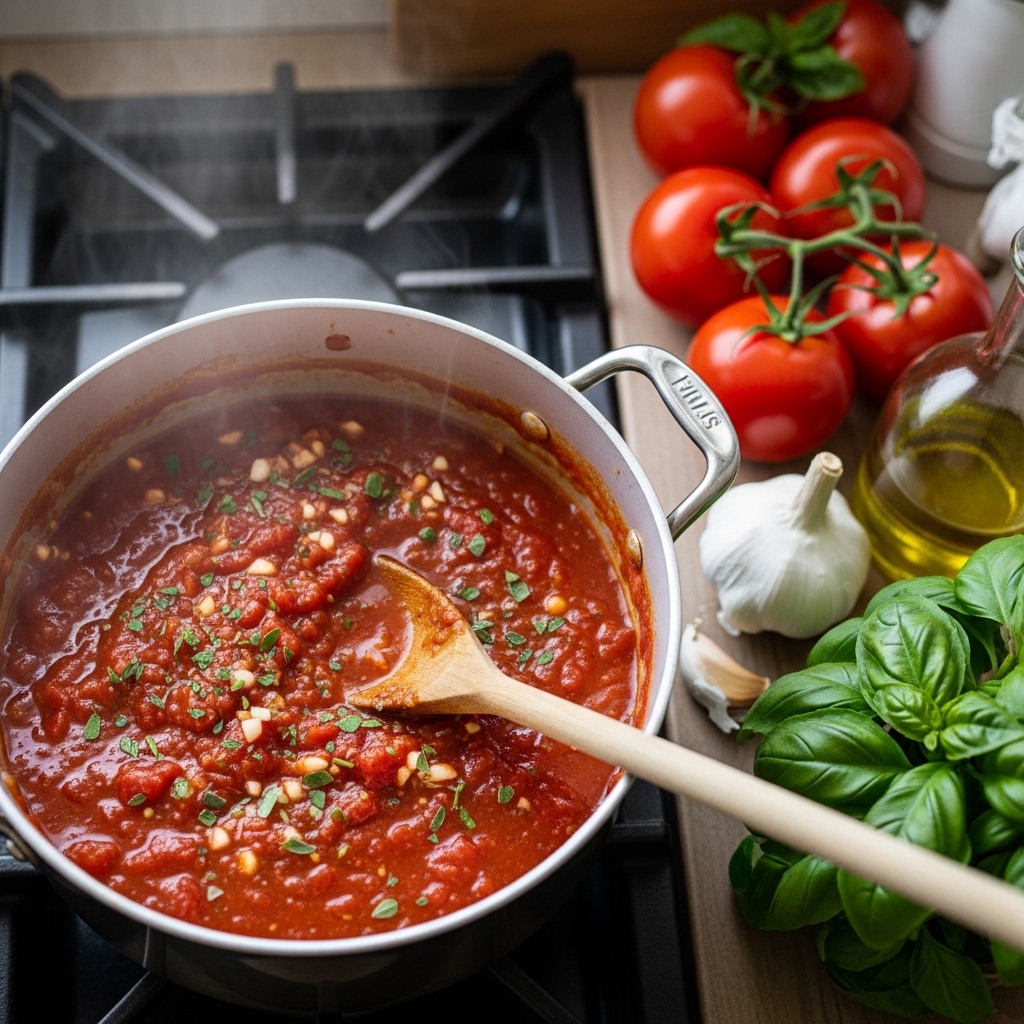
Classic Tomato Sauce
The foundation of Italian cooking, this versatile sauce transforms simple ingredients into liquid gold. The key is using quality tomatoes and allowing time for the flavors to concentrate and meld.
Ingredients:
- 800g canned San Marzano tomatoes, crushed by hand
- 4 cloves garlic, thinly sliced
- 1 medium onion, finely diced
- 1/4 cup extra virgin olive oil
- 1/4 cup fresh basil leaves, torn
- 1 tsp dried oregano
- 1 tsp salt
- 1/2 tsp black pepper
- Pinch of sugar (if needed)
Method:
Build the base: Heat olive oil in heavy-bottomed saucepan over medium heat. Add diced onion and cook until translucent, about 5 minutes.
Add aromatics: Add sliced garlic and cook until fragrant but not browned, about 1 minute. Burnt garlic will make the sauce bitter.
Add tomatoes: Add crushed tomatoes with their juices, oregano, salt, and pepper. The hand-crushed tomatoes create better texture than machine-processed.
Simmer slowly: Reduce heat to low and simmer uncovered 30-45 minutes, stirring occasionally. The sauce should reduce and thicken naturally.
Adjust seasoning: Taste and adjust salt, pepper, and add pinch of sugar if tomatoes are too acidic.
Finish with basil: Remove from heat and stir in fresh basil leaves. The residual heat will release their aroma without cooking them.
Use or store: Use immediately or cool completely before refrigerating up to 5 days or freezing up to 3 months.
Pro Tips:
San Marzano tomatoes are worth the investment for superior flavor. Don’t add basil too early – it loses its bright flavor when overcooked. The sauce should coat a spoon but not be too thick.
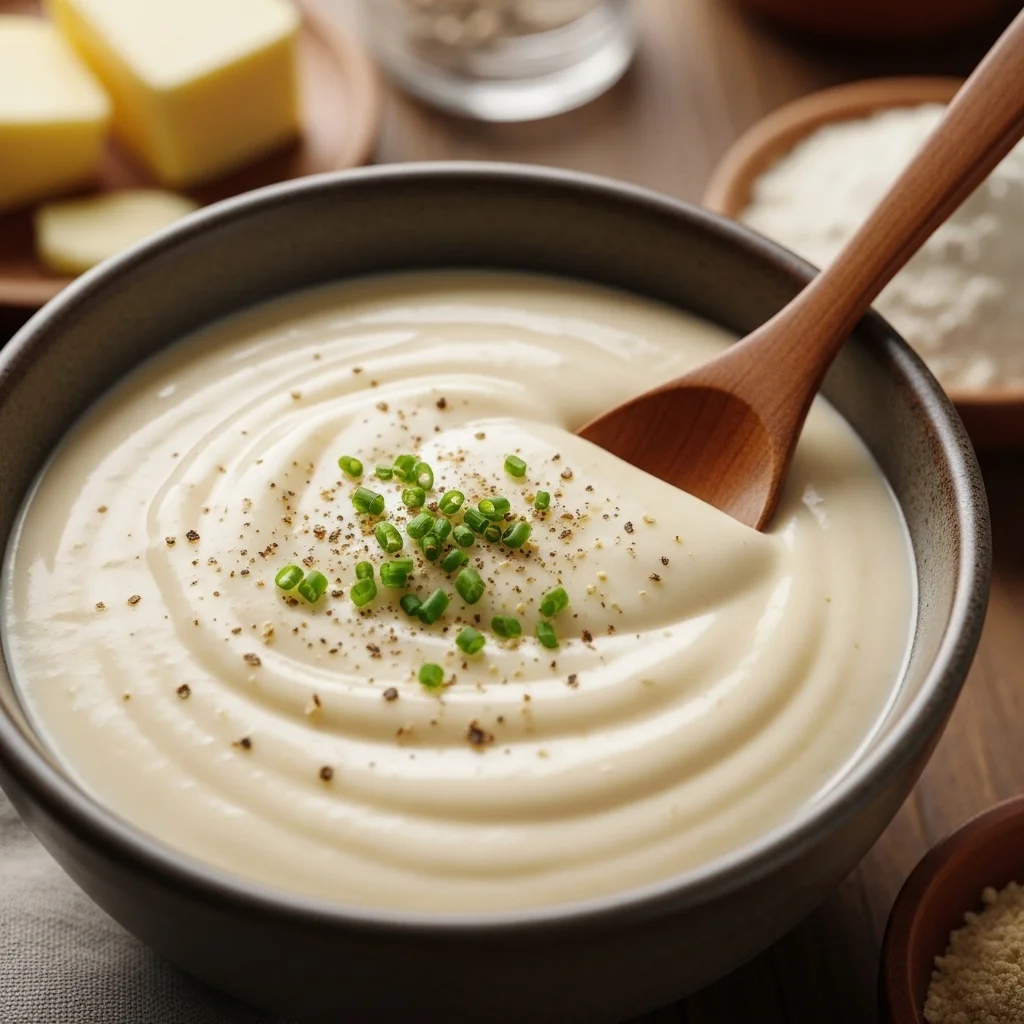
Béchamel (White Sauce)
This mother sauce of French cuisine is the creamy foundation for countless dishes. Mastering the roux technique ensures a smooth, lump-free sauce every time.
Ingredients:
- 4 tbsp butter
- 4 tbsp plain flour
- 500ml whole milk, warmed
- Pinch of nutmeg
- 1/2 tsp salt
- 1/4 tsp white pepper
- 1 bay leaf (optional)
Method:
Make the roux: Melt butter in heavy saucepan over medium heat. Add flour and whisk constantly for 2-3 minutes to cook out raw flour taste.
Add milk gradually: Remove from heat and add warm milk slowly, whisking constantly. Start with just a splash, whisking until smooth before adding more.
Return to heat: Once all milk is incorporated, return to medium heat and cook, whisking constantly, until sauce thickens and coats the back of a spoon.
Season properly: Add salt, white pepper, nutmeg, and bay leaf if using. Simmer gently 5 minutes to develop flavors.
Strain if needed: For ultra-smooth sauce, strain through fine-mesh sieve. Remove bay leaf before using.
Prevent skin: Press plastic wrap directly onto surface if not using immediately to prevent skin forming.
Pro Tips:
Warm milk prevents lumps and helps create smooth texture. The sauce should coat a spoon but pour easily. If lumps form, strain or use immersion blender to smooth.
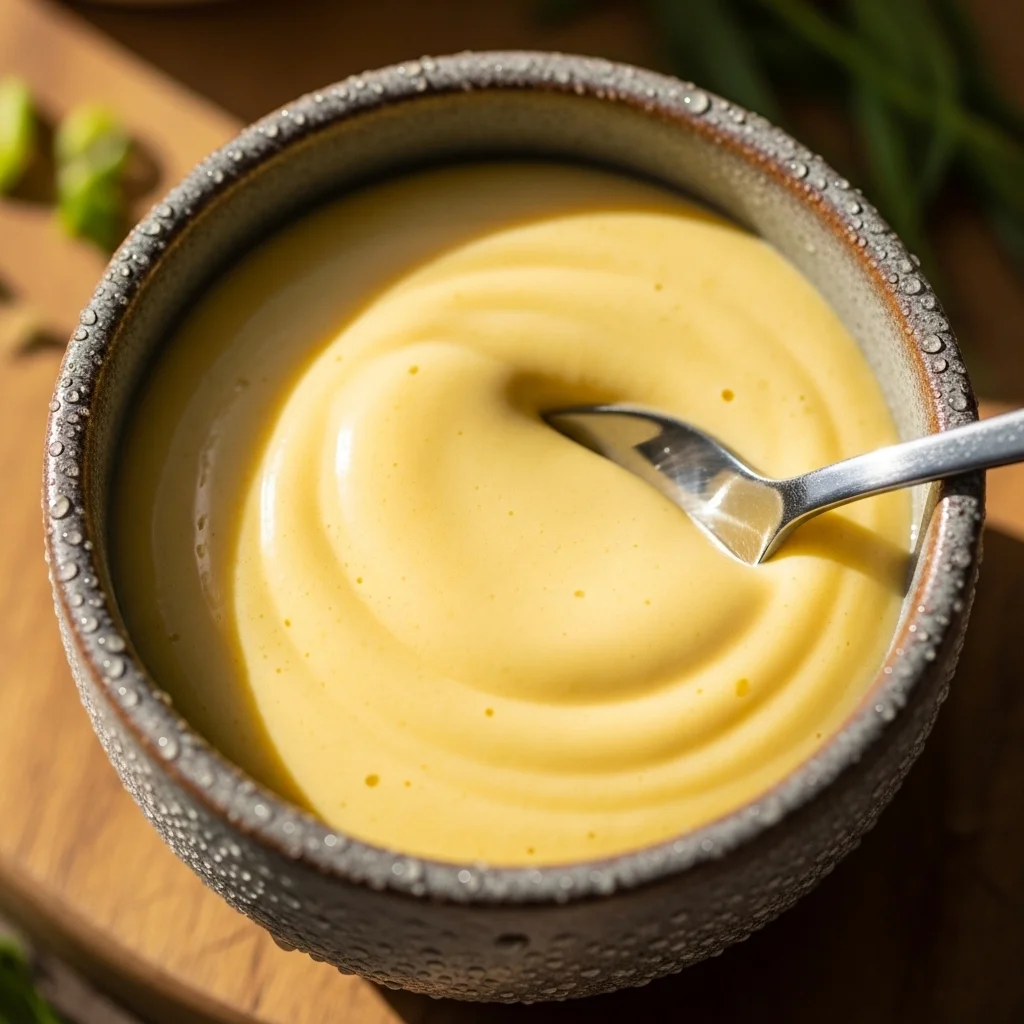
Hollandaise Sauce
This luxurious emulsion sauce requires technique but rewards with rich, buttery perfection. The key is gentle heat and constant whisking to create stable emulsion.
Ingredients:
- 3 large egg yolks
- 2 tbsp fresh lemon juice
- 150g butter, melted and warm
- Pinch of cayenne pepper
- 1/2 tsp salt
- 1 tbsp warm water (if needed)
Method:
Set up double boiler: Place heatproof bowl over saucepan of barely simmering water. Bowl shouldn’t touch water.
Whisk egg yolks: In the bowl, whisk egg yolks with lemon juice until pale and slightly thickened, about 2 minutes.
Add butter slowly: Remove bowl from heat and slowly drizzle in warm melted butter while whisking constantly. Start with drops, then thin stream.
Return to gentle heat: If sauce seems too thick, return to double boiler briefly, whisking constantly. Don’t let it get too hot or it will curdle.
Season and adjust: Add salt and cayenne. If too thick, whisk in warm water a teaspoon at a time.
Serve immediately: Hollandaise is best served warm and fresh. It can be kept warm in double boiler for short time.
Fix if broken: If sauce breaks, whisk 1 egg yolk with 1 tbsp warm water in clean bowl, then slowly whisk in broken sauce.
Pro Tips:
Use clarified butter for most stable emulsion. The sauce should coat a spoon and be pourable. Don’t let it get too hot or the eggs will scramble.
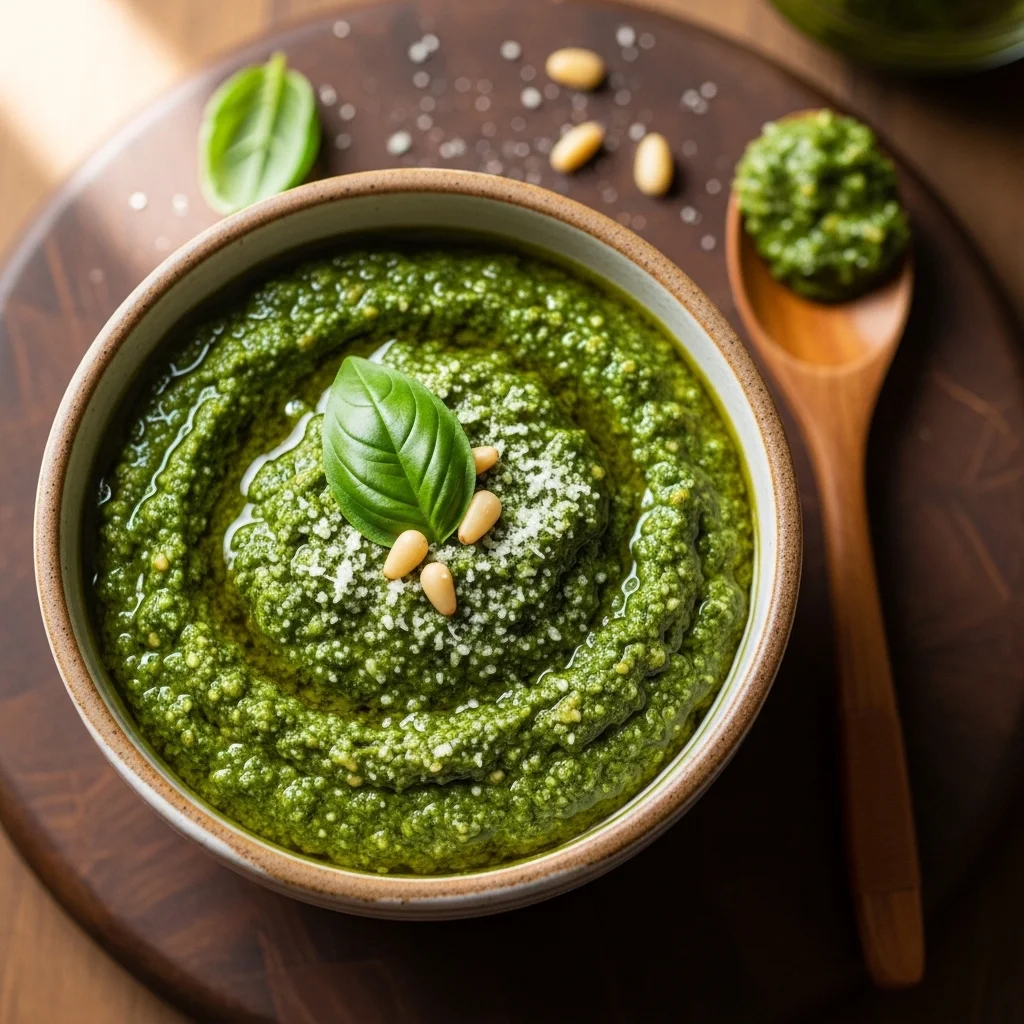
Pesto Sauce
This Ligurian classic captures summer in a jar. The key is using the freshest basil and proper technique to preserve the bright green color and vibrant flavor.
Ingredients:
- 60g fresh basil leaves, packed
- 3 cloves garlic, peeled
- 60g pine nuts, lightly toasted
- 80g Parmigiano-Reggiano, grated
- 120ml extra virgin olive oil
- 1/2 tsp salt
- Freshly ground black pepper
Method:
Prepare basil: Wash basil gently and pat completely dry. Remove any thick stems. Wet basil will dilute the pesto.
Toast pine nuts: Lightly toast pine nuts in dry pan until golden. This enhances their nutty flavor. Let cool completely.
Process in stages: In food processor, pulse garlic until minced. Add pine nuts and pulse until roughly chopped.
Add basil: Add basil leaves and salt. Pulse until roughly chopped, scraping sides as needed.
Stream in oil: With processor running, slowly drizzle in olive oil until desired consistency is reached. Don’t over-process or it will become bitter.
Add cheese: Pulse in grated Parmesan just until combined. Over-processing makes it gummy.
Adjust seasoning: Taste and adjust salt and pepper. The pesto should be bright green and aromatic.
Store properly: Press plastic wrap directly on surface to prevent oxidation. Refrigerate up to 1 week or freeze up to 6 months.
Pro Tips:
For brightest color, blanch basil in boiling water for 10 seconds, then shock in ice water before using. Add a squeeze of lemon juice to prevent browning.
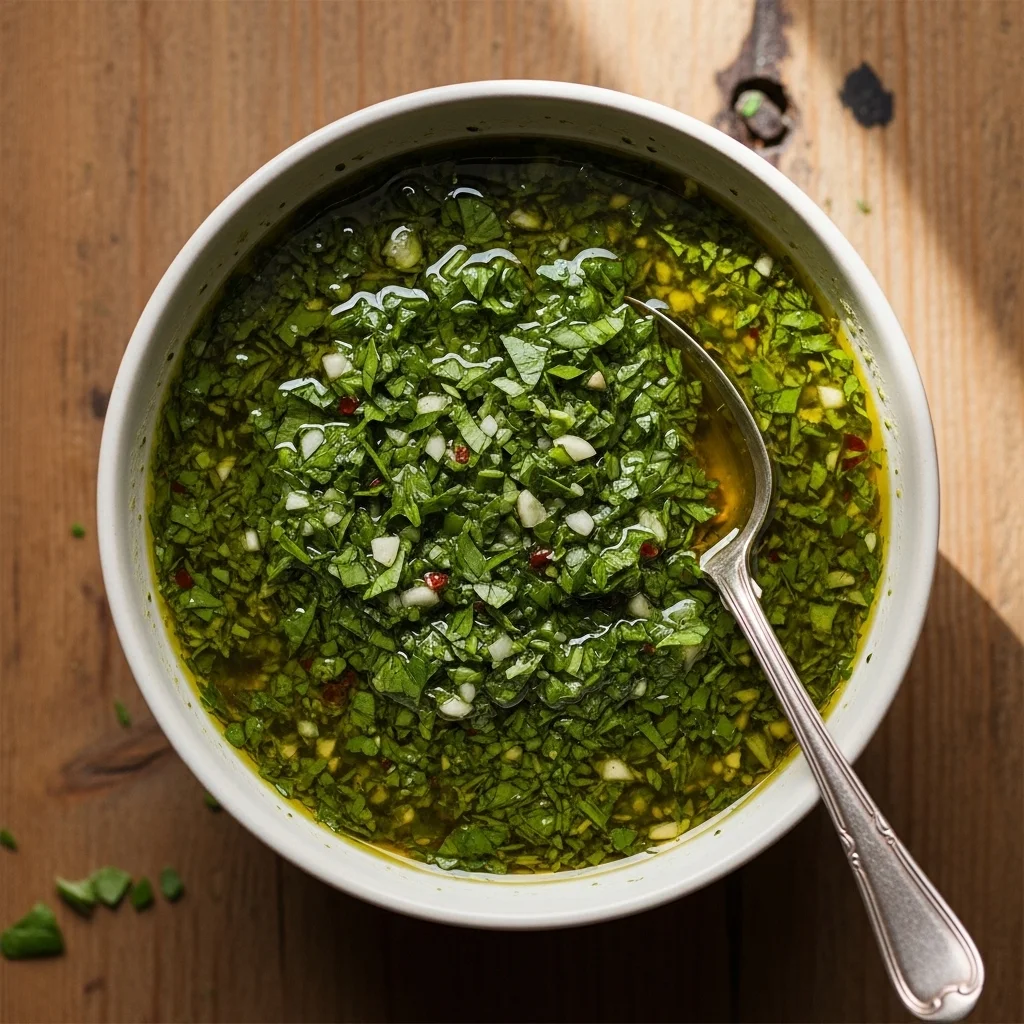
Chimichurri
This vibrant Argentine sauce brings fresh, herbaceous flavor to grilled meats. The key is balancing the herbs, acid, and oil for the perfect consistency and tang.
Ingredients:
- 1 cup fresh parsley leaves, finely chopped
- 1/4 cup fresh oregano leaves, chopped
- 4 cloves garlic, minced
- 2 shallots, finely minced
- 1/3 cup red wine vinegar
- 1/2 cup extra virgin olive oil
- 1 tsp red pepper flakes
- 1 tsp salt
- 1/2 tsp black pepper
Method:
Prepare herbs: Wash and thoroughly dry parsley and oregano. Chop finely by hand – food processor makes it too fine and releases too much moisture.
Combine aromatics: In medium bowl, combine chopped herbs, minced garlic, and shallots. The shallots add sweetness and complexity.
Add acid: Stir in red wine vinegar and let sit 5 minutes. This allows the acid to mellow the raw garlic and shallots.
Add oil and seasonings: Whisk in olive oil, red pepper flakes, salt, and black pepper until well combined.
Rest for flavor: Let chimichurri sit at room temperature 30 minutes before serving. This allows flavors to meld and develop.
Adjust to taste: Taste and adjust vinegar for more tang, oil for richness, or salt for seasoning.
Store and serve: Can be refrigerated up to 1 week. Bring to room temperature before serving for best flavor.
Pro Tips:
Hand-chopping herbs creates better texture than food processor. The sauce should be chunky, not smooth. It’s excellent on grilled meats, roasted vegetables, or as a marinade.
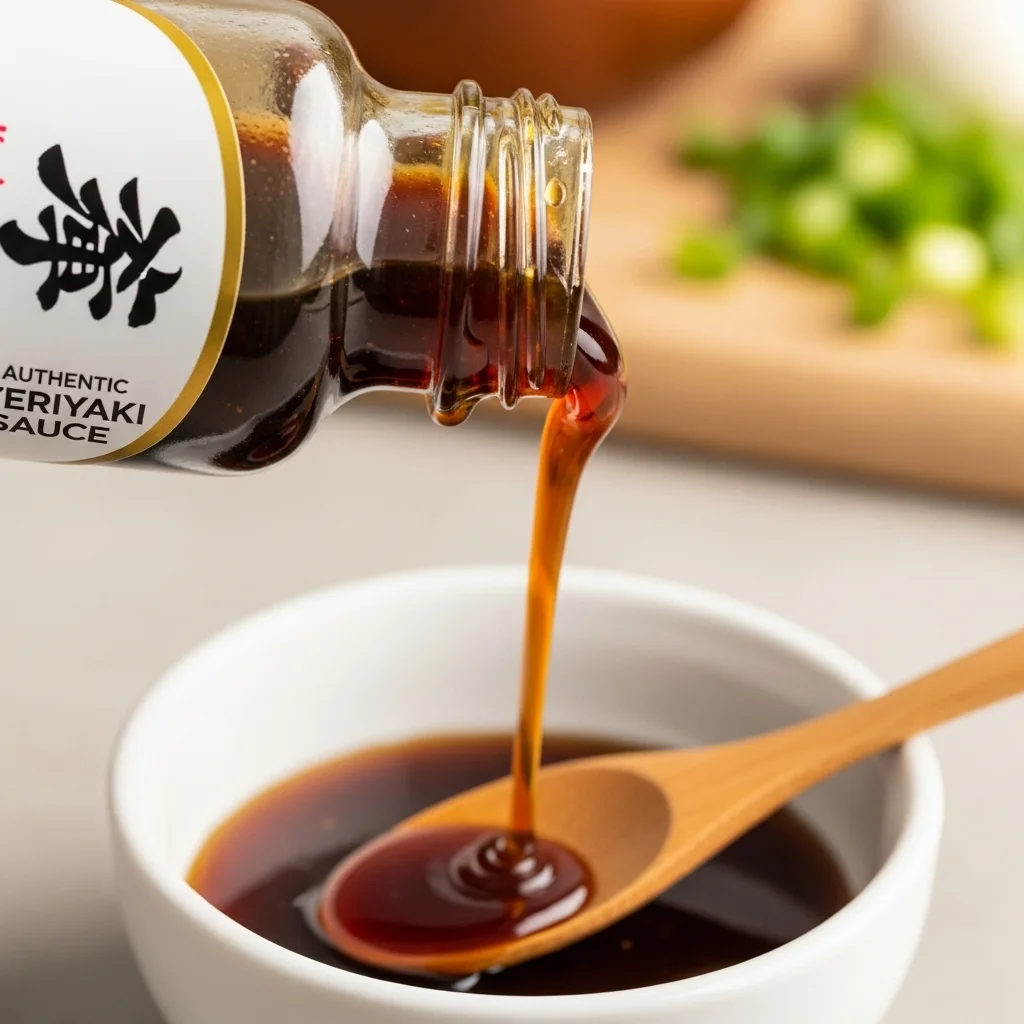
Teriyaki Sauce
This Japanese glaze balances sweet, salty, and umami flavors perfectly. The key is achieving the right consistency – thick enough to coat but not too syrupy.
Ingredients:
- 1/2 cup soy sauce
- 1/4 cup mirin (sweet rice wine)
- 1/4 cup sake or dry white wine
- 3 tbsp brown sugar
- 2 cloves garlic, minced
- 1 tbsp fresh ginger, grated
- 1 tsp cornstarch mixed with 2 tsp water (optional)
Method:
Combine base ingredients: In small saucepan, whisk together soy sauce, mirin, sake, and brown sugar until sugar dissolves.
Add aromatics: Add minced garlic and grated ginger. Fresh ginger is essential for authentic flavor.
Simmer to concentrate: Bring to boil, then reduce heat and simmer 8-10 minutes until sauce reduces by about one-third.
Check consistency: The sauce should coat the back of a spoon. If too thin, whisk in cornstarch slurry and simmer 1 minute more.
Strain if desired: For smooth sauce, strain out garlic and ginger pieces. For more texture, leave them in.
Cool and store: Let cool completely before storing. Refrigerate up to 2 weeks.
Use as glaze: Brush on meats during last few minutes of cooking for beautiful caramelized finish.
Pro Tips:
Don’t let it reduce too much or it becomes too salty. The sauce should be glossy and coat food nicely. Great for marinating as well as glazing.
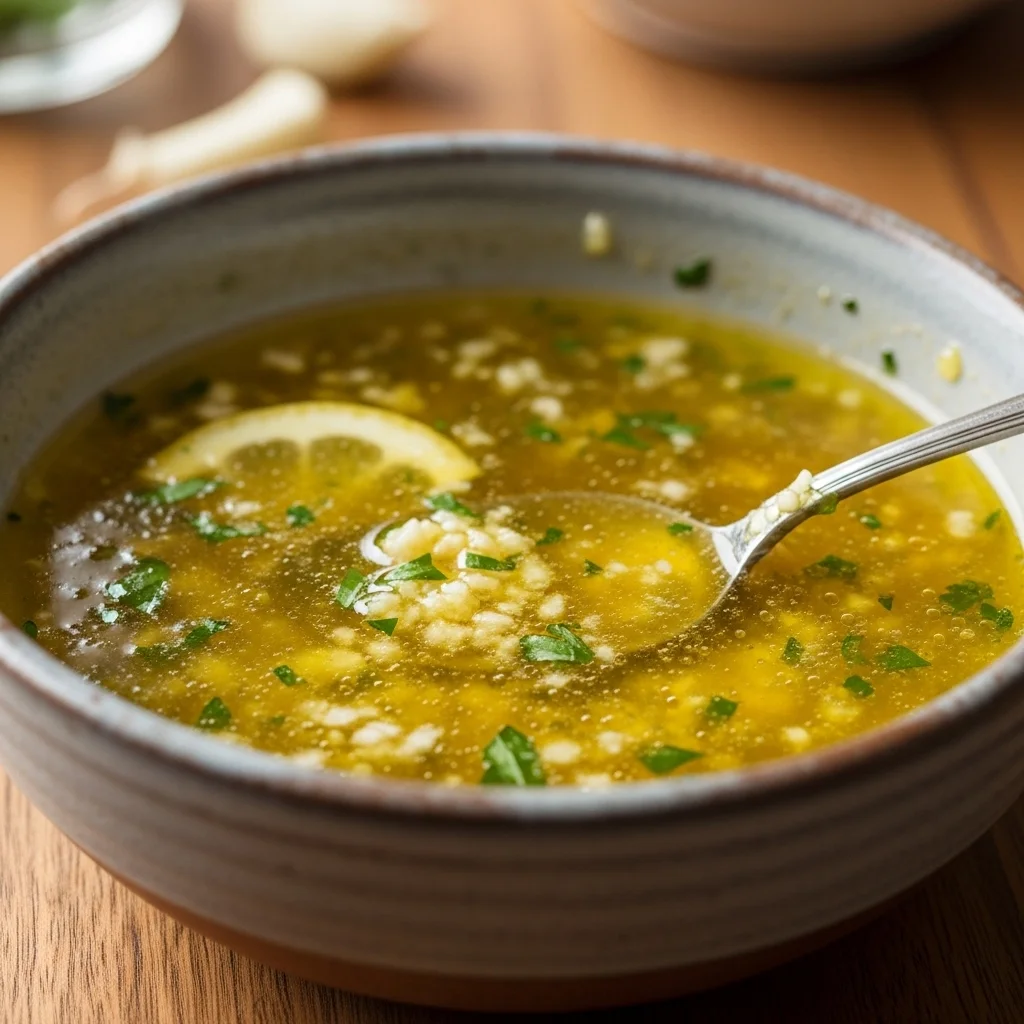
Garlic Butter Sauce
This simple but elegant sauce elevates everything it touches. The key is cooking the garlic just enough to mellow its bite without browning it.
Ingredients:
- 100g butter
- 6 cloves garlic, minced
- 2 tbsp fresh lemon juice
- 2 tbsp fresh parsley, chopped
- 1 tbsp fresh chives, chopped
- 1/2 tsp salt
- 1/4 tsp black pepper
- Pinch of red pepper flakes (optional)
Method:
Melt butter gently: In small saucepan, melt butter over medium-low heat. Don’t let it brown unless you want nutty flavor.
Cook garlic carefully: Add minced garlic and cook gently 1-2 minutes until fragrant but not browned. Burnt garlic is bitter.
Add acid: Remove from heat and stir in lemon juice. It will sizzle and foam slightly.
Add herbs: Stir in chopped parsley, chives, salt, pepper, and red pepper flakes if using.
Adjust seasoning: Taste and adjust lemon juice, salt, or herbs as needed.
Serve warm: Best served immediately while warm. Can be kept warm in double boiler for short time.
Versatile uses: Perfect for seafood, pasta, vegetables, or as bread dip.
Pro Tips:
Use fresh herbs for best flavor and color. The sauce should be aromatic and bright. Don’t overheat or the butter will separate.
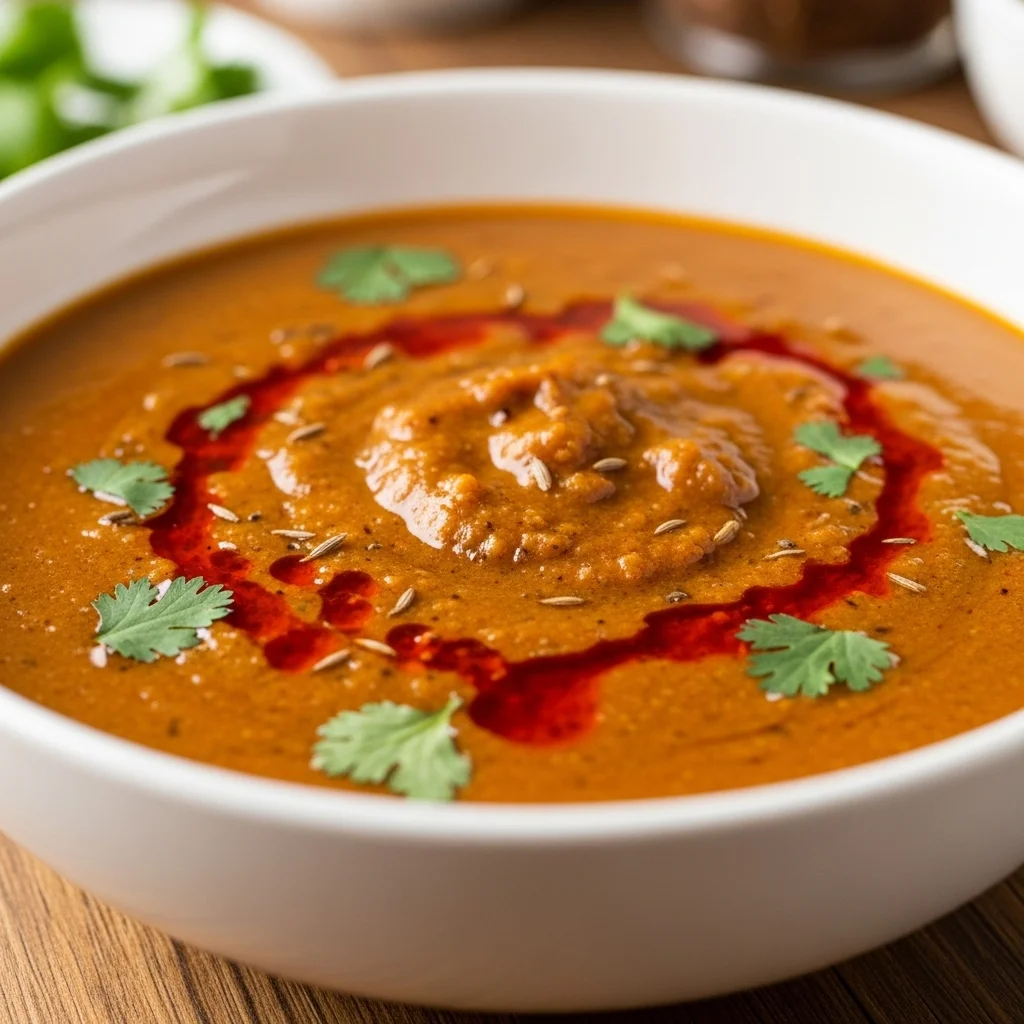
Curry Sauce
This aromatic sauce forms the base for countless curry dishes. The key is properly blooming the spices and building layers of flavor.
Ingredients:
- 2 tbsp vegetable oil
- 1 large onion, finely diced
- 4 cloves garlic, minced
- 2 tbsp fresh ginger, grated
- 2 tsp ground cumin
- 2 tsp ground coriander
- 1 tsp turmeric
- 1 tsp garam masala
- 1/2 tsp cayenne pepper
- 400g canned diced tomatoes
- 400ml coconut milk
- 1 tsp salt
- Fresh cilantro for garnish
Method:
Build aromatic base: Heat oil in large saucepan over medium heat. Add diced onion and cook until golden, about 8 minutes.
Add aromatics: Add garlic and ginger, cooking until fragrant, about 1 minute.
Bloom the spices: Add cumin, coriander, turmeric, garam masala, and cayenne. Cook 30 seconds until fragrant. This releases essential oils.
Add tomatoes: Add diced tomatoes and cook 5 minutes until they break down and create thick base.
Add coconut milk: Stir in coconut milk and salt. Bring to simmer and cook 15 minutes until sauce thickens.
Adjust consistency: The sauce should coat a spoon but not be too thick. Add water if needed.
Season and serve: Taste and adjust salt and spices. Garnish with fresh cilantro.
Pro Tips:
Don’t skip blooming the spices – it’s crucial for flavor development. Full-fat coconut milk creates richest sauce. This base works for chicken, vegetables, or seafood.
Barbecue Sauce
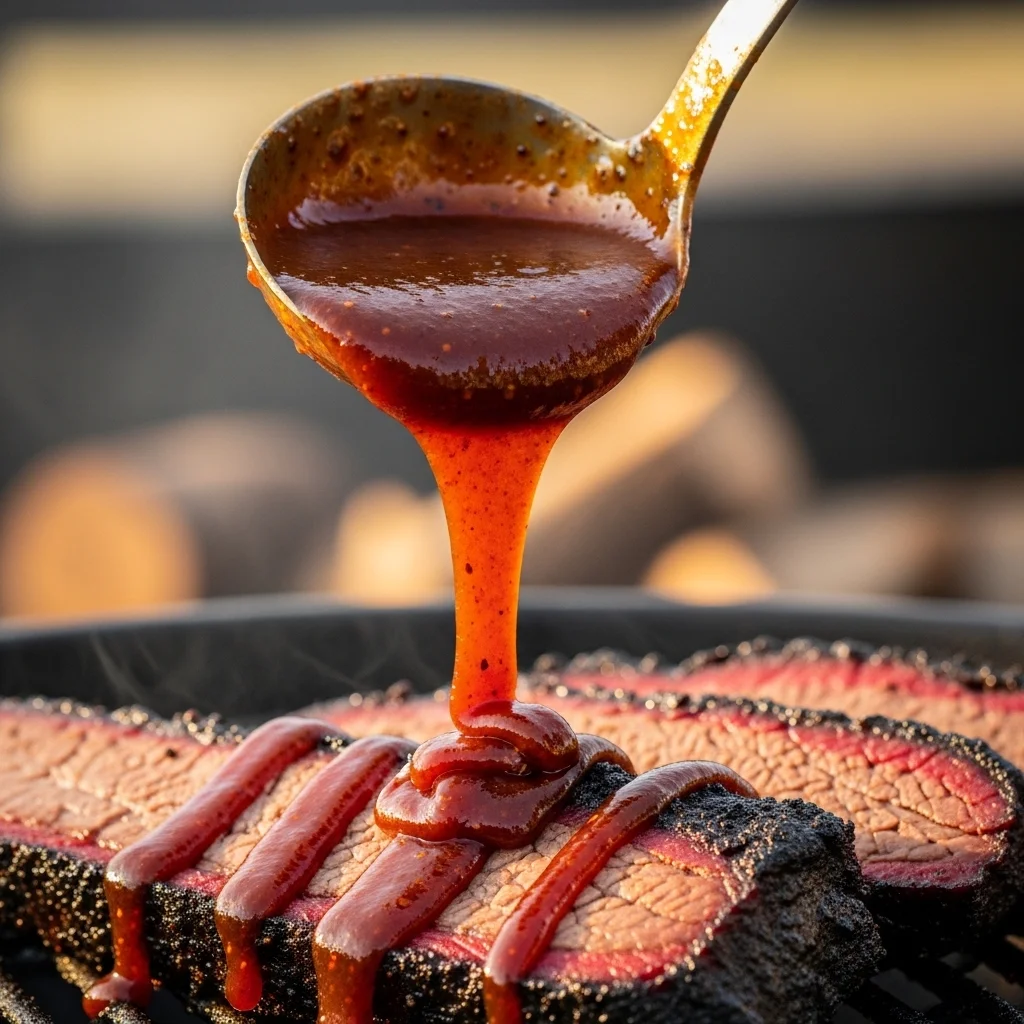
This tangy, sweet, and smoky sauce is perfect for grilling season. The key is balancing all the flavors and allowing time for them to meld together.
Ingredients:
- 1 cup ketchup
- 1/4 cup apple cider vinegar
- 1/4 cup brown sugar
- 2 tbsp Worcestershire sauce
- 1 tbsp Dijon mustard
- 2 tsp smoked paprika
- 1 tsp garlic powder
- 1 tsp onion powder
- 1/2 tsp cayenne pepper
- 1/2 tsp salt
- 1/4 tsp black pepper
Method:
Combine base ingredients: In medium saucepan, whisk together ketchup, vinegar, brown sugar, and Worcestershire sauce.
Add seasonings: Whisk in mustard, smoked paprika, garlic powder, onion powder, cayenne, salt, and pepper.
Simmer to develop: Bring to boil, then reduce heat and simmer 20-30 minutes, stirring occasionally. The sauce should thicken and flavors should meld.
Adjust balance: Taste and adjust sweetness (brown sugar), tang (vinegar), heat (cayenne), or smokiness (paprika).
Strain if desired: For smooth sauce, strain through fine-mesh sieve. For texture, leave as is.
Cool and store: Let cool completely before storing. Refrigerate up to 1 month.
Use for grilling: Brush on meats during last 10 minutes of cooking to prevent burning.
Pro Tips:
Don’t add sauce too early when grilling – the sugars will burn. The sauce should balance sweet, tangy, and smoky flavors. Great as dipping sauce too.
See Also: Delectable French Dinner Recipes
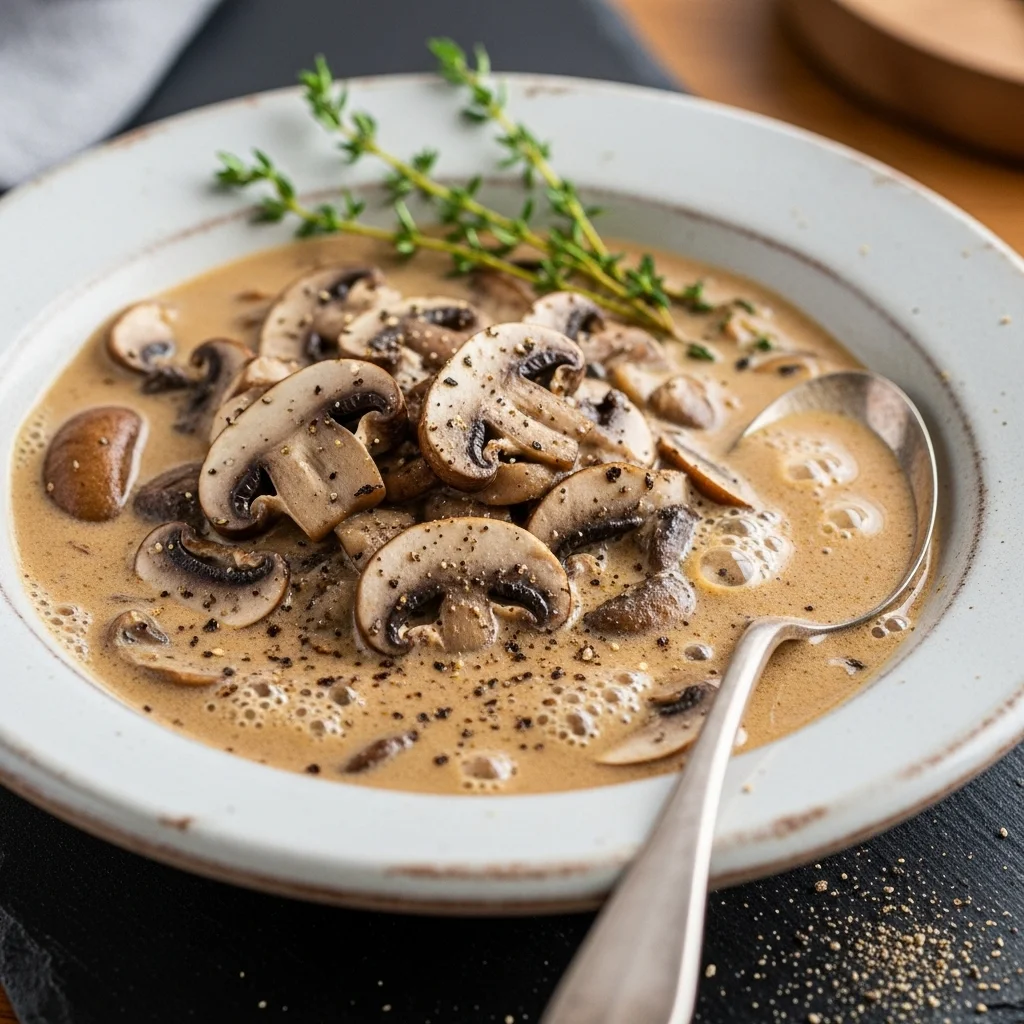
Mushroom Sauce
This rich, earthy sauce transforms simple mushrooms into liquid umami. The key is properly cooking the mushrooms to develop deep flavor and achieving the right creamy consistency.
Ingredients:
- 500g mixed mushrooms (button, cremini, shiitake), sliced
- 3 tbsp butter
- 2 shallots, minced
- 3 cloves garlic, minced
- 1/4 cup dry white wine
- 200ml heavy cream
- 2 tbsp fresh thyme leaves
- 1 tbsp fresh parsley, chopped
- Salt and black pepper
Method:
Cook mushrooms properly: Heat 2 tbsp butter in a large skillet over medium-high heat. Add mushrooms in single layer and cook without stirring 4-5 minutes until golden.
Continue browning: Stir and cook 3-4 minutes more until mushrooms are golden brown and have released their moisture.
Add aromatics: Add remaining butter, minced shallots, and garlic. Cook until fragrant, about 1 minute.
Deglaze: Add white wine and scrape up any browned bits. Cook until wine reduces by half.
Add cream: Pour in cream and thyme. Simmer gently 5-8 minutes until sauce thickens enough to coat mushrooms.
Season and finish: Season with salt and pepper. Stir in fresh parsley just before serving.
Serve immediately: Best served hot over steak, chicken, pasta, or vegetables.
Pro Tips:
Don’t overcrowd mushrooms or they’ll steam instead of brown. The browning creates deep, rich flavor. Use mix of mushroom types for complexity.