12 Delectable French Dinner Recipes to Try at Home
French cuisine is elegant, rich, and full of flavor, offering both comfort and sophistication. These 12 dinner recipes showcase classic French flavors, from creamy sauces to hearty meats and fresh herbs, perfect for family meals or special occasions.
Why French Dinner Recipes Are Special
French dinners are known for:
- Creamy sauces, butter, and wine-based flavors
- Fresh herbs like thyme, rosemary, tarragon, and parsley
- Balanced and refined flavor profiles
- Classic techniques such as braising, roasting, and pan-searing
These recipes are perfect for anyone looking to bring French elegance into their home kitchen.
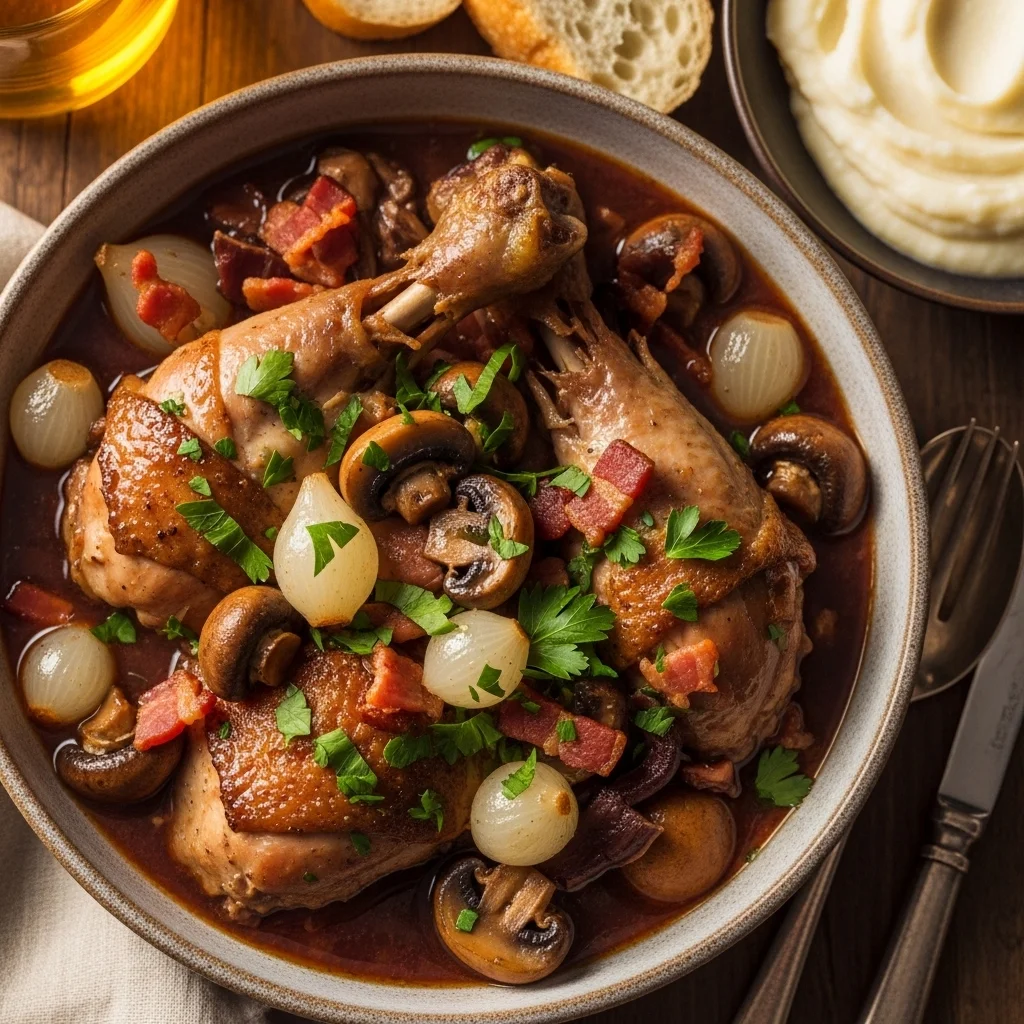
Coq au Vin
This legendary Burgundian dish transforms humble chicken into something sublime through the alchemy of wine braising. The overnight marinade and slow cooking create layers of complex flavor that epitomize French country cooking.
Ingredients:
- 1 whole chicken, cut into 8 pieces
- 750ml full-bodied red wine (Burgundy or Côtes du Rhône)
- 200g thick-cut bacon, diced
- 250g pearl onions, peeled
- 300g button mushrooms, halved
- 3 cloves garlic, minced
- 2 tbsp cognac or brandy
- 2 tbsp flour
- 2 tbsp butter
- 2 bay leaves
- 3 sprigs fresh thyme
- Fresh parsley for garnish
- Salt and pepper
Method:
Marinate overnight: Place chicken pieces in wine with bay leaves and thyme. Cover and refrigerate overnight. This tenderizes the meat and infuses deep flavor.
Prepare for cooking: Remove chicken and pat dry. Strain and reserve marinade. Season chicken with salt and pepper.
Render bacon: In heavy Dutch oven, cook diced bacon until crispy. Remove bacon, leaving fat in pot.
Brown the chicken: Brown chicken pieces in bacon fat on all sides, about 12 minutes total. Remove and set aside.
Sauté vegetables: Add pearl onions and mushrooms to pot. Cook until golden, about 8 minutes. Add garlic and cook until fragrant.
Flambé carefully: Add cognac and ignite carefully (stand back). Let flames die down naturally.
Build the braise: Return chicken and bacon to pot. Sprinkle with flour and stir. Add reserved marinade and bring to simmer.
Slow braise: Cover and simmer gently 45 minutes until chicken is tender and sauce has thickened.
Finish with butter: Swirl in cold butter for glossy finish. Garnish with parsley and serve with crusty bread.
Pro Tips:
The overnight marinade is crucial for authentic flavor. Use a wine you’d drink – it concentrates during cooking.
Boeuf Bourguignon
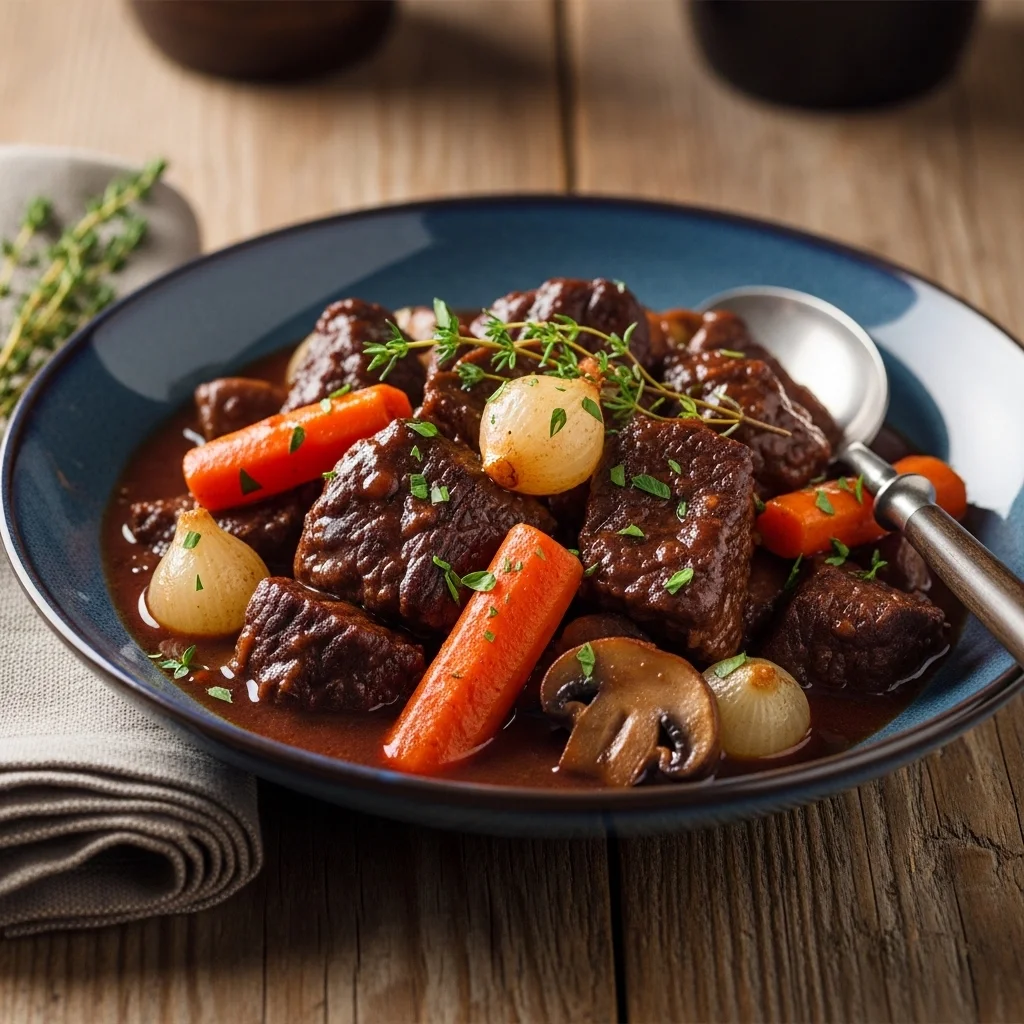
Julia Child made this dish famous, but it’s been perfecting itself in Burgundy for centuries. The key is patience – slow cooking transforms tough beef into fork-tender perfection while the wine creates an incredibly rich sauce.
Ingredients:
- 1.5 kg beef chuck, cut in 5cm cubes
- 750ml red Burgundy wine
- 200g thick bacon, diced
- 450g pearl onions, peeled
- 500g mushrooms, quartered
- 3 carrots, cut in chunks
- 3 cloves garlic, minced
- 2 tbsp tomato paste
- 3 tbsp flour
- 2 tbsp butter
- 2 bay leaves
- 3 sprigs thyme
- Beef stock as needed
- Fresh parsley for garnish
Method:
Prepare the beef: Pat beef cubes completely dry and season generously with salt and pepper. Moisture prevents proper browning.
Brown in batches: In heavy Dutch oven, brown beef cubes in batches without overcrowding. This takes patience but creates essential flavor base.
Build flavor foundation: Remove beef and cook bacon until crispy. Add onions and carrots, cooking until lightly browned.
Create the roux: Sprinkle flour over vegetables and cook 2 minutes. Add tomato paste and cook 1 minute more.
Deglaze and braise: Return beef to pot, add wine, herbs, and enough stock to barely cover. Bring to simmer, cover, and cook in 325°F oven for 2-2.5 hours.
Add mushrooms: In final 30 minutes, add mushrooms. The beef should be fork-tender and sauce should coat a spoon.
Finish elegantly: Remove herbs, swirl in cold butter, and garnish with fresh parsley. Serve with mashed potatoes or egg noodles.
Pro Tips:
Don’t skip the browning step – it’s where the flavor develops. The stew improves overnight, so make it a day ahead. Strain the sauce if you want it perfectly smooth.
Ratatouille (Vegetable Stew)
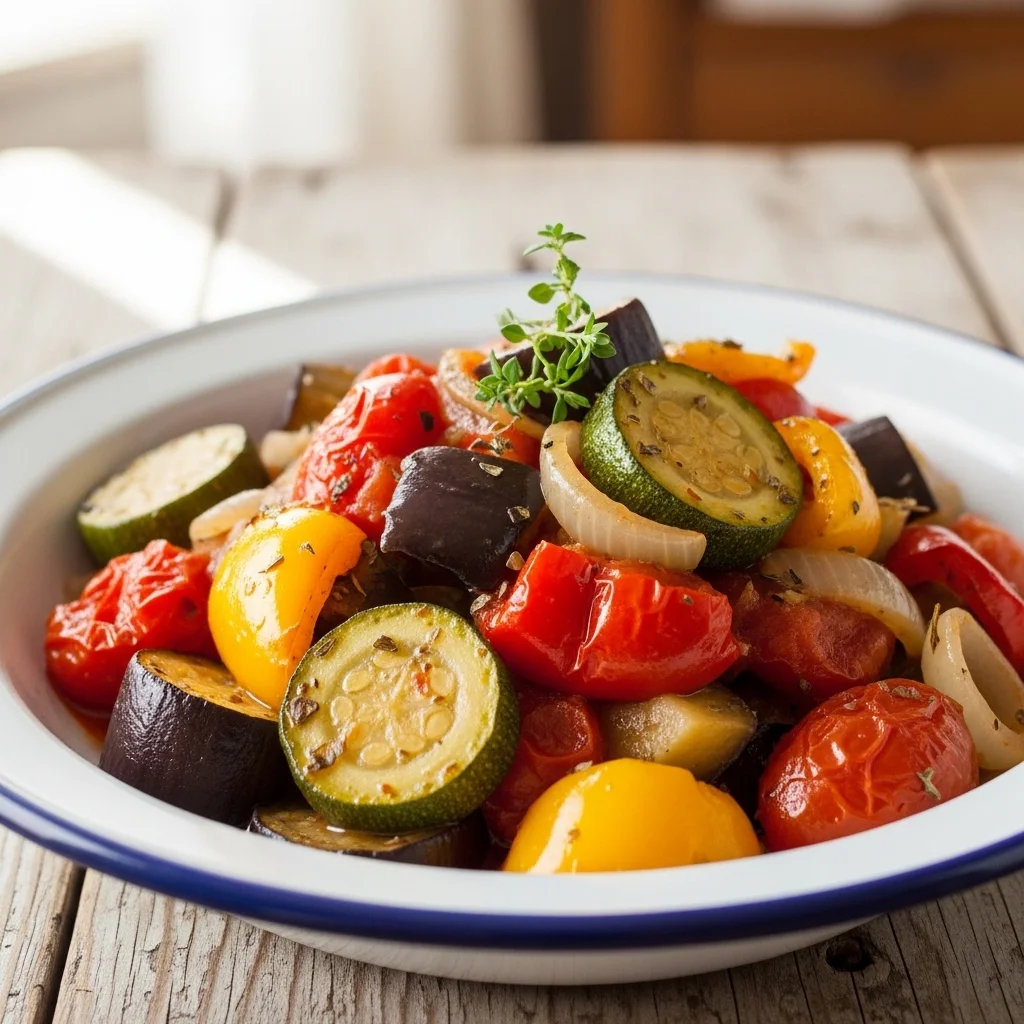
This Provençal masterpiece celebrates summer vegetables in their full glory. The key is cooking each vegetable separately to maintain distinct textures and flavors, then combining them harmoniously.
Ingredients:
- 1 large eggplant, cubed
- 2 zucchini, sliced
- 2 bell peppers (red and yellow), strips
- 4 large tomatoes, chopped
- 1 large onion, sliced
- 4 cloves garlic, minced
- 1/4 cup olive oil
- 2 tbsp fresh basil, chopped
- 1 tbsp fresh thyme
- 2 tsp herbes de Provence
- Salt and pepper
- Fresh herbs for garnish
Method:
Prepare eggplant: Salt cubed eggplant and let drain 30 minutes. This removes bitterness and excess moisture. Pat dry before cooking.
Cook vegetables separately: Heat olive oil in large skillet. Cook each vegetable separately until just tender – eggplant (8 minutes), zucchini (5 minutes), peppers (6 minutes).
Build the base: In same pan, cook onions until translucent. Add garlic and cook until fragrant.
Add tomatoes: Add chopped tomatoes and herbs. Cook 10 minutes until tomatoes break down and create sauce base.
Combine thoughtfully: Return all vegetables to pot in reverse order of cooking time – peppers first, then eggplant, finally zucchini.
Gentle finish: Simmer together 15 minutes, stirring gently to avoid breaking vegetables. Season with salt, pepper, and fresh herbs.
Serve versatile: Excellent hot as main dish, room temperature as side, or cold as appetizer with crusty bread.
Pro Tips:
Don’t overcook the vegetables – they should retain some texture. The dish improves as it sits and flavors meld. Can be made entirely ahead and reheated gently.
Duck à l’Orange
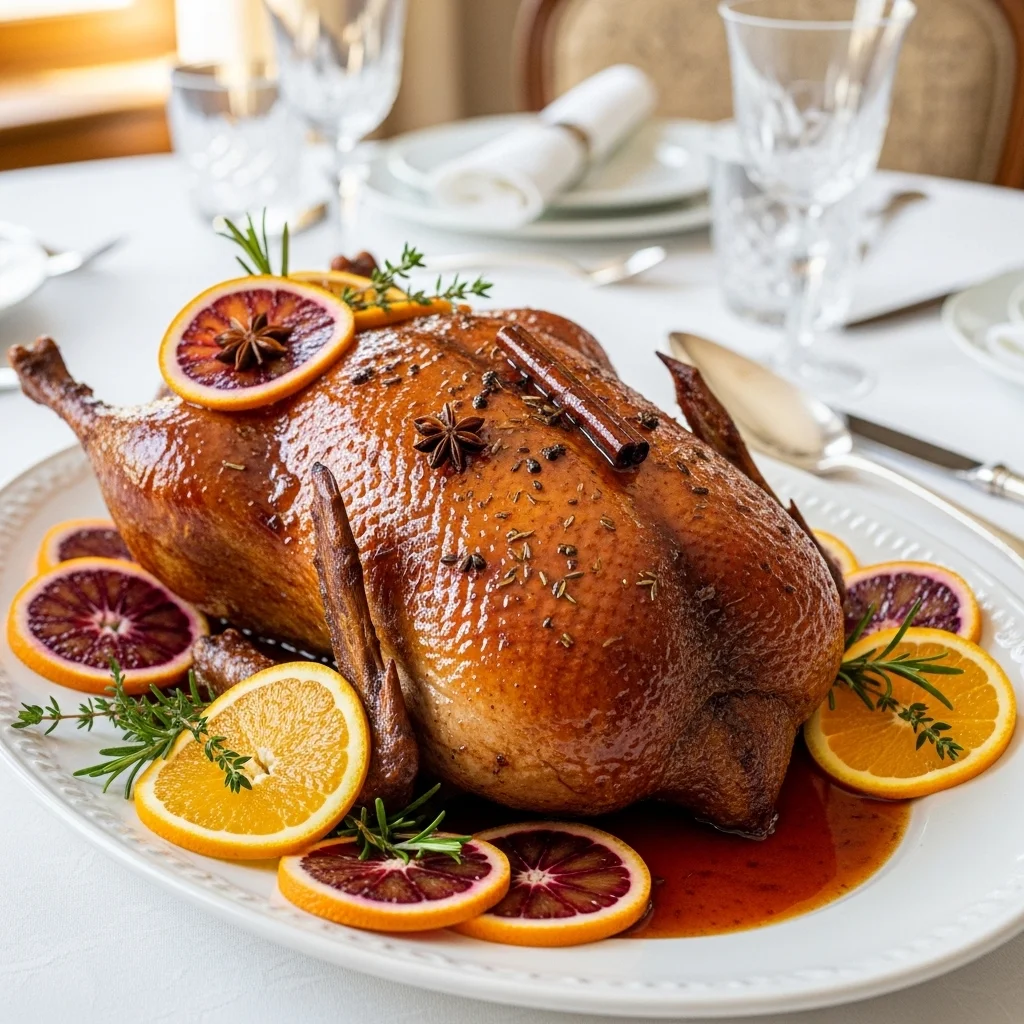
This classic showcases French technique at its finest – achieving crispy skin while keeping meat moist, then balancing rich duck with bright citrus sauce. The contrast of flavors and textures is pure elegance.
Ingredients:
- 1 whole duck (2-2.5 kg)
- 4 large oranges (juice and zest)
- 2 tbsp honey
- 2 tbsp Grand Marnier or orange liqueur
- 2 tbsp red wine vinegar
- 1 cup chicken stock
- 2 tbsp butter
- 1 tbsp cornstarch
- Salt and pepper
- Fresh thyme sprigs
Method:
Prepare the duck: Score skin in crosshatch pattern, cutting through fat but not meat. This helps render fat and crisp skin. Season inside and out.
Roast for crispy skin: Place on rack in roasting pan. Roast at 425°F for 20 minutes, then reduce to 350°F. Continue roasting 20 minutes per pound.
Render fat properly: Prick skin every 30 minutes to release fat. Save rendered fat for roasting potatoes.
Make orange sauce: While duck roasts, combine orange juice, honey, vinegar, and stock in saucepan. Simmer until reduced by half.
Add complexity: Stir in Grand Marnier and orange zest. Mix cornstarch with cold water and whisk in to thicken slightly.
Rest the duck: When internal temp reaches 165°F, let rest 15 minutes before carving. This redistributes juices.
Finish sauce: Whisk cold butter into sauce for glossy finish. Strain if desired for smooth texture.
Serve elegantly: Carve duck and arrange on platter. Spoon sauce over and garnish with orange segments and thyme.
Pro Tips:
The skin should be mahogany brown and crispy. Don’t skip the resting period. The sauce should balance sweet and tart – adjust honey or vinegar as needed.
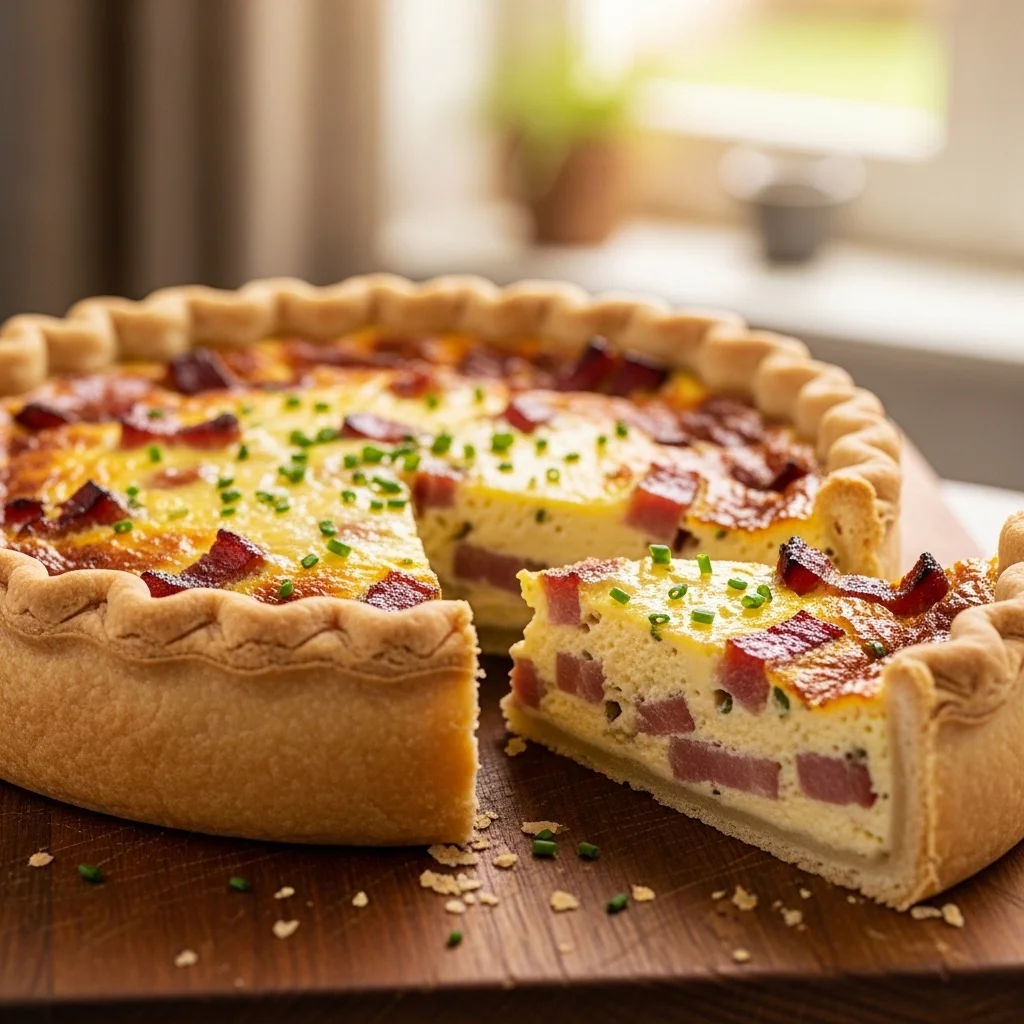
Quiche Lorraine
The original quiche from Lorraine contains only eggs, cream, and bacon in a buttery pastry shell. This technique creates a silky custard that’s both elegant and comforting.
Ingredients:
For the pastry:
- 200g plain flour
- 100g cold butter, cubed
- 1 egg yolk
- 2-3 tbsp cold water
- Pinch of salt
For the filling:
- 200g thick bacon, diced
- 4 large eggs
- 300ml heavy cream
- 100g Gruyère cheese, grated
- Pinch of nutmeg
- Salt and white pepper
Method:
Make pastry: Rub butter into flour and salt until resembles breadcrumbs. Add egg yolk and enough water to form dough. Wrap and chill 30 minutes.
Blind bake shell: Roll pastry and line 23cm tart tin. Line with parchment and baking beans. Bake at 200°C for 15 minutes, remove beans and paper, bake 5 minutes more.
Prepare bacon: Cook diced bacon until crispy but not hard. Drain on paper towels.
Make custard: Whisk eggs with cream, nutmeg, salt, and white pepper. The mixture should be smooth but not frothy.
Assemble quiche: Scatter bacon and half the cheese in pastry shell. Pour in custard mixture and top with remaining cheese.
Bake to perfection: Bake at 180°C for 25-30 minutes until just set in center and golden on top. A knife inserted should come out clean.
Cool before serving: Let cool 10 minutes before slicing. Serve warm or at room temperature.
Pro Tips:
Blind baking prevents soggy bottom. The custard should just set – don’t overbake or it becomes rubbery. Traditional Lorraine has no cheese, but Gruyère is now accepted
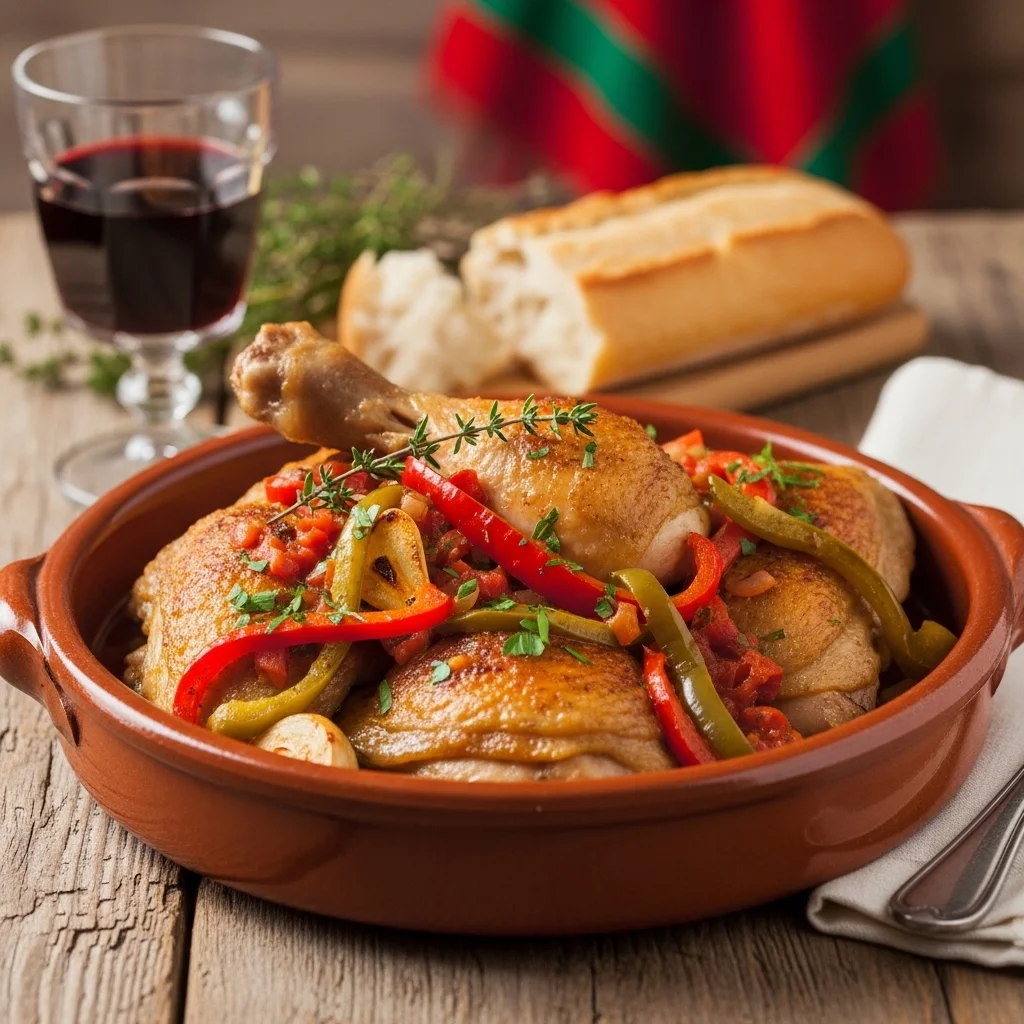
Poulet Basquaise (Basque-Style Chicken)
This vibrant dish from the Basque region combines French technique with Spanish flavors. The peppers and tomatoes create a colorful, flavorful sauce that’s both rustic and refined.
Ingredients:
- 1 whole chicken, cut into 8 pieces
- 3 bell peppers (mix of colors), sliced
- 4 large tomatoes, chopped
- 1 large onion, sliced
- 4 cloves garlic, minced
- 100g jambon de Bayonne or prosciutto, diced
- 2 tsp sweet paprika
- 1 tsp hot paprika (piment d’Espelette if available)
- 1/2 cup white wine
- 1/4 cup olive oil
- Fresh thyme and parsley
- Salt and pepper
Method:
Season and brown chicken: Season chicken pieces with salt, pepper, and sweet paprika. Brown in olive oil on all sides until golden. Remove and set aside.
Build pepper base: In same pan, cook sliced peppers until softened and lightly caramelized, about 12 minutes. This creates the dish’s signature sweetness.
Add aromatics: Add onions and cook until translucent. Add garlic and hot paprika, cooking until fragrant.
Create sauce: Add diced ham, tomatoes, and white wine. Cook until tomatoes break down and create thick sauce.
Braise together: Return chicken to pan, nestling pieces in pepper mixture. Cover and simmer 30-35 minutes until chicken is tender.
Adjust seasoning: Taste and adjust salt, pepper, and paprika. The sauce should be thick and coat the chicken.
Garnish and serve: Sprinkle with fresh herbs and serve with crusty bread or rice pilaf.
Pro Tips:
Don’t rush cooking the peppers – their caramelization is key to flavor. Use bone-in chicken for best results. The dish improves when made ahead and reheated.
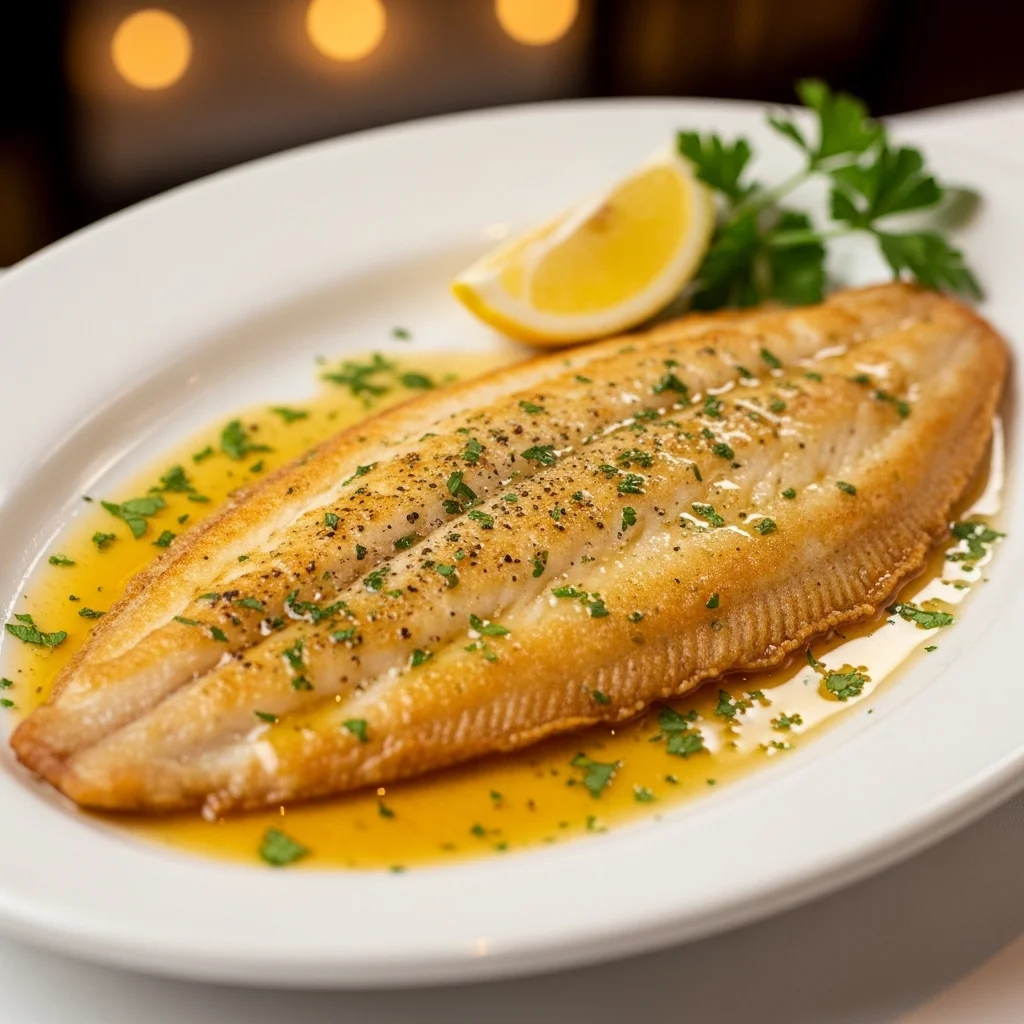
Sole Meunière
This classic preparation lets the delicate fish shine through simple technique and quality ingredients. The key is quick cooking and the traditional brown butter sauce that gives the dish its name.
Ingredients:
- 4 sole fillets (or other delicate white fish)
- 1/2 cup plain flour
- 100g butter
- 2 lemons (juice of 1, other cut in wedges)
- 2 tbsp fresh parsley, chopped
- Salt and white pepper
- 2 tbsp vegetable oil
Method:
Prepare the fish: Pat sole fillets completely dry and season with salt and white pepper. Moisture prevents proper browning.
Dredge lightly: Coat fish lightly in flour, shaking off excess. The flour creates a delicate crust.
Heat the pan: Heat oil in large skillet over medium-high heat until shimmering but not smoking.
Cook fish quickly: Cook sole 2-3 minutes per side until golden brown and fish flakes easily. Don’t overcook – it should be just opaque.
Remove and keep warm: Transfer fish to warm plates and cover loosely with foil.
Make brown butter: Wipe pan clean and add butter. Cook until it turns golden brown and smells nutty – this is beurre noisette.
Finish sauce: Add lemon juice and parsley to brown butter. It will sizzle and foam.
Serve immediately: Pour brown butter sauce over fish and serve with lemon wedges.
Pro Tips:
The butter should be golden brown, not black. Work quickly once fish is cooked – it continues cooking from residual heat. Serve immediately for best texture.
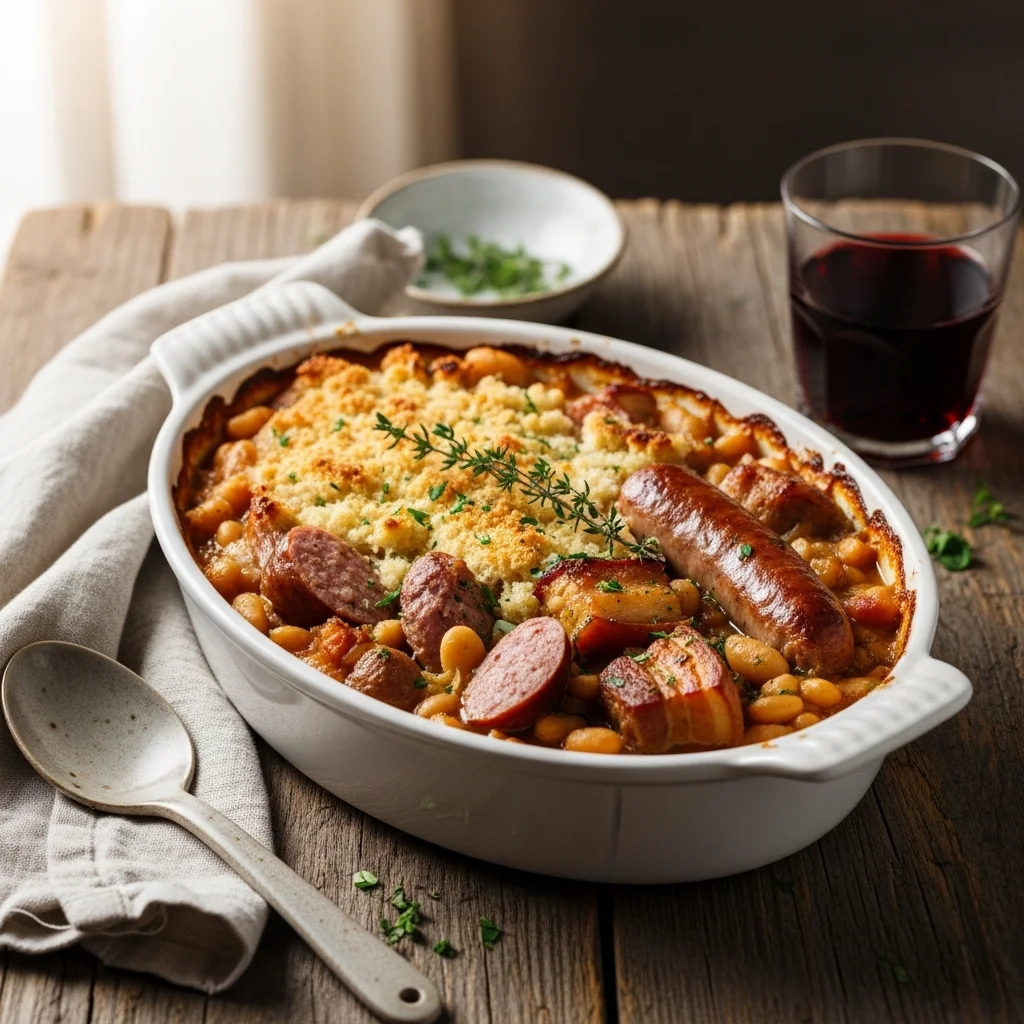
Cassoulet
This legendary dish from southwestern France is the ultimate comfort food – a slow-cooked casserole of beans and various meats that develops incredible depth through patient cooking.
Ingredients:
- 500g dried white beans (Tarbais or cannellini), soaked overnight
- 4 duck legs confit
- 300g Toulouse sausage, sliced
- 300g pork shoulder, cubed
- 200g thick bacon, diced
- 1 large onion, diced
- 4 cloves garlic, minced
- 400g canned tomatoes, chopped
- 2 cups duck or chicken stock
- 2 bay leaves
- 3 sprigs thyme
- 1 cup fresh breadcrumbs
- Salt and pepper
Method:
Cook beans partially: Drain soaked beans and simmer in fresh water with bay leaves for 45 minutes until just tender. Reserve cooking liquid.
Brown the meats: In large Dutch oven, brown duck legs, pork, and sausage separately. Remove and set aside.
Build flavor base: Cook bacon until crispy, then add onions and cook until softened. Add garlic and cook until fragrant.
Layer the cassoulet: Add tomatoes, partially cooked beans, and all meats to pot. Add enough stock and bean liquid to barely cover.
Slow cook: Cover and cook in 300°F oven for 2 hours. Check occasionally and add liquid if needed.
Create the crust: Remove lid, sprinkle with breadcrumbs, and cook uncovered 30 minutes until golden crust forms.
Break and reform crust: Gently break crust and let it reform 2-3 times during final cooking. This creates the traditional texture.
Pro Tips:
The beans should be creamy but hold their shape. Don’t let it dry out – add liquid as needed. The dish improves over several days of reheating.
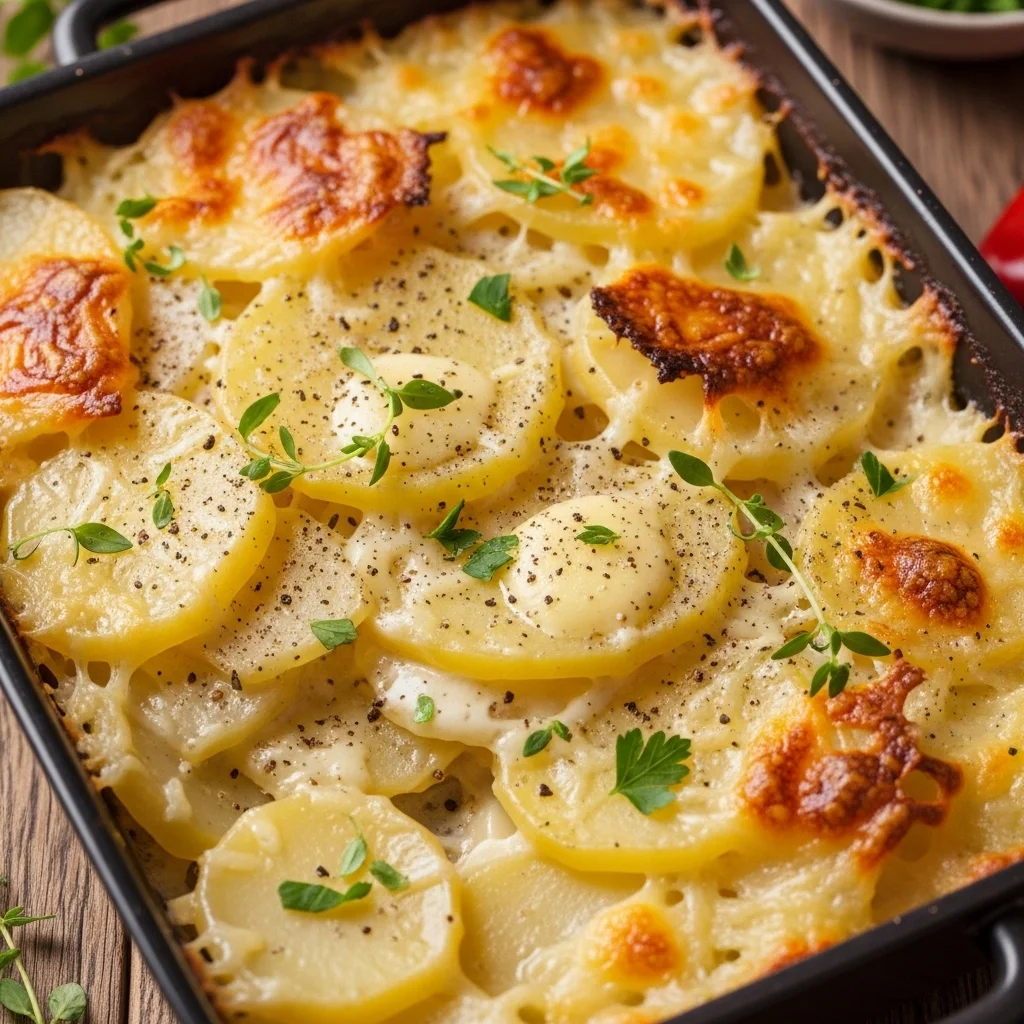
Gratin Dauphinois (Potato Gratin)
This luxurious potato dish from the Dauphiné region transforms simple potatoes into pure indulgence through cream, cheese, and careful layering technique.
Ingredients:
- 1.5 kg waxy potatoes (Charlotte or Yukon Gold)
- 500ml heavy cream
- 200ml whole milk
- 2 cloves garlic, minced
- 150g Gruyère cheese, grated
- Pinch of nutmeg
- Salt and white pepper
- Butter for greasing
Method:
Prepare potatoes: Peel and slice potatoes very thinly (2-3mm) using mandoline or sharp knife. Consistent thickness ensures even cooking.
Infuse cream: Heat cream and milk with garlic, nutmeg, salt, and pepper. Don’t boil – just warm to infuse flavors.
Layer carefully: Grease baking dish with butter. Layer potato slices, overlapping slightly, seasoning each layer.
Add cream mixture: Pour warm cream over potatoes, ensuring it reaches all layers. The liquid should just cover the top layer.
Add cheese: Sprinkle grated Gruyère evenly over top. This creates the golden, bubbly surface.
Bake slowly: Bake at 180°C for 1-1.5 hours until top is golden and potatoes are tender when pierced.
Rest before serving: Let stand 10 minutes before serving. This allows the cream to set slightly.
Pro Tips:
Use waxy potatoes that hold their shape. Don’t rinse sliced potatoes – the starch helps thicken the cream. Cover with foil if browning too quickly.
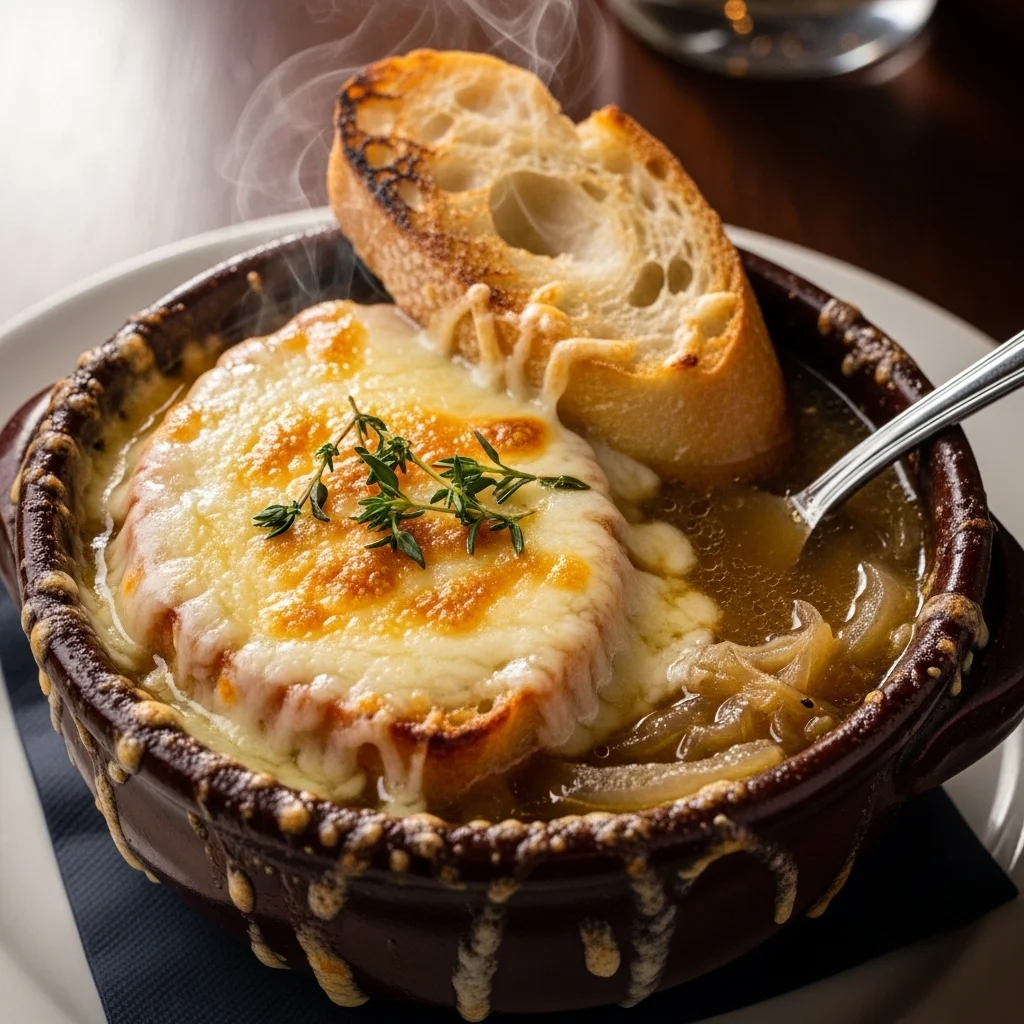
French Onion Soup
This Parisian bistro classic transforms humble onions into liquid gold through patient caramelization and proper technique. The contrast of sweet onions, rich broth, and melted cheese is pure comfort.
Ingredients:
- 6 large yellow onions, thinly sliced
- 6 cups beef stock
- 1/2 cup dry white wine
- 4 tbsp butter
- 2 tbsp olive oil
- 1 tsp sugar
- 1 tsp fresh thyme
- 2 bay leaves
- 6 slices baguette, toasted
- 200g Gruyère cheese, grated
- Salt and pepper
Method:
Caramelize onions slowly: Heat butter and oil in large pot. Add onions and cook very slowly, stirring occasionally, for 45-60 minutes until deep golden brown.
Add sugar: Sprinkle sugar over onions in final 10 minutes to help caramelization. They should be jammy and sweet.
Deglaze with wine: Add wine and scrape up browned bits. Cook until wine reduces by half.
Add stock and herbs: Pour in beef stock, add thyme and bay leaves. Simmer 20 minutes to meld flavors.
Season properly: Remove herbs and season with salt and pepper. The soup should be rich and deeply flavored.
Prepare for broiling: Ladle soup into oven-safe bowls. Top each with toasted baguette slice and generous amount of grated cheese.
Broil to golden: Broil until cheese is bubbly and golden brown, about 3-4 minutes. Serve immediately.
Pro Tips:
Don’t rush the onion caramelization – this is where the flavor develops. Use good beef stock for best results. The cheese should be golden and bubbly, not burnt.
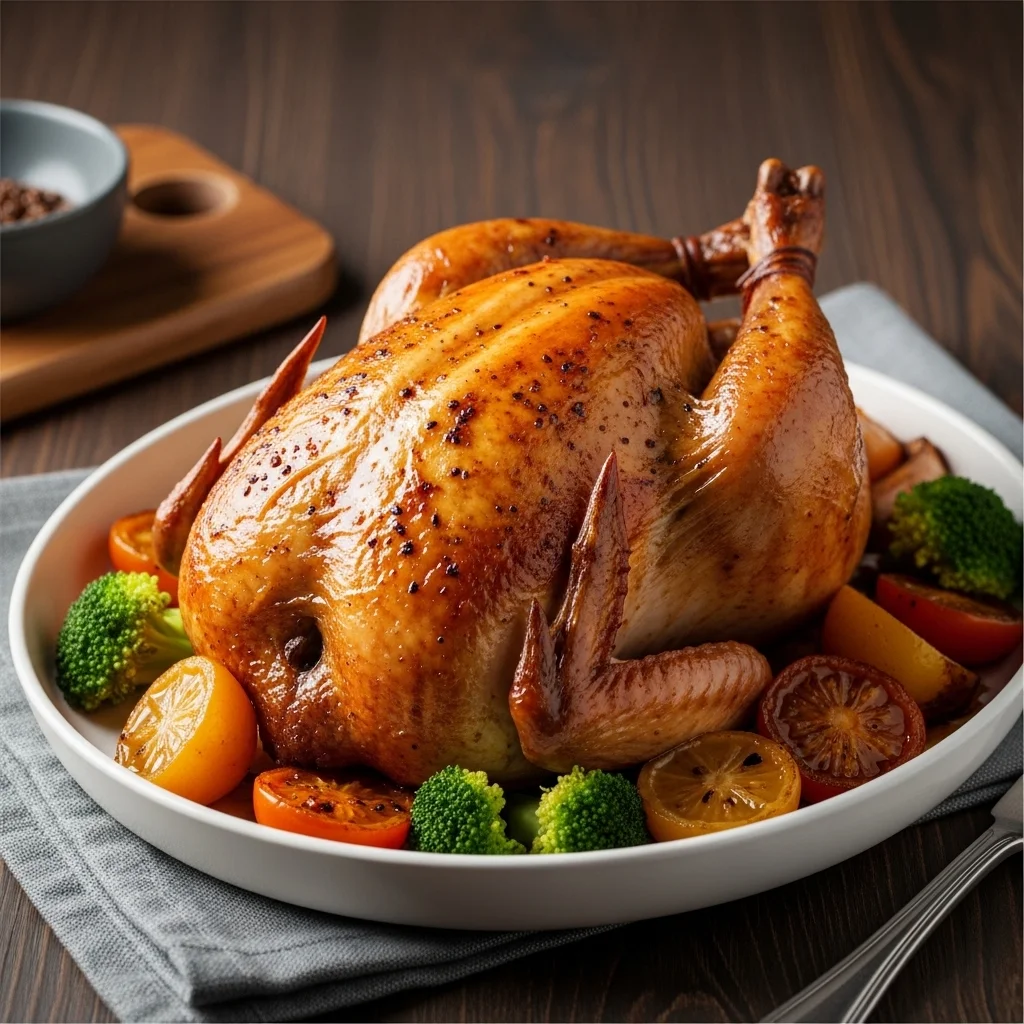
Poulet Rôti (Classic Roast Chicken)
The perfect roast chicken is a test of technique – achieving crispy skin while keeping meat moist. This simple preparation lets the chicken’s natural flavor shine through classic French seasonings.
Ingredients:
- 1 whole chicken (1.5-2 kg)
- 4 tbsp soft butter
- 2 cloves garlic, minced
- 2 tbsp fresh thyme leaves
- 1 lemon, halved
- 2 tbsp olive oil
- Root vegetables for roasting (optional)
- Salt and black pepper
Method:
Prepare herb butter: Mix soft butter with minced garlic, thyme, salt, and pepper. This will go under the skin.
Season under skin: Carefully loosen skin over breast and thighs. Spread herb butter under skin, massaging gently to distribute.
Stuff and truss: Place lemon halves in cavity. Truss chicken with kitchen string for even cooking.
Season outside: Rub skin with olive oil and season generously with salt and pepper.
Roast at high heat: Start at 220°C for 20 minutes to crisp skin, then reduce to 180°C and continue cooking 20 minutes per kg.
Check doneness: Internal temperature should reach 74°C in thickest part of thigh. Juices should run clear.
Rest before carving: Let rest 10-15 minutes before carving. This redistributes juices for moist meat.
Pro Tips:
Don’t skip the herb butter under the skin – it keeps meat moist and adds flavor. High initial heat creates crispy skin. Always rest before carving.
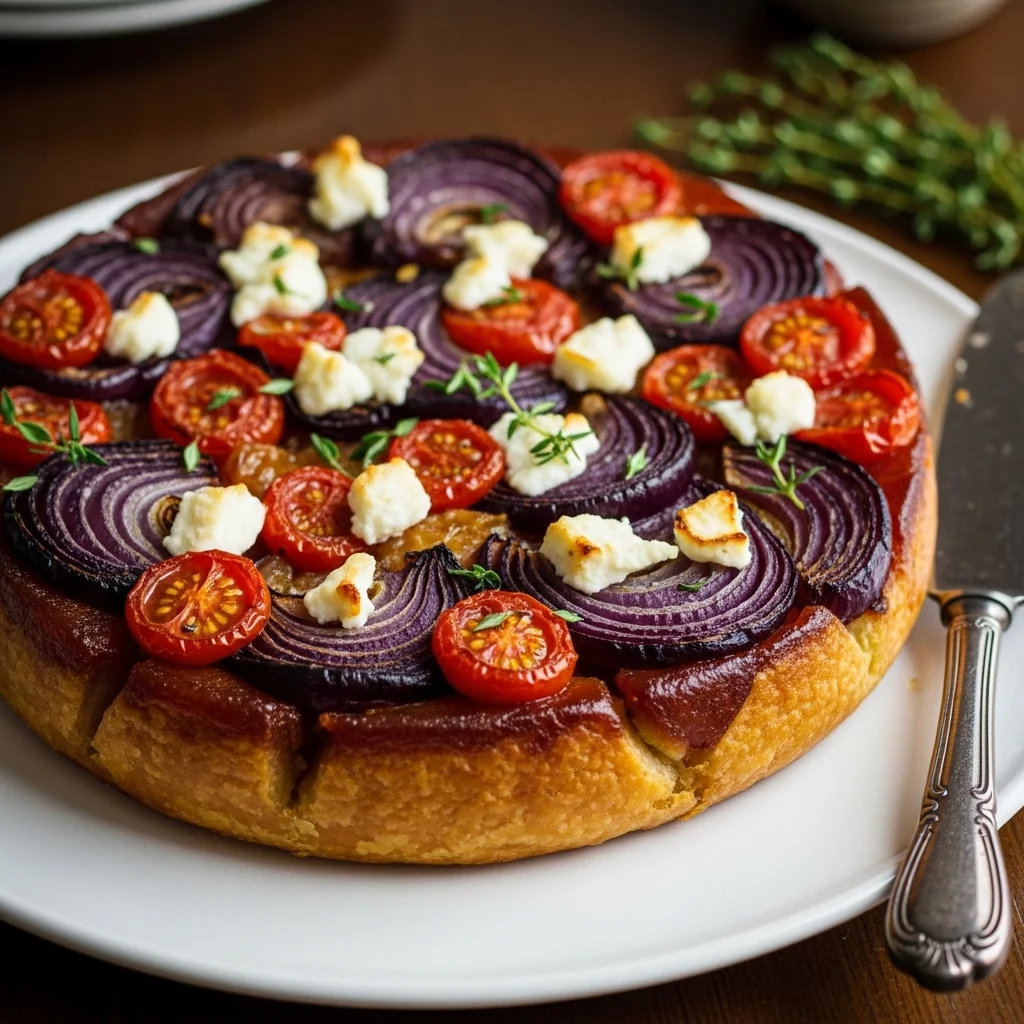
Tarte Tatin (Savory Version)
This upside-down tart technique works beautifully with vegetables, creating caramelized flavors and dramatic presentation. The key is proper caramelization and using the right pan.
Ingredients:
- 300g puff pastry
- 6 large tomatoes, halved
- 2 red onions, quartered
- 2 tbsp balsamic vinegar
- 2 tbsp brown sugar
- 3 tbsp olive oil
- 2 tbsp fresh thyme
- 100g goat cheese, crumbled
- Salt and pepper
Method:
Prepare vegetables: Cut tomatoes in half and season with salt. Let drain 30 minutes to remove excess moisture.
Make caramel base: In oven-safe skillet, heat sugar until it caramelizes to golden brown. Add balsamic vinegar carefully.
Arrange vegetables: Place tomato halves cut-side down in caramel. Fill spaces with onion quarters. Drizzle with olive oil and sprinkle with thyme.
Cook vegetables: Cook on stovetop for 10 minutes until vegetables start to caramelize and soften.
Top with pastry: Roll puff pastry slightly larger than pan. Place over vegetables, tucking edges down inside pan.
Bake until golden: Bake at 200°C for 25-30 minutes until pastry is golden brown and puffed.
Invert carefully: Let cool for 5 minutes, then run knife around edges and invert onto a serving plate. Add goat cheese crumbles.
Pro Tips:
Don’t skip draining the tomatoes – excess moisture prevents proper caramelization. Work quickly when inverting while still warm. Serve immediately for best texture.
See Also: Versatile Sauce Recipes